

VEMC-Blogs

How Commercial Solar Can Become The Essence Of Businesses

If you own a business, you are probably familiar with rising electricity costs. Switching to solar energy offers many benefits that can help you override ride. Let’s look at some of the advantages that commercial solar can provide to your business:

Reduce Overhead Costs 

A huge benefit of installing solar is the resulting elimination of overhead costs of energy. On average, you can save about three-quarters of your electric energy costs by making this transition. Moreover, you will have access to a consistent energy supply that is clean and reliable.

Sustainability and Longevity 

In the years to come, industries will be steadily less dependent on costly fossil fuels due to more regulations on emissions from petrol and coal. Clean and green energy that is environmentally sustainable will be the order of the day. You can make the switch to renewable solar energy and reap the benefits from now.

Energy Independence

Changing to solar energy also gives you independence from commercial sources of electricity, so despite what happens to the grid, you can avail of your own supply whenever you need it. Power failures and other contingencies that cause downtime will no longer be an issue. With solar power, you can also choose to store electricity through a battery system. This will give you a backup source of power during the night or in low light.

Tax Benefits

Governments tend to provide enormous tax rebates and financial aid for businesses using renewable energy. This can be a huge relief and cut down on your overall costs substantially. Look up what the regulations in your state or country are, and make a decision accordingly.

Long-term Financial and Environmental Returns 

Although the cost of solar panel installation may seem high at the outset, it is an investment that yields exponential benefits over the long run. Be it financial or environmental, costs keep declining significantly in the coming years when you choose to use solar energy. In this regard, solar power provides very high returns on investment while keeping your business sustainable in the long term. What’s more, more and more consumers are leaning toward brands with green practices, so this can boost your brand image too.   

You can consult an expert in solar power installation among the top solar companies in Mumbai to ensure a smooth installation.

VEMC is a well-established solar power plant company and a pioneer in the field of electromechanical engineering products, allied equipment, and services. VEMCO Solar is a market leader in solar solutions — be it solar plant erection, procurement, commissioning, net metering, or electrical connections. If you have any requirements in this space, please reach out to us at +91 98199 07445, and we will be happy to provide you with customized support and services.

Unveiling the Taloja APOEM

Unveiling the Taloja APOEM

VEMC is thrilled to announce that the Taloja APOEM (Applied Pump Original Equipment Manufacturer) pump testing facility is all set to begin manufacturing and testing the pumps in accordance with industry standards.

Let’s take a look at what is in store:

The APOEM testing unit consists of pump assembling, alignment, and dismantling units. The components of the pump are put together during the pump assembly process. And during the alignment procedure, the pump components are brought into an alignment. It is during the dismantling procedure that the components of the pump are separated.

At the pump testing platform, the pumps must be tested after complete assembly in order to evaluate their performance properly. VEMC performs pump testing on a state-of-the-art testbed that was specially designed to meet the requirements of the pump OEM market.

The Lathe machine is used to rotate a pump to perform various operations such as turning, facing, knurling, grooving, and other movements.

Further, the vertical dynamic balancing machine helps to do the impeller balancing and trimming tasks according to the reading. It balances the unbalanced impeller and grinds the unbalanced part.

At the pump paint booth, the pumps are painted in the standard colours of red or blue using the spray painting method. After they have dried, the DFT of the paint is checked as a part of the final inspection.

The newly painted pumps are then packaged in a corrugated box, loaded in a lorry, and prepared to be sent to the customer.

We have planned each activity meticulously. We’ve also established Standard Operating Procedures as the guidelines to be followed while carrying out each task, in order to ensure optimal performance and safety.

VEMC is ISO 9001:2015 certified and a pioneer in the field of electromechanical engineering products, allied equipment, and services. We are a well-established industry leader and have been authorized Kirloskar pump dealers since 1950.

Today, we are excited to offer you an extensive range of state-of-the-art products and services. These include physical pump inspection, assembly, witness testing, performance assurance, and more. With decades of industry experience, we guarantee you superior services with shorter delivery times post dispatch.

We continue to provide you with top-quality products and services and hope to strengthen the trust you built in us.

Methods, Tips & Precautions for Construction Dewatering

Dewatering is the removal of water, where it is drained out by pumping from a particular location. Basically, dewatering provides a dry foundation to work on by reducing the ground water table of the site. Whether you are constructing, running sand, or repairing sewers, dams, buildings, tunnels, or a basement, dewatering can prove very useful.

Choosing the right method for your project is very important. There are four main methods of dewatering — the well point method, eductor wells, open slump pumping, and deep well point method. Let’s take a look at them.

Well Point Method

In the well point method, the groundwater is channelled by the pump through the header pipe before getting discharged. This is a fairly, flexible and cost effective method under a wide variety of soil conditions.

Educator Well

This dewatering method is a lot like the well point system, but instead of a vacuum, high-pressure water is used to draw water into the well points. This method can be an effective in soils that are less permeable.

Open Slump Pumping

In the open slump pumping method, slumps and drains are constructed at one or more points of the excavated pit. These then collect the groundwater. This is one of the most convenient and cost-efficient methods.

Deep Well Point Method

The deep well point method is appropriate for a deep excavation when a large amount of groundwater needs to be removed.

Precautions to Take in Dewatering

  • Make sure to conduct the process under special supervision and look out for any signs of instability or soil erosion.
  • Do not pump the water directly into slopes.
  • Used a wooded buffer if you can.
  • Choose an appropriate area to discharge the water, ideally a forest buffer zone.
  • Ensure that the channels used for dewatering are stable and covered by vegetation or grass if possible.
  • Avoid dewatering during heavy rains.
  • When removing water that is contaminated with chemicals, grease or oil, do not discharge it directly. Use an oil-water separator before disposal.
  • Make sure you have all the relevant permits and licenses for dewatering before discharging water.
  • Check and verify the state of the water table at the location of dewatering. If it is too close to the surface, the plan may not work.

VEMC, a Kirloskar authorised dealer in India, supplies industrial water pumps in Mumbai for different industrial applications. We offer a diverse range of pumping solutions including water pumps. For more information on our products and assistance selecting the right ones for you, please reach out to us at +91 98199 07445. VEMC is ISO 9001:2015 certified and a pioneer in the field of electromechanical engineering products, allied equipment, and services.
Opt For Kirloskar Industrial Valves – Quality Matters!

Industrial valves are a critical part of the process industries used to regulate the flow of the media within the system. They are designed with the sole purpose of controlling the inflow and outflow of water, powder or slurries within the system. There are various types of valves available even for isolating the flow and diverting the flow. These valves are categorised based on the specific need of the industry. Whatever the need is, it is ultimately the quality that matters when it comes to industrial valves. Since the presence of an industrial valve can prove to be of great use, it becomes important to find valves of the finest quality suiting your purpose. Kirloskar valves have stood the test of time and have been regarded as the best across different industrial segments. Let’s look at why Kirloskar valves are top-rated.

Why choose Kirloskar valves?

  • Variety of options to choose from

There are a wide variety of valves available ranging from 50 mm to 400 mm depending upon their application in the industry. While ball valves and gate valves are used mainly for isolating the flow, globe valves are designed for flow control. Kirloskar offers a vast portfolio of industrial valves catering to every purpose.

  • Manufactured in accordance with national and international standards

These valves are designed in line with the best-in-class standard regulatory guidelines. This guarantees the safety of the product in its application without loss of life or damage to property. Backed by ISO 9001 certification, it is better placed in terms of quality assurance and safety.

  • Suited for every industry

These valves are quite versatile and are built to perform various functions based on the demand of the industries. It is used in diverse industries including water and sewage treatment, mining, electricity production, agricultural irrigation, oil, gas, and petroleum processing, food processing, chemical and plastic manufacture, and many more. Kirloskar valves are known to meet every set of requirement of these industries.

  • Customised as per your need

Customisation is possible with Kirloskar valves which makes it a valuable asset for industries. These valves can be manufactured in both cast iron as well as cast steel on the basis of particular requirements. The functional design of these industrial valves can change and be tailored to the needs of the customer.

  • Top manufacturer of all kinds of valves

Kirloskar is amongst the leading manufacturers of industrial valves with a large product line. It has consistently been at the forefront of research and innovation with years of experience in the designing and manufacturing of fluid management systems. Trusted by many across the globe, Kirloskar is considered to be a world-class manufacturer of industrial valves.

VEMC is an authorized Kirloskar butterfly valve dealer. For more information on industrial valves or any of our products, please contact us at +91 98199 07445. We would be happy to assist you in finding the right products and services based on your requirements. As one of the leading valve dealers in the country, VEMC provides seamless end-to-end services to its clients. VEMC is ISO 9001:2015 certified and a pioneer in the field of electromechanical engineering products, allied equipment, and services.

What Type Of Oil Should You Put In Your Commercial Screw Compressor?

Just as parts of your car and other appliances need to be lubricated in order to perform properly, so does your air compressor. But how can you tell what kind of oil is suitable for your air compressor, particularly a commercial screw compressor? To understand this, let’s first take a look at the role of air compressor oil.

Air compressor oil is a lubricant that helps to reduce the early wear and tear of air compressors. It can either be synthetic or natural and varies in characteristics like makeup and viscosity. It is important to note that air compressor oil is different from motor oil. For one, the latter contains detergent and much more carbon and sulfur.

Apart from lubrication, the benefits of using air compressor oil are many:

1. Absorbs heat

The oil keeps the air compressor at a cooler temperature by soaking in the heat that is emitted.

2. Resisting oxidation

The additives present in air compressor oil help keep the oxidation and acid formation processes at bay.

3. Improves longevity

The additives in air compressor oil also play a role in lengthening its shelf life, keeping the components of the machine protected when in standby mode, and increasing the compatibility of the oil with various conditions.

4. Stands up to the cold

Air compressor oil remains viscous even in cool temperatures, unlike many other lubricants.

The two main types of air compressor oil are standard and synthetic

  1. The standard type of air compressor oil contains a mineral oil base. This makes it cheaper than synthetic and is advisable for light or medium-duty and those who need not use their compressors continuously.
  2. On the other hand, synthetic air compressor oil contains a heavily processed and refined synthetic base. As a professional who runs an air compressor more than thrice a week, this is a suitable option for you. What’s more, synthetic oil keeps the air compressor functioning smoothly and with little to no noise. It also does a good job of preventing it from overheating.

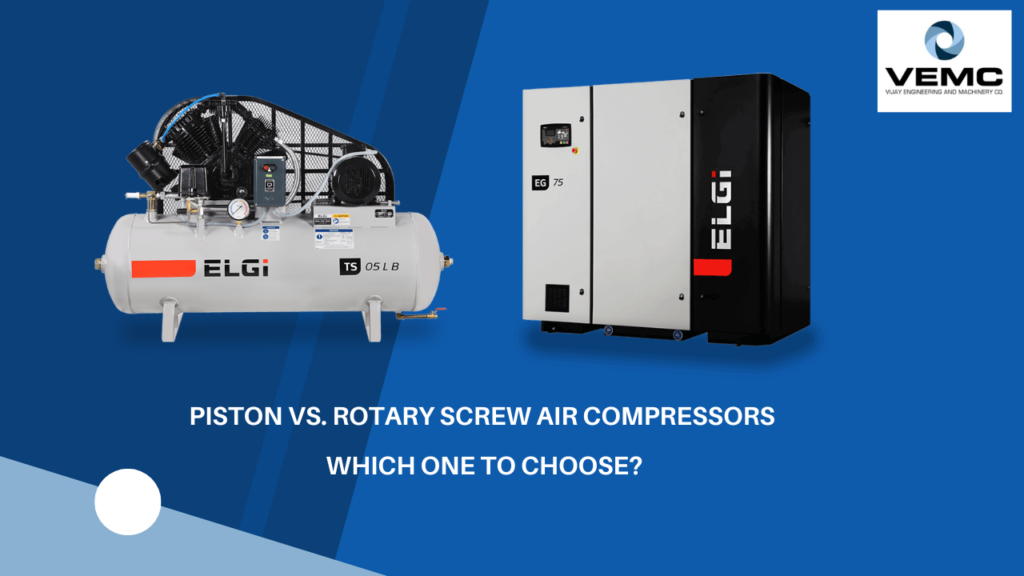
For commercial screw compressors, it is best to use synthetic oil. These do not contain additives or sulfur that can often produce an unwanted buildup on the valves. They are also consumed at a slower rate than the standard kind, help to prolong the life span of the compressor, and stay cooler during operations. What’s more, they create fewer deposits of sludge and carbon that can adversely affect the performance of the machine, and produce air discharge at lower temperatures than standard oil. Synthetic oil also makes for safer operating conditions as its ignition temperatures are much higher than standard oil.

Suffice to say, synthetic oil is the best choice to keep your commercial screw compressor performing optimally.

ELGi Air Lube Oil provides an effective solution to suit various applications and work environments. You can choose this carefully formulated oil as a reliable way to meet your needs in different operating conditions.

VEMC is an authorized dealer of Elgi air compressors and provides end-to-end solutions for all your industrial energy requirements. Guided by more than 72 years of industry expertise, we aim to offer you specialized support in this space. VEMC is ISO 9001:2015 certified and a pioneer in the field of electromechanical engineering products, allied equipment, and services. Please feel free to contact us at +91 98199 07445, and we will be happy to assist you.
The Significance Of Remote Monitoring Of Solar Plants & VEMC Solar’s Cutting-Edge Technology Offering

For a solar plant to run smoothly and give you its best output, it is important to monitor it properly. The system needs to be adequately equipped to work effectively. Excessive shade, dust or dirt, and damage to its parts can take away from this, and you need to make sure that such issues are identified before they become severe. Watching the solar system carefully helps prevent these issues from affecting its functioning. Essentially, the solar power plant needs to be supervised to detect a breakdown and optimize its overall operation.

A remote solar monitoring system can analyze how much energy the solar plant is consuming and generating, optimize energy consumption and several parameters of performance, and supervise the overall operation and maintenance of the parts of the solar plant. Solar inverters send out information about the solar system’s performance, and the remote monitoring system uses this data to interpret how well the solar plant is working.

There are several benefits to leveraging a remote monitoring system for your solar plant. You do not need to station someone physically at the site and subsequently, save labour and other operational costs (OPEX). You can also access the information provided by the remote monitoring system on any device such as smart phones and desktops. It is convenient, and the Covid-19 pandemic especially highlighted the importance of a good remote monitoring system for your solar plant. During a government-mandated lockdown, there is no possibility of deploying more people at your work site. However, it remains crucial to select a remote monitoring solution properly before adopting it.

VEMC Solar provides a cutting-edge solution when it comes to remote monitoring for your solar plant. It uses Internet-of-Things and weather sensors to conduct a thorough examination of your system. As well, it checks the peripheral parts related to the WMS system for any damage to ensure its proper functioning. It allows you to keep the cleanable parts of the WMS free of dirt. What’s more, it enables you to check all the connections well to prevent wire or power cuts.

VEMC’s remote monitoring solution offers a hassle-free way to manage your solar plant from afar and help keep it functioning in pristine conditions. An efficient remote monitoring system is a good investment to maintain a high performance ratio, avoid unnecessary breakdowns, and keep your business running smoothly.

VEMC is a well-established solar services company that provides comprehensive project management services to its clients. We are ISO 9001:2015 certified and a pioneer in the field of electromechanical engineering products, allied equipment, and services. For more information on our products, feel free to contact us at +91 98199 07445. We would be happy to assist you in finding the best match, based on your requirements.

Redefining the Value of Solar Energy for Businesses Post-Pandemic

As India continues to make headlines for housing a staggering 17 of the 20 most polluted cities in the world, switching to using renewable solar energy as the predominant source of fuel gains more and more prominence. Although electric vehicles are gaining in popularity on Indian roads, it may be a while before this becomes the mainstream practice in the country. The government is working on creating and implementing more sustainable policies that industries will need to adhere to in order to reduce carbon emissions and pollution.

How manufacturing Industries can reduce their cost of operations post  Lockdown through Solar energy at zero cost??? | Solar Panel Installation  Company in Mumbai | Visol India

Lower costs as many businesses suffered losses during the pandemic

Adopting cleaner renewable energy like solar has become even more relevant since the Covid-19 pandemic. The long-term costs of energy sources like wind and solar are significantly lower than fossil fuels and could benefit businesses that have suffered losses brought about by the pandemic. India is an extremely price-sensitive region so this is a major factor to keep in mind. What’s more, tariffs have fallen drastically since 2010, so it would make sense for industries to adopt solar energy on a wider scale in a bid to combat the effects of climate change. Although certain factors like a cutback on trade with Chinese factories have driven up the price of solar photovoltaic (PV) modules slightly, this is only temporary and not very likely to last in the long term. In fact, solar still remains the cheaper option for industrial and commercial businesses. What’s more, innovative technology in this regard continues to advance rapidly, signalling a further reduction in costs.

Catering to environmentally conscious customers

Additionally, the conversation around sustainability and renewable energy has extended into the realms of regular consumers today who are much more conscious of the choices they make when it comes to environmental responsibility. More and more consumers are leaning towards brands and businesses that adopt renewable energy and cleaner environmental practices. Even at home, many people are looking to install solar panels on their rooftops for greater financial savings in the long term, as well as having the satisfaction of making a more responsible choice.

Creation of jobs

The creation of employment opportunities is another key factor for corporations and the government to consider switching to solar energy as a prevalent practice. The growth of the solar energy sector has provided a minimum of 50 jobs per 1 to 2 MW of solar installations.

Climate change crisis and the need for renewable energy

As the climate change crisis takes a bigger toll internationally, there is pressure on all countries to make greater efforts to reduce their carbon emissions to protect the environment for future generations. The government is looking for ways to incentivize the adoption of solar energy, which means that there is likely to be a further decrease in costs and an increase in financial and social benefits for both consumers and businesses. This is also resulting in more awareness of the topic, with more parties willing to conserve the planet and contribute to a greener future. Indeed, switching to solar energy is an easy way to do this.

VEMC is a well-established solar power plant company and a pioneer in the field of electromechanical engineering products, allied equipment, and services. VEMCO Solar is among the top solar companies in Mumbai and a market leader in solar solutions — be it solar plant erection, procurement, commissioning, net metering, or electrical connections. If you have any requirements in this space, please reach out to us at 022-43436655 or marketing@vemc.co.in, and we will be happy to provide you with customized support and services.
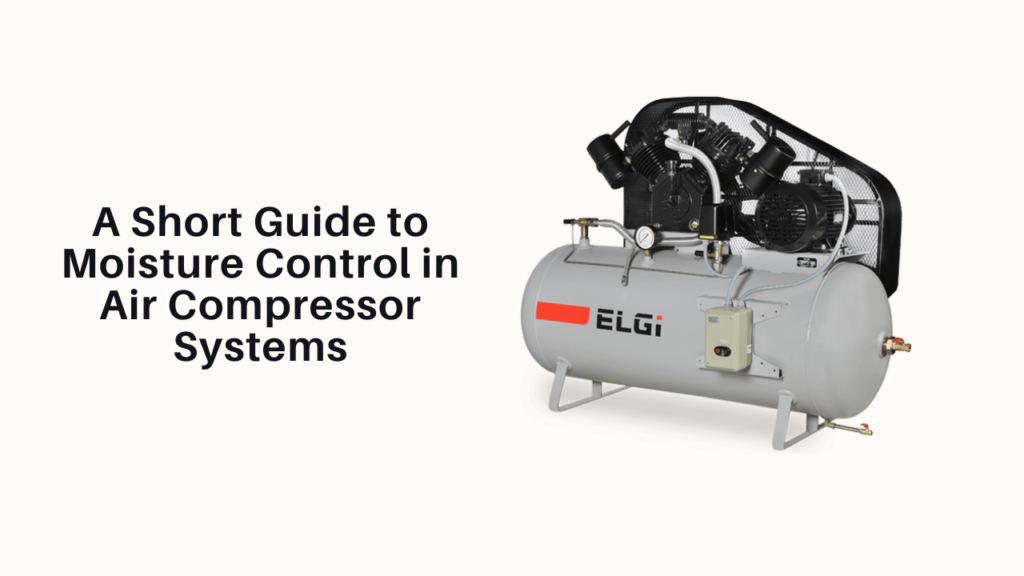
Watering VS Dewatering Pumps: The Basics

What is a water pump?

Water pumps are mechanical devices used mainly to transfer water from one place to another through a motor converting rotational or kinetic energy into hydrodynamic energy (for fluid flow).

Water pumps usually have three primary parts. These are an inlet, a pump system, and an outlet.

The water gets drawn into the pump from the inlet side when a difference in pressure forms within the pump system. The water is led from an area of high pressure to an area of low pressure, which is then used to move the water to the side of the outlet through the pump, then into a hose, and finally towards the water tank.

What are the uses of a water pump?

Applications of a water pump range from irrigation in agricultural farming systems to water extraction in construction sites. They can also be used in supplying water to residential, commercial, or industrial sites.

What is a dewatering pump?

A dewatering centrifugal pump, just like the name implies, is mainly used to remove water from a particular place and move it to another location.

A dewatering centrifugal pump functions just as any other pump does. It uses an impeller with a blade to begin and continue the movement of the water. The water goes into a smaller part of the impeller called the impeller eye. The flow of the water is then collected from there and directed to the diffuser, which is a conical-shaped discharge nozzle. This is when the velocity of the water is reduced and the energy of the water flow is changed to pressure energy.

After the process described above, the water is then removed from the pump at an angle of 7 to 10 degrees for optimal efficiency. This is the stage of dewatering. To help this process along, mostly an electric motor is used. However, some pumps may use different types of motors.

What are the uses of a dewatering pump?

A dewatering pump finds several applications across various industries including construction, mining, mills, and municipal operations. Any place that needs to be kept dry and clean, such as roads and worksites, will benefit from having a dewatering pump to work smoothly with. During the monsoon season especially, a dewatering pump comes in extremely handy thanks to its effective flood control, groundwater removal, inland wastewater management, and prompt drainage functions.

For more information on industrial pumps, motors, and other equipment, feel free to contact us at +91 98199 07445. We would be glad to assist you in finding the best match for you based on your requirements. VEMC is an authorized dealer of both Kirloskar watering and dewatering pumps and provides end-to-end project management services to its clients. We are ISO 9001:2015 certified and a pioneer in the field of electromechanical engineering products, allied equipment, and services. For inquiries, contact us at marketing@vemc.co.in.

How Can Storage Enhance Your Solar Rooftop Project?

How Can Storage Enhance Your Solar Rooftop Project?

Although the benefits of switching to a more sustainable renewable energy like solar are quite well known in India by now, what is less talked about are the virtues of storing solar energy for use in the future. Despite the cost of energy storage sometimes continuing to be a barrier, such as in the case of using Li-Ion batteries for the purpose, there can also be commercial benefits to the practice.

You can meet all your energy needs completely with solar storage

In a state where tariff rates are high, it would make sense for a factory using solar energy to maintain the solar capacity below the contract demand. If 20 to 50 percent of the total energy requirement can be met by consuming energy generated by the rooftop solar installation, the entire 100 percent can be met by combining both this as well as the energy storage to keep it cost-efficient even at peak hours of usage like the afternoons and evenings.

You can increase financial savings significantly

Storing solar energy for later use can reap 20 to 30 percent in financial savings for clients. What’s more, this can be provided in the OPEX financial model too. For those clients that are unable to install more than 1MWp of solar panels through net metering, adding a solar energy storage component with battery storage can make up for it.

Ramp up/down demands for thermal power can become more gradual

Solar capacity firming is a concept where a solar installation is operated along with a thermal power plant. The fluctuations in solar energy output call for abrupt changes in balancing the demand for thermal power. Not only does this put pressure on the thermal power plant and result in inefficiency, it can also incur penalties or a higher tariff. By storing energy, this can be smoothened out and prevented.

A solution for industries using batch production

For industrial applications which require batch processes to be run with an online UPS, solar energy storage provides an alternative solution. Additionally, it can even be stacked up for several different applications even without using solar.

Cleaner and cheaper alternative to diesel generators

Storing solar energy is a far more efficient and sustainable solution than using conventional diesel generators which can cause pollution and drive up carbon footprint.

With rapidly improving technology and gradually reducing costs, solar energy storage can become the predominant solution across industries in the near future.

VEMC is a well-established solar services company that provides comprehensive project management services to its clients. We are ISO 9001:2015 certified and a pioneer in the field of electromechanical engineering products, allied equipment, and services. For inquiries, contact us at +919819907445.
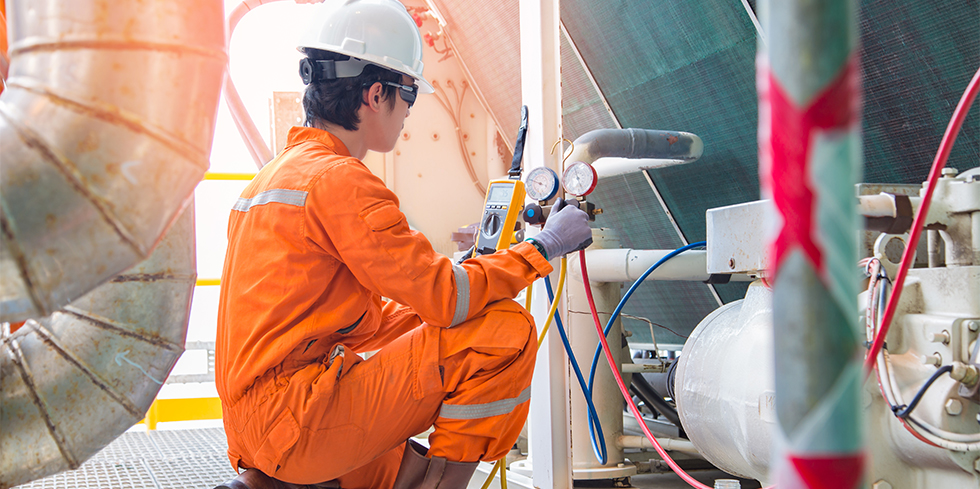
How Autoprime Dewatering Pumps Come to the Rescue During Floods

With the monsoon season come heavy rains and more often than not, the likelihood of flooding. An industrial, construction, or manufacturing site becomes particularly vulnerable to the effects of flooding, as pits and crevices in the local area get clogged and waterlogged from the constant rains pouring down into them. If your factory or site faces similar problems in rainy weather, you will be all too familiar with such a scenario. High downtime and damages caused by flooding can set you back for hours, prove costly, and lead to unnecessary losses in revenue. This is where an autoprime dewatering pump can be a saviour and take care of the issues brought on by rain and flooding. Let’s take a look at how it does this.

An autoprime dewatering pump is mainly used to remove water from a particular place and transfer it to another one. It has multiple uses across industries including construction, mining, mills, and municipal operations. In fact, any site that needs to be kept clean and dry like streets and worksites will benefit from having an autoprime dewatering pump to help keep it so. Thanks to its effective flood control, inland wastewater management, prompt drainage functions, and self-priming attributes, an autoprime dewatering pump truly comes to your rescue in the thick of the monsoon.

What is an autoprime dewatering pump?

How can an autoprime dewatering pump help in draining flood water?

Smart autoprime pumps are specially designed to provide a quick dewatering solution for flooded areas. They are portable and at the same time, high-performing. In times of dangerous levels of flooding, the autoprime pump comes to the rescue by restoring functionality and ensuring that the flooding does not hamper regular activities nor put a hold on people’s lives. The autoprime dewatering pump is also suited for pumping large volumes of water, raw sewage, and industrial wastewater.

An autoprime pump can provide a safe, efficient, and cost-effective solution for pumping larger liquid volumes. It is portable, simple to use, sturdy, and ideal for pumping water when suction is difficult. It can also be used to pump a variety of liquids (of different viscosities) apart from water.

All in all, the advantages of an auto prime pump include ease of use, high efficiency, cost-effectiveness, protection from flooding and similar emergencies, portability and reliability.

What are all the applications of an autoprime pump?

Autoprime dewatering pumps have a wide array of applications including groundwater control, wellpoint dewatering, sewage over pumping, flood relief, pipe relining, mine dewatering, industrial sludge pumping, tank sediment clearing, marine ballasting, and emergency dewatering services.

For more information on industrial pumps, motors, and other equipment, please contact us at +91 98199 07445. We would be glad to help you find the best match for you based on your requirements. VEMC is a Kirloskar authorised dealer and provides complete project management services to its clients. We are ISO 9001:2015 certified and a pioneer in the field of electromechanical engineering products, allied equipment, and services.
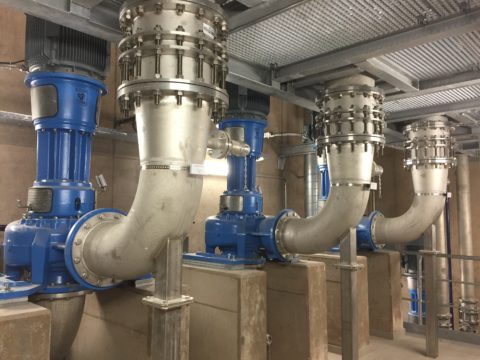
The Dewatering Pumps That Are Recommended to Keep Your Monsoon Problems at Bay

In the monsoon, industrial sites are susceptible to clogging and waterlogging from the rain and floods. This can impede functioning, lead to unnecessarily prolonged downtime, and cause you to incur heavy losses which could have been easily prevented. Dewatering pumps prove to be a boon, especially in such times. They are the answer to all your problems that the inclement weather during this season brings. There are several kinds of dewatering pumps that are available today. So how can you select the correct dewatering pump for your needs? Let’s take a look at different types of dewatering pumps and their benefits to get a better idea.

Self Priming pumps

As the name suggests, a self-priming pump has a special built-in mechanism that enables it to prime itself without manual intervention. They also come with a flood-control feature for quick dewatering and wastewater management. They can be used for frequent pumping operations and use less power and time to run than other centrifugal pumps. They are safe to operate and are the perfect choice for the monsoon.

Eterna CW/BW series

Buy Kirloskar Sewage Cutter Pump Eterna 750 CW (1 HP) Online in India at  Best Prices

The Eterna CW/BW series of sewage dewatering submersible pumps are another great option. They can remove stagnant water from the basement, underground parking, and garages. These pumps drain accumulated stormwater during the monsoons, empty water tanks and pits, and remove wastewater from kitchens, hotels, clubs, and surplus water from sumps.

Auto prime pumps

An auto prime pump can provide a safe, efficient, and cost-effective solution for pumping larger liquid volumes. It is portable, simple to use, sturdy, and ideal for pumping water when suction is difficult. It can also be used to pump a variety of liquids (of different viscosities) apart from water, such as slurry. Auto prime pumps are useful in a vast variety of ways such as in groundwater control, sewage over-pumping, wellpoint dewatering, flood relief, mine dewatering, pipe relining, industrial sludge pumping, marine ballasting, tank sediment clearing, and emergency dewatering services.

Cutter pumps

6-39 M Kirloskar cutter pump, Max Flow Rate: 18000 Lph, Model Name/Number:  Cwc Series, Rs 45000/piece | ID: 21528115048

Cutter pumps are designed to process heavy industrial waste and raw sewage material and to classify general wastewater types. The way they have been built eliminates any chances of clogging that is usually caused by oversized particles and objects like plastic bottles, aluminium cans, ropes, cables, fabrics, and all flushable products.

Cutter pumps can be used to drain sewage and wastewater from buildings and kitchens, and to move sewage and wastewater between water treatment facilities of factories and commercial sites.

At VEMC, we provide all the above types of dewatering pumps, so you can take your pick from any series that suits your requirements best for the monsoon season.

For more information on industrial pumps, motors, and other equipment, contact VEMC at +91 98199 07445. We would be glad to provide customized support for your requirements. We are well-established industrial water pumps dealers in Mumbai who deliver end-to-end project management services to our clients. VEMC is ISO 9001:2015 certified and a pioneer in the field of electromechanical engineering products, allied equipment, and services.
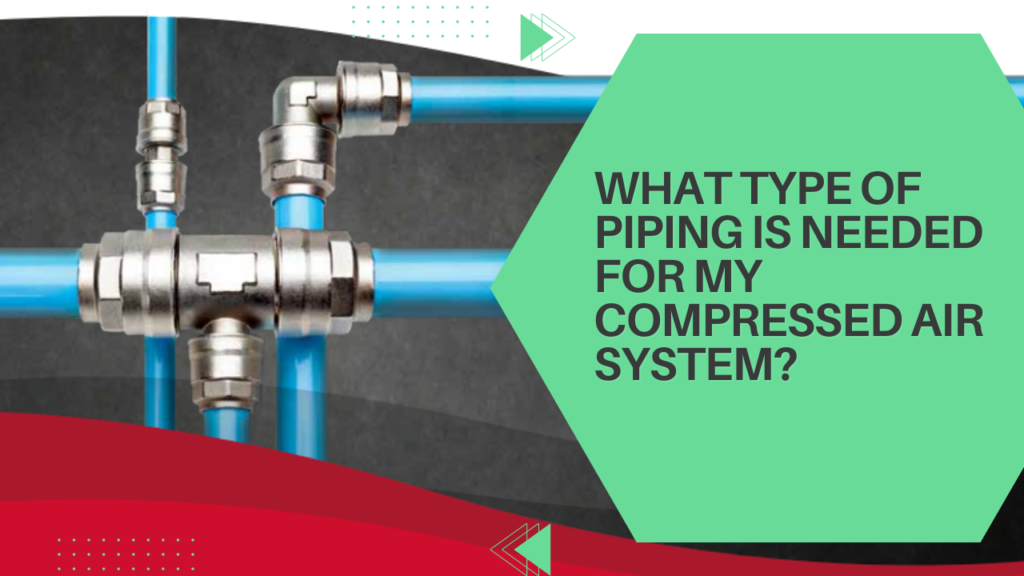
How a Differential Pressure Gauge Can Help to Maintain the Air Quality in a Compressed Air System

How a Differential Pressure Gauge Can Help to Maintain the Air Quality in a Compressed Air System

What is differential pressure?

Differential pressure (DP) refers to the difference between two applied points of pressure. When this value tends to fluctuate significantly in a process system, it can be an indication that the component is in need of repair, replacement or maintenance. This is why, it becomes important to understand how to read differential pressure to keep functioning at optimal levels without the equipment breaking down.

What is a differential pressure gauge?

A differential pressure gauge is an instrument that is used to measure the differential pressure in a system and display the results visually. It can monitor the status of the air filter, which is an integral part of most compressed air systems. While the air filter performs a key function in removing contaminants entering the system, it creates a resulting change in pressure between the entry and exit points of the system. With passing time, these points accumulate dirt and get clogged, thus increasing the differential pressure.

A differential pressure gauge can track the changes in differential pressure in the system and alert you when it has reached a point when the filter must be replaced. This is a major benefit in operating an air system, as it can help minimize downtime from a malfunctioning and conduct timely maintenance as and when required.

Here is a look at some important facts about using differential pressure gauges:

  • Although a differential pressure gauge is an indicator of air quality, it does not directly influence the quality of the air that goes out from the system. However, it checks the condition of the air filter in the system and plays a large role in keeping it healthy.
  • If you have a compressed air filter fitted with a differential pressure indicator or monitor, keep in mind that this differs from a true differential pressure guage. Such devices are not as accurate or calibrated as the latter.
  • Be careful not to fall into the trap of thinking that you must only change your compressed air system’s filter when there is an increase in the differential pressure. A marked fluctuation in differential pressure means that the air compressor has to function at higher pressures for prolonged periods of time to overcome the same. So, fluctuations can occur regardless of the condition of the air filter. Besides, any wear and tear in the filter can sometimes prevent the differential pressure from showing a change, despite being clogged up.

A differential pressure gauge is a valuable tool to monitor the condition of the air filter in a compressed air system, which is instrumental in ensuring that the system maintains high standards of air quality.

VEMC is ISO 9001:2015 certified and a pioneer in the field of electromechanical engineering products, allied equipment, and services. We are also an authorized dealer of Elgi air compressors. With over 72 years of industry expertise, we aim to offer you end-to-end solutions and specialized support in this space. Please contact us on +91 98199 07445, and we will be happy to help you meet your requirements.
How Can You Select the Right Dewatering Pump for Your Building?

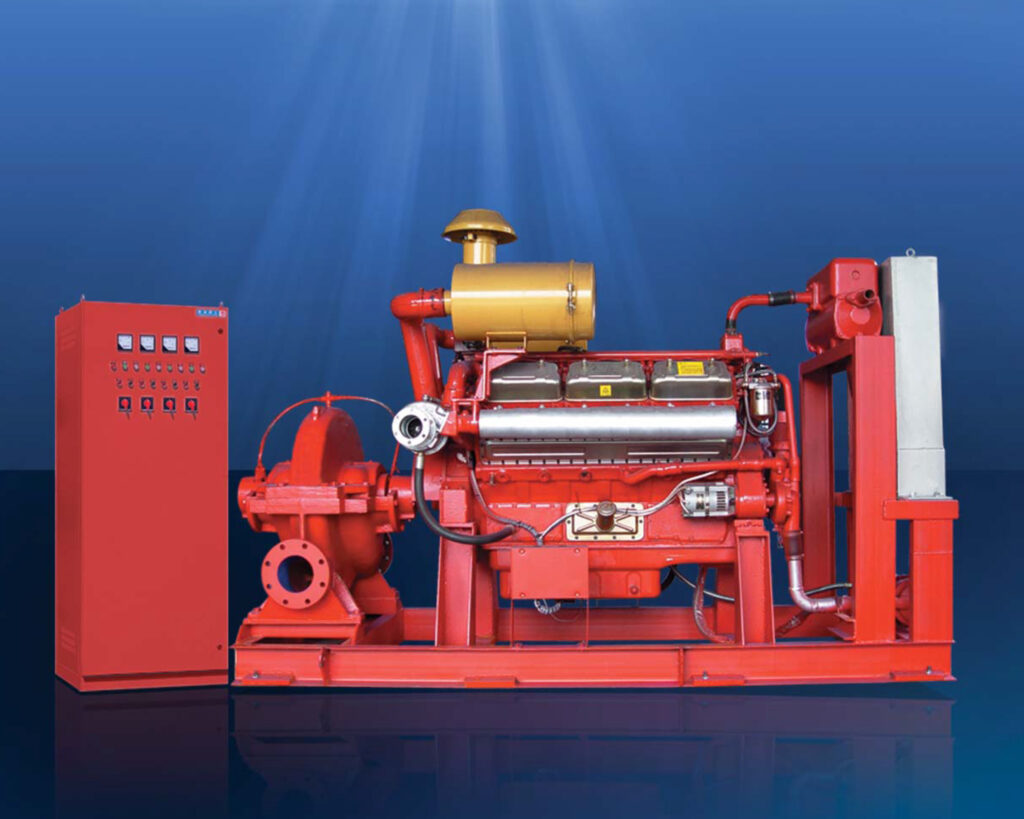
Industrial sites often have areas that get clogged with excess water and sludge from things like the rain, a high water table, and melting ice. Dewatering is an essential process in such cases. However, it requires adequate planning and preparation. So how can you select the right dewatering pump for your building? Let’s take a look at factors you should consider.

Pump size

It is the size of the dewatering pump that determines how much load it will be able to process. Pump sizes may range from 1 kW to 10 kW for most industrial purposes. Operating the pump at its maximum capacity makes it prone to mechanical issues which may create downtime. So, if the pump needs to be run continuously, it is better to install multiple dewatering pumps at the site. Called parallel pumping, this method helps your equipment to function for longer periods.

Discharge head

You should also consider the total height of the discharge pipe which is known as the discharge head, along with the height from the point that the water is pumped. If you need to pump the water from a significant height, be sure to choose a higher discharge head. As well, the suction head capacity will determine the depth of the water being pumped.

Flow Rate

The flow rate of the pump indicates how much time the pump will take to complete the work fully. Depending on how fast you would need the dewatering process to be finished, select a pump with a flow rate that matches your requirements appropriately. Keep in mind the size of your site and the amount of water that is to be removed. For a quicker rate, pick a pump that can discharge a higher volume of fluid per minute.

Flexibility of location

If the nature of your work demands that the pumps be moved around easily as opposed to fixed to a particular location, it would be best to choose a pump that is portable. Although it may be tempting to select a cheaper model that is not, doing so would take more time and resources to relocate during operation and cause inconvenience.

Availability of electricity

The dewatering pumps will need electricity to function, so it is important to ensure that there is access to sufficient electricity at the site.

Waste removal

The dewatering process can unearth a lot of sludge and other solids from groundwater. This is why it is necessary to select a pump that can withstand and pass these through an efficient built-in waste removal system.

Keeping the above factors in mind will help you make a prudent choice when looking for the best dewatering pump for your building and application.

For more information on industrial pumps, motors, and other equipment, please contact VEMC at +91-9819907445. As one of the authorized dewatering pump dealers in Mumbai, we would be pleased to assist you in finding the best match for you based on your requirements. We are ISO 9001:2015 certified and a pioneer in the field of electromechanical engineering products, allied equipment, and services.
How Effectively Do Solar Panels Work On A Cloudy Day?

Fickle British weather poses threat to future electricity supplies |  Financial Times

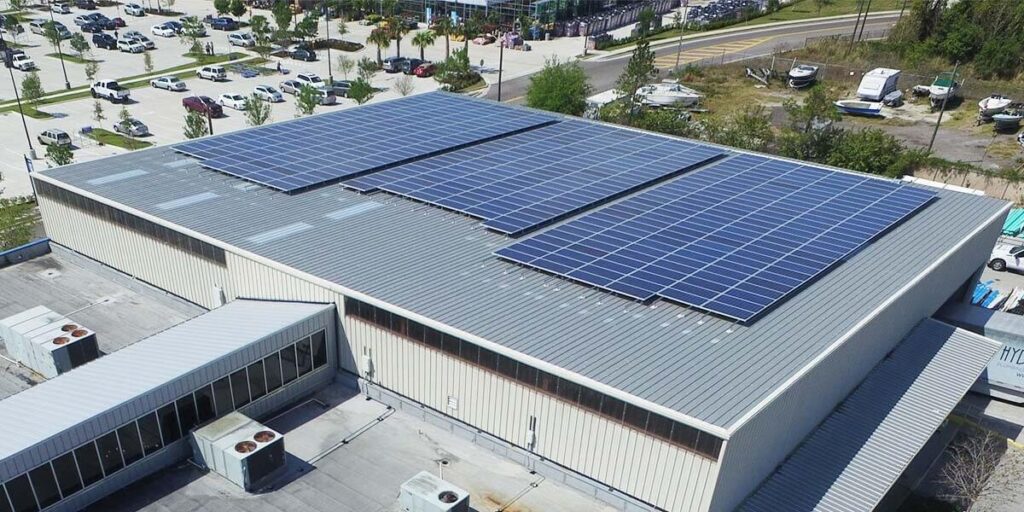
Solar panels essentially receive sunlight to convert into electricity which can be consumed. This is why they are usually installed in such a way that lets them receive maximum sunshine. However, what happens on days that are particularly cloudy? Do the solar panels still work when there is a significant cloud cover? This is a pertinent question that has a bearing on the functionality of your home or business’s solar power system. To answer it, yes, solar panels do work even when it’s cloudy. Let’s explore this further.

What effect does cloud coverage have on solar output? Factors like the quality of the solar panels and the density of the clouds determine this. Some solar panels work well in reflected light, which implies they can capture a broader spectrum of sunlight and can generate enough power even on overcast days. Usually, solar panels tend to work at 80% of maximum output when it’s cloudy. It takes extremely dense clouds that block the sun’s ray’s completely to prevent solar panels from working.

Let’s also take into account the fact that in big cities where rain and cloud prevail for much of the year, solar panel installations continue to be a rising trend. A major reason for this is the high cost of electricity in such places, and switching to solar panels can reduce electricity bills drastically. It is also an indication that solar panels can run well despite cloudy conditions.

Another factor is a phenomenon that takes place when the sun emerges from a cloud, which causes its light to become magnified due to refraction, thereby resulting in stronger solar radiation even on a cloudy day.

Besides, the main element in producing solar energy is daylight rather than sunlight. Photovoltaic (PV) panels can use either direct or indirect sunlight to capture solar energy to convert into photovoltaic energy, which subsequently gets converted into electricity. On cloudy days, the solar panels may not work at peak efficiency as on sunny days, but you can make up for the difference in solar output with storage solutions like solar net metering. With this, the required electricity can be drawn from the electrical grid even on cloudy days.

All in all, cloud cover is not a matter of concern when it comes to investing in solar energy. This is mainly because on cloudy days there is only a small dip in solar output which lasts a very brief period of time.

VEMC is a well-established solar services company that provides end-to-end project management services to its clients. We are ISO 9001:2015 certified and a pioneer in the field of electromechanical engineering products, allied equipment, and services. For inquiries, contact us at +919819907445.
Solar Lease or Solar Financing — How Can You Choose What’s Better for You?

So you’ve decided to make the switch to solar energy. Great move! However, you’re still wondering how best to finance this. Solar lease and solar financing are two of the most common ways with which you can shift to the new system. Both enable you to install solar panels without having to pay the enormous cost of the system upfront. Let’s understand what each of these is.

Solar lease

When you take a solar lease, it means you make a monthly payment to the solar installer rather than owning the solar panels yourself. This reduces the amount of money that you have to pay overall. You benefit from this arrangement by consuming solar energy for your household or business needs and subsequently, reducing your electricity bills because solar energy is efficient and less of it is required to power your home or office than normal electricity.

Solar financing

In solar financing, you take a loan to buy and install the solar panels. You can pay this off over the tenure. With the cost of solar panels steadily declining with time, many are opting for this option as the main benefit is that you gain ownership of the solar panels whereas, in solar leasing, you don’t.

Solar leases vs solar financing

Both solar loans and solar leases allow you to pay a lesser amount of money upfront when installing the solar panels. However, you will need to consider the terms of both scenarios in order to determine which is better for you. Some perks, such as tax exemptions by the government, may not be available to you if you choose the solar leasing option. On the other hand, if the interest rates for solar financing are too high, it may not be ideal for you. However, in the long run, solar financing may be a less costly option rather than paying a continual sum every month like in the case of solar leasing. As well, keep in mind that maintenance becomes less of a responsibility for you when you choose to lease. No matter which option you choose, your utility bills will dip from switching to solar energy, so that is a cost-saving benefit either way.

On the flip side, the return on investment from solar panels is higher when you go for solar financing rather than leasing. When making your final decision, you must weigh the pros and cons of each option and choose the one that matches your needs best. If you value ownership, you may want to consider solar financing. If you prefer to pay a lower sum every month for the entire duration of having the solar panels installed and like the convenience of maintenance and servicing taken care of, you may want to select solar leasing.

VEMCO is a well-established solar services company that provides end-to-end project management services to its clients. VEMC is ISO 9001:2015 certified and a pioneer in the field of electromechanical engineering products, allied equipment, and services. For inquiries, contact us at +919819907445.

How Does a Dewatering Centrifugal Pump Work?

A dewatering centrifugal pump works much like a regular centrifugal pump, but with one distinctive difference. This type of pump is built with a special feature that allows the fluid passing through it to be controlled and maintained in its movement. Let’s explore what this means and how a dewatering centrifugal pump does this.

May be an image of text that says 'MONSOON READY. FLOOD READY VEMC VIJAY NGINEERING ANDMACHNERY Kirloskar De-watering Pumps help solve waterlogging. Serves across areas like: Individual Villas Residential Housing Societies Underground Parking Area Shopping Malls Parks etc. Medium and large townships of Industries Refineries City ndustrial area Stadium Hotel Hospitals Underground manufacturing area Godowns Warehouses etc. City underground passages City deep excavation construction area Airport line construction area Raliway tracks etc. Authorised Channel Partners of Kirloskar Brothers Ltd Vijay Engineering Machinery Company'

What is a dewatering pump used for?

A dewatering centrifugal pump, just as the name suggests, is primarily used to remove water from a particular place and transfer it to another location. A dewatering pump finds several uses across industries including construction, mining, mills, and municipal operations. Any place that needs to be kept dry and clean, such as roads and worksites, will benefit from having a dewatering pump to work with. During the monsoon season especially, a dewatering pump comes in extremely handy thanks to its effective flood control, inland wastewater management, and prompt drainage functions.

How does a dewatering pump work?

A dewatering centrifugal pump actually functions as any other pump does. Just like a centrifugal pump, the dewatering pump makes use of an impeller that has a blade to start and keep up the movement of the water. The fluid goes into a smaller part of the impeller called the impeller eye. The flow of the water is then collected from here and directed to the diffuser, which is a discharge nozzle that is shaped like a cone. This is when the velocity of the water is decreased and the energy of the water flow is changed to pressure energy.

After the above process, the water is then removed from the pump at an angle of 7 to 10 degrees for optimal efficiency. This is the stage of dewatering. To help this process along, usually, an electric motor is used. However, some pumps may use different types of motors.

Special features of a dewatering pump include a robust and compact design, light weight for portability, high fluid capacity, and high abrasion resistance to enable the most efficient handling of muddy water and slurry.

Dewatering centrifugal pumps are also easy to operate and because they are usually installed above the source of water and a ground level site, they are also quite easy to access.

Today, there are dewatering centrifugal pumps available in the market that offer extremely high performance, durability and are very reliable. Many top brands are also providing quality maintenance services. Make sure to select one that offers hassle-free servicing of parts. This will minimize the possibility of downtime and ensure that your dewatering centrifugal pump continues to function at peak efficiency levels.

For more information on industrial pumps, motors, and other equipment, feel free to contact us at +91 98199 07445. We would be glad to assist you in finding the best match for you based on your requirements. VEMC is an authorized dealer of Kirloskar dewatering pumps and provides end-to-end project management services to its clients. We are ISO 9001:2015 certified and a pioneer in the field of electromechanical engineering products, allied equipment, and services. For inquiries, contact us at marketing@vemc.co.in.
What You Need to Know About Solar Panels & Other Components Before Installing A Solar Power System

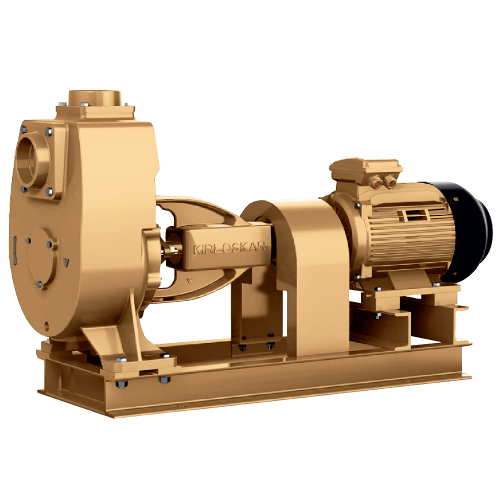
So you’ve decided to make the shift to using a greener, more renewable source of energy for your business or household. Firstly, congratulations! Secondly, you would want to know how to go about installing a solar power system in your home or facility. We’ve got you covered. Here are some of the main components of the system that you need to know the uses of in order to understand how to proceed with the installation process.

Solar Power System

A solar power plant or system is made up of various components that collectively work to convert sunlight into electricity and transfer it into a form that can be used to power your home or facility. It serves to provide a smarter, sustainable solution to minimize electricity consumption and environmental pollution.

Solar Photovoltaic (PV) Panel

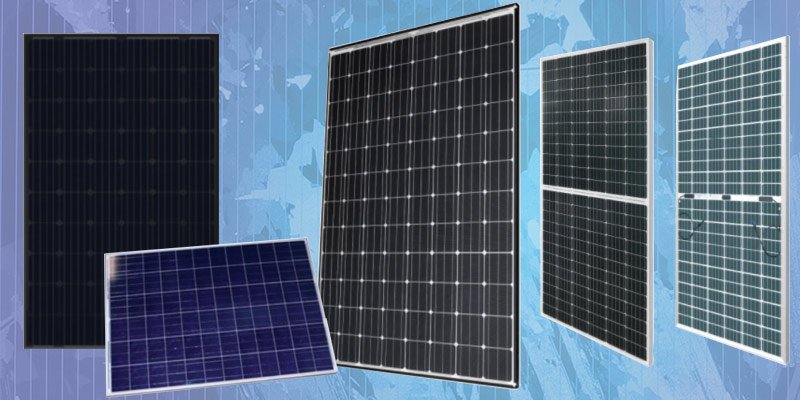
The solar panel forms the backbone of the system. Also known as the solar or photovoltaic (PV) cell, the solar panel performs the crucial function of converting thermal energy from the sun into electricity. There are also certain types of solar panels like monocrystalline and polycrystalline. You need to choose a solar panel based on its efficiency, space requirements, warrant, and cost. The output from the panel is ultimately what matters most.

Battery Charge Controller

The battery charge controller manages the voltage and flow of current from the panels to the battery. It tracks the voltage in the battery and regulates the current accordingly. If the battery is charged completely, it will reduce the current. The controller maintains charge so that the battery is ready to be used.

Net Metering

With net metering, any electricity that you don’t use gets converted back into the grid for later use. It can also be sold back to the utility company and only your net usage of the electricity gets billed.

On-Grid System

An on-grid or grid-tied solar system facilitates the transfer of the surplus or deficiency in the converted electricity back to the grid through net metering. With a net metering, this lets you save on your electricity bills.

Solar Inverter

A solar or photovoltaic inverter converts the electricity that is direct current (DC) from the photovoltaic solar panel into alternating current (AC) which an electrical grid can consume. The solar inverter is one of the most important components of a solar power system.

Installing the solar power system, including the panels and inverter, is a highly specialized task that is best conducted professionally. You can consult an expert in solar power installation among the top solar companies in Mumbai to ensure a smooth installation.

VEMC is a well-established solar power plant company and a pioneer in the field of electromechanical engineering products, allied equipment and services. VEMCO Solar is a market leader in solar solutions — be it solar plant erection, procurement, commissioning, net metering, or electrical connections. If you have any requirements in this space, please reach out to us at 022 43436655, and we will be happy to provide you with customized support and services.

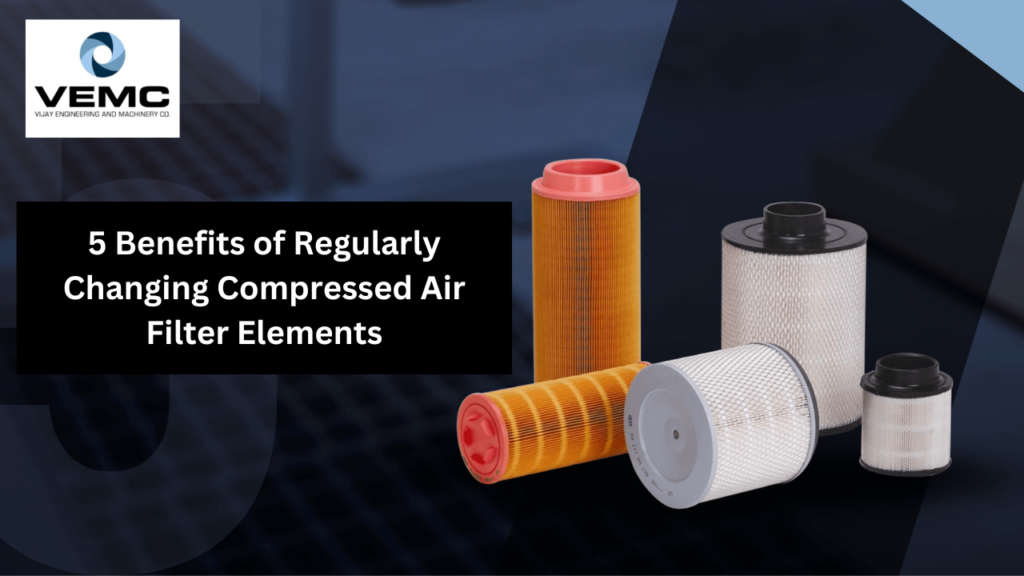
5 benefits of regularly changing compressed air filter elements

5 benefits of regularly changing compressed air filter elements

Compressed air is indispensable to a vast number of manufacturing and industrial applications including pneumatic tools, petrochemicals, and food processing, among others. Most compressor systems are fitted with a filtration system to optimize the movement of the air and minimize the risk of contamination. To keep the system functioning smoothly, it is necessary to conduct regular maintenance and replace the components that have become worn out. Parts of the air filtration system in the compressor have a limited shelf life and in order to keep working effectively, they must be checked and replaced periodically. Let’s take a look at five benefits that changing the compressor’s air filter elements regularly provides:

1. Maintain a high quality of compressed air

Changing the air filters regularly makes for a safer, cleaner work environment without the risk of undesirable contaminants that can cause damage to your staff and equipment. To keep the air filtration system unclogged and functioning at peak efficiency, you need to change the air filters as often as required. Check with the manufacturer to know what the recommended frequency of your filters is.

2. Protect adsorption dryer beds

In some systems, using fresh new filters enables the adsorption dryer beds to operate at their most efficient levels. With reduced particulate matter present in the airflow over these, they are going to remain healthy more easily and offer maximum advantage.

3. Decrease operational costs

Changing the air filter parts regularly cuts down on the risk of running into problems with the entire system which can result in downtime, costly repairs, and all-around inefficiency. Without proper maintenance of the air filtration system, the compressor has to work harder to deliver the required airflow. This puts a burden on the compressor and makes it consume more energy and be susceptible to damage and lowered durability.

4. More productivity and profitability

An outcome of conducting consistent maintenance and changing the air filters is that you will benefit from a boost in efficiency, thereby resulting in increased productivity as well as profitability for your business.

5. Sense of assurance

Changing the air filtration parts of your compressor system keeps everything operating much more smoothly than if you did not. It is a habit that gives you peace of mind and a sense of assurance that your system is running at the best of its ability in the safest way possible. It reduces the anxiety and inconvenience of unexpected downtime. This in itself is invaluable when it comes to the daily operation of your business or factory.

These benefits far outweigh the consequences of not changing the air filter parts regularly as required. So, keep them in mind when maintaining your air compressor system!

VEMC is ISO 9001:2015 certified and a pioneer in the field of electromechanical engineering products, allied equipment, and services. With more than 72 years of industry experience, we provide best-in-class solutions and customized support in this field. We also provide a number of Elgi air compressors. Contact us at +919819907445 and we would be happy to help you determine the right air compressor for your needs.