

VEMC-Blogs

Diesel Engine Control Panel

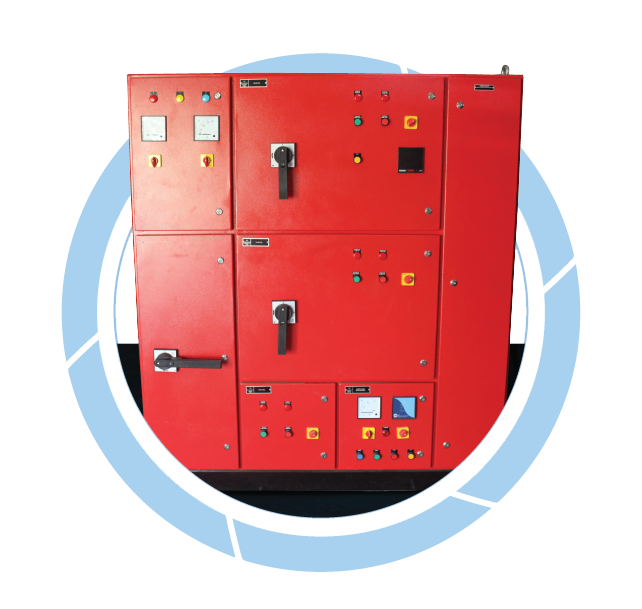
Control panels provide a simple user interface to operate, monitor, and control an otherwise complex piece of machinery. Their foremost and most basic feature is the switches to start or stop the machine. Visually these panels indicate the measurements of various parameters of the machine such as voltage, current, and frequency. In case the machine overheats, over speeds, or slows down due to a number of internal and external factors, control panels also facilitate an intervention. In this blog, we unpack the features, uses, and capabilities of a diesel engine control panel for you.

The most important function of diesel engine control panels is to control and protect the diesel engine. The control panel comprises a set of integrated components that monitor the diesel engine parameter readings to stay within the safe levels. The diesel engine control panel functions through the coordinated action of the following components:

  1. The Diesel Controller Unit 

Just like the CPU of a computer, the control module is the brain of your panel. It is a device that controllers the circuit of the panel using a microprocessor controller and paraments of a diesel engine based on changing conditions or shifts in parameters.

  1. The Terminal Rail

This is the junction of all the wires and connectors coming from the engine and the alternator. These wires are linked to the control panel to establish a two-way connection between the engine and the panel. Inputs on the control panel reach the engine and alternator while changing parameters in the engine and alternator are relayed to the panel.

  1. Battery Charger 

Inside the control panel, there are independent fully automatic microprocessor-controlled battery chargers rated at 10 Amps. The battery chargers operate in such a manner as to ensure that the engine batteries are fully charged within 24 hours. PCB mounted LEDs are provided for indication of AC Power On, and Battery Power On.

  1. Circuit Breaker

Just as in many other electrical and electronic devices, the role of the circuit breaker is to stop the flow of current in case of overload or short-circuit. This mechanism is very crucial to keep your diesel engine safe from a sudden spurt in electricity.

The diesel engine control panel is thus an effective device to monitor and control your generator. These days, the panels also include hi-tech LCD screens, displays showing running time, oil pressure and temperature sensors, remote start or stop capabilities, and an emergency shut-down lever. While most manufacturers include these as standard features, you may place an order to assemble a customized control panel based on your unique requirements.

For more information on our products, feel free to contact us on +91 98199 07445. We would be happy to assist you in finding the best match, based on your requirements. As one of the leading MCC panel manufacturers and Control Panel Manufacturers, VEMC provides end-to-end services to its clients. A renowned electrical panel manufacturer in Mumbai, VEMC is ISO 9001:2015 certified and a pioneer in the field of electromechanical engineering products, allied equipment, and services.

How Solar Panels Produce Electricity

Solar energy is one of the most promising sources of electricity owing to a number of inherent factors. Unlike conventional sources of energy like fossil fuels, solar radiation is abundantly received in most regions of the world. Electricity generation by solar requires little to no inputs of raw material and perfectly fits the bill for clean energy. But what is the science behind tapping solar energy? How exactly do solar panels produce electricity and how efficient is solar energy really? In this blog, we simplify the working principles behind solar electricity and elucidate your understanding of this magnificent fuel for the future.

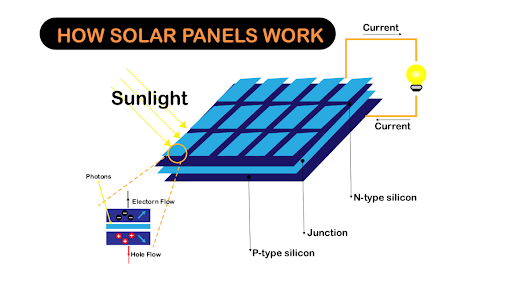
Solar panels are made up of a number of Photovoltaic (PV) cells (named so because they convert solar energy into electric energy). The PV cells are made up of semiconductor materials such as silicon that absorb solar radiation and release a number of electrons, which then travel freely in the cell. To create an electric field when sunlight hits the panel, a positively and a negatively charged semiconductor is sandwiched together. The electric field directs the flow of the loose electrons towards the conductors lining the cell, which then flow through the wires as Direct Current (DC). 

The DC then reaches the inverter that converts it into the most commonly used Alternating Current (AC). Finally, a wire carries the AC from the inverter to an electric panel which acts as a junction for distributing the current throughout the building.

One PV cell typically generates two watts of electricity. However, when a large number of PV cells are connected together on a solar array (PV panel), hundreds or even thousands of kilowatts of electricity can be generated. A PV panel is made up of solar cells arranged in the configuration of 32, 36, 48, 60, 72, or 96 cells. The larger the assembly, the greater will the electricity produced be! The standard panel size for commercial use is 77 x 39 inches, while that for residential purposes is 65 x 39 inches. 

The energy efficiency of most PV panels ranges from 15% to 20% at present. This is affected by varying solar radiation received at different geographical locations. Sunlight also varies according to the time of the day and seasons of the year. Besides, obstruction, shade and unclean panels can also reduce production significantly.

The principle behind solar energy is quite simple. However, there’s still ample scope for advancements in order to boost production capacity and enhance efficiency. This demands generous funding in the field to promote research and innovation. For more information on various types of solar services, feel free to contact us on +91 98199 07445. We would be happy to assist you in finding the best match, based on your requirements. As one of India’s best solar companies having 73 years of market experience, VEMC provides end-to-end Solar EPC services to its clients. VEMC is ISO 9001:2015 certified and a pioneer in the field of electromechanical engineering products, allied equipment, and services. Our sub-brand VEMCO Solar is one of the leading solar EPC companies — be it solar plant erection, procurement, commissioning, net metering, or electrical connections.

VEMC at 73: Recollecting the Years Gone By

On 11th August this year, VEMC turns 73. A business spanning the better part of the last century speaks volumes about our experience, expertise and competence. On the occasion of our 73rd anniversary therefore, we decided to take you down the memory lane by recollecting the years gone by.

Vijay Engineering and Machinery Co. was founded in 1948 by Late Shri Sharad Kumar Shah along with Late Shri Rajaram Shinde, both entrepreneurs par excellence with a penchant for engineering and machinery. Their first office was a 100 square feet room at Commerce House in Ropewalk Street Bombay. During those days, erratic electricity even in urban and commercial areas, often compelled users to look for alternatives for running their equipment. The company saw this as an opportunity worth exploring and participated in an import auction of Petter Field Engines. The product, owing to its high quality, turned out to be a great success and gave VEMC a spectacular start.

During the 1950’s, VEMC made its way to various government projects and forged associations with many renowned companies. These included Kirloskar Brothers, WRT Talwalkar Pvt. Ltd., Bush Electricals and MICO Full Injection Equipment Company. The diverse nature of these projects vastly added to our product basket and also to the depth of our client profiles. Strong emphasis on ethics-based business practices and customer-centred approach soon became the defining features of our brand.

The 60’s was a time of expansion for the company. In this period, the government framed policies that laid emphasis on providing basic necessities of life, especially water, to all citizens of the country. The dry hinterland of western India was an important focus area and became VEMC’s market for Vertical Turbine Pumps. After this, VEMC group took a bold step and went beyond their comfort zone of the western region, and established the Rajendra Engineering Company in West Bengal, as the state distributor of Cooper Engines.

Radical changes in the style of doing business were seen in the decades between 1970 and 1990. The scope of work changed from supply of products to taking up turnkey projects, especially in the water pumping business. With its dynamic leadership at the helm, VEMC was up for the challenge and established Shailesh Engineering in Bangalore, a company that mostly handled turnkey projects for government’s water supply scheme and thermal power plants.

As the Indian economy opened up in 1991, new challenges came our way. Multinational companies began making in-roads into the Indian market giving VEMC and its partners a very stiff competition. However, the many years of trust and high-standards of service now bore fruit as the company remained unfazed in the wake of this altered situation. In fact, new avenues, such as building and construction began opening up to VEMC. In 1996, VEMC was awarded as the number one channel partner across India! In the period from 2003-08, the company grew at a rate of 20% CAGR, owing largely to its government projects.

Thus, after years of arduous efforts and strongly rooted business ethics, VEMC has been able to carve out a unique brand image for itself: one that emanates unfailing trust, relentless confidence and an inspiring vision for the future.

How Solar, Wind, and Hydropower can Outclass Coal Energy

For a very long time in modern human history, coal dominated the energy market as the cheapest, most easily available, and readily combustible source of energy. Coal energy was in fact the force behind the Industrial Revolution and continued to power factories, trains, and smelting furnaces, even into the twenty-first century.

However, today there is a huge concern to shift our energy demands from fossil fuels such as coal to renewable energy like solar, wind, and hydropower. This is due to the growing awareness about environmental issues and also the exhausting fossil reserves across the world. In the developed world, the transition is already evident, with shrinking demand for coal in the electricity sector. More and more power plants are switching over to solar and wind farms as the main source of energy to generate electricity. In the US, the Energy Information Administration (EIA) reported that the demand for coal in the electricity sector shrank from 28% in 2018 to 22% in 2019 (source).

As declining reserves of coal impact supply and leads to increased prices, renewable energy will be seen as a more cost-effective source of energy. This will draw the commercial sector further towards renewable energy as it will not just make them more compliant with their environmental legislation but also help them cut their energy bills and improve their margins.

India has set itself a target of producing 175 GW of renewable energy by 2022, out of which 100 GW will come from solar energy, 60 GW from wind, 10 GW from biomass, and 5 GW from hydropower (source). Increasing reliance on non-fossil energy is especially important for India to keep threats from climate change under check while its economy grows at a steady pace.

Critics take an interesting line of attack at renewable energy: The sun doesn’t always shine and the wind doesn’t always blow. This seems like a valid criticism but overlooks the stupendous growth of research and innovation in renewable energy (especially solar energy), backed by generous funding. This has greatly enhanced the storage systems so that the energy is used as and when needed. This has also placed renewable energy on the trajectory of increasing efficiency and declining equipment costs.

As fossils fade away into the background of the energy conundrum, renewable sources of energy like solar, wind, and hydropower will form the dominating portfolio for our energy needs of the future.

For more information on various types of solar services, feel free to contact us on +91 98199 07445. We would be happy to assist you in finding the best match, based on your requirements. As one of India’s best solar companies with 73 years of market experience, VEMC provides end-to-end Solar EPC services to its clients. VEMC is ISO 9001:2015 certified and a pioneer in the field of electromechanical engineering products, allied equipment, and services. Our sub-brand VEMCO Solar is one of the leading solar EPC companies — be it solar plant erection, procurement, commissioning, net metering, or electrical connections.

5 Steps to Achieve Maximum Air Compressor Efficiency

The key to optimal air compressor efficiency is to maintain the integrity of your entire pneumatic system. This includes the air compressor, fittings, air hose, and tools. An efficient pneumatic system will ensure that you’re getting the air you need when you need it. An inefficient one will cost you time and money. So, here are 5 steps that will make sure your pneumatic system keeps operating the way it was intended to.

  1. Use 3/8-inch Air Hose: Whenever possible, use a 3/8-inch air hose to ensure you get the maximum amount of pressure to the tool. While a 1/4-inch air hose is lighter to work with, its smaller diameter restricts airflow and causes a greater degree of frictional loss. As a thumb rule, opting for a larger diameter hose ensures the maximum amount of pressure to the tool.
  2. Use Shorter Lengths of Air Hose: The longer the distance air has to travel, the greater is the loss of pressure. For the maximum amount of pressure, use shorter lengths of air hose wherever possible. This, however, may not be possible in certain unavoidable situations, and in that case, using an auxiliary tank can come to your rescue.
  3. Use an Auxiliary Tank: An auxiliary tank acts as a reservoir of extra air and allows a user to maximize the distance between the compressor and the tool. It also helps minimize frictional loss.
  4. Lubricate your Pneumatic Tools Regularly: Using lubricants on movable parts can reduce friction and achieve greater levels of efficiency. It is important to consider the frequency of lubrication as well as the type of lubricant being used in the tools. For tools that are used daily, 4-5 drops at the start of each shift, is the norm. Using the wrong type of lubricant can damage the O-rings and other critical components.
  5. Check the System for Leaks: This can be done simply by allowing the compressor to build top pressure with the air hose and other components connected. Once the compressor has stopped pumping, watch the tank pressure gauge and listen carefully for any hissing noise. If the needle of the pressure gauge drops continuously, it indicates a leak. If on the other hand, it stays put and there is no hissing noise, the system is completely leak-free. Leaks in the system can cause excessive running of the compressor, leading to early wear and tear. A leak can be detected by spraying soap water on the hose and other components and looking for the formation of bubbles.
5 Steps to Achieve Maximum Air Compressor Efficiency

For assistance to decide on the air compressor that suits your needs the best, feel free to contact us on +919819907445. We would be happy to assist you in finding the best match based on your requirements. As one of the leading ELGi air compressor dealers, VEMC provides seamless services to its clients. VEMC is ISO 9001:2015 certified and is a pioneer in the field of electromechanical engineering products, allied equipment, and services.
Different Types of Air Compressors

Compressed air is a great source of energy in wide-ranging industrial operations and is used for powering tools like impactors, drills, and other equipment. Air compressors, therefore, act as engines to create and supply this powerful driving force. Compressors are prone to falling into disrepair, especially due to impure, humid, or hot air, and therefore require regular maintenance, care, and protection to ensure optimum level performance.

Different types of air compressors are used in the industry, each with unique designs and operation specifics. So, you must understand the difference between all of these air compressors. Buying the right type of compressor from a reputable company ensures a longer lifespan and higher returns on your investment. In this blog, we shall take a look at the most common types of air compressors in use today.

Reciprocating Air Compressor

A Reciprocating Air Compressor, also known as a Piston Compressor uses one or more pistons to compress the air which enters it through a system of valves. The compressed air then flows into the holding tank. This is one of the most widely used types of industrial air compressors and finds application in areas like chemical processing, gas transmission, and hydrocarbon refining.

Screw Air Compressor

Screw Air Compressors make use of two closely meshing helical screws to compress air. Once the air enters into the chamber, the helical screws are turned to push it down into an extremely constricted space, which increases its pressure manifold. These compressors are mostly used in refrigerators and automated manufacturing systems. In the construction sector, these are used to provide compressed air to jackhammers, riveting tools, pneumatic pumps, sandblasting operations, and industrial paint systems.

Centrifugal Air Compressor

A centrifugal compressor makes use of a fast-rotating impeller and radial blades which create centrifugal force to suck the air in. These days, centrifugal compressors have high-speed electric motors to drive the impellers and create powerful centrifugal force. These compressors are used in gas turbines, automobile turbochargers and superchargers, oil refineries, natural gas processing, air-conditioning, and HVAC systems.

Oil-Free Scroll Compressor

Air compressors have a number of moving parts which create friction and wear and tear, leading to early degradation of the compressor. As such, oil lubrication is a must for air compressors. However, frequent oil lubrication can be burdensome and may not be suitable in operations where cleanliness is of utmost importance. Oil-free scroll compressors can come in handy in such situations. These use the rotary movement of scrolls to compress air into a very small space and pass it through the air outlet located at the centre of the scroll.

For assistance to decide on the air compressor that suits your needs the best, feel free to contact us on +919819907445. We would be happy to assist you in finding the best match based on your requirements. As one of the leading ELGi air compressor dealers, VEMC provides seamless services to its clients. VEMC is ISO 9001:2015 certified and is a pioneer in the field of electromechanical engineering products, allied equipment, and services.
4 Tips on Increasing Solar Panel Efficiency

As the demand for sustainable energy grows, solar power stands out as the most favoured choice for the future. However, as solar systems require significant investment due to the high cost of semiconductors and allied components, it is important that maximum possible energy is generated from each square foot of a photovoltaic panel. Solar Operations and Maintenance (O&M) companies play a huge role in ensuring the highest efficiency of the solar power systems but some simple tips based on a common understanding of solar energy can go a long way in enhancing your output.

Well, the science behind solar energy is very simple — the higher the exposure of solar cells to sunlight, the greater will the output be. It is around this fundamental principle that most of these efficiency-enhancing tips revolve:

  1. Avoid shade: Due to the installation of intricate groupings of solar cells in a panel, even if a small part of the panel is covered by shade, the whole module will have less energy conversion. Shade is therefore a major inhibitor of solar energy and must be minimised as much as possible. This requires careful placement of the solar panels, away from a permanent high-rising object like a chimney or a vent. Tall trees around the facility must be well-trimmed to ensure their shadow doesn’t fall on the panels at any time of the day.
  2. Careful orientation: Solar panels must be oriented in the direction where they receive maximum sunlight throughout the day. This completely depends on the geographical location of the installation. India being a country in the northern hemisphere, the solar panels are always made to face the south to receive maximum sunlight. In the US, both south and west are the favoured directions and have been known to produce the maximum output.
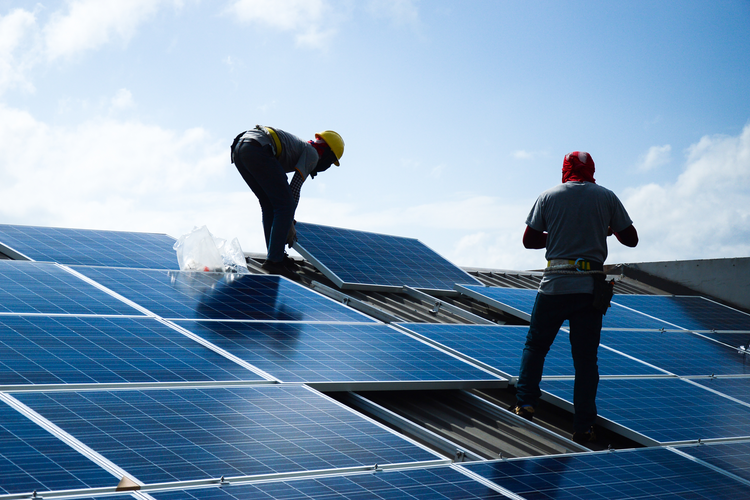
  3. Proper upkeep: Solar panels can get covered in dust, dirt and bird droppings in a very short span of time. As they are mostly installed on rooftops, it might get a little difficult to clean the panels regularly. This could reduce the efficiency of the panels as some or whole of their surface area is screened from the sunlight. Providing convenient access to the panels and cleaning them regularly is therefore important.
  4. Weather: Hotter days ironically generate lesser energy due to increase in current and drop in voltage. While controlling the weather is beyond our ability, we can surely be mindful about buying panels with the lowest temperature coefficient, which refers to the amount by which the output of a panel reduces after temperature rises beyond 25⁰C.

For assistance to decide on the solar panel that suits your needs the best, feel free to contact us on +91 9819907445. We would be happy to assist you in finding the best match based on your requirements. As one of India’s best solar companies, with 73 years of market experience, VEMC provides end-to-end solar services to its clients. VEMC is ISO 9001:2015 certified and is one of the leading solar EPC companies in India.

Challenges in Operations and Maintenance of a Solar Plant

From keeping plants running in optimum condition, manpower optimization, budget, and spare management for the smooth operation of a plant, to maintaining safety protocols, there are several challenges in solar operations and maintenance (O&M). In this blog, we will take a look at the multi-dimensional nature of these challenges.

The unexpected challenges of solar power | World Economic Forum

Preventive Maintenance

Preventive maintenance is a continuous process that aims at preventing sudden breakdowns and various costs accruing from it. It is carried out systematically, by following Standard Operating Procedures (SOP’s) and Standard Checklists, which help ensure consistency and quality of work. 

Condition Monitoring 

A significant change in the condition of the equipment is often clearly visible and can indicate the increased likelihood of breakdown at some point. It is important to repair or replace the equipment in time, especially if it is crucial to the working of the plant.

Corrective Maintenance

Despite all the efforts, some faults might arise in the system, which may need immediate corrective measures. This could include replacement of the faulty equipment or intervention by technical staff to restore its functioning.

O&M Budget

Cost control is an essential part of any solar O&M strategy and must be viewed in a comprehensive way. It is essential to reconcile the interests of the stakeholders with the objectives of controlling costs associated with system maintenance, quality checks, and testing procedures.

Documentation

A complete record of all activities taking place at a solar plant site must be well-documented and available for reference to all stakeholders, to ensure identification and removal of loopholes and procedural inconsistencies.

Spare Management

A formal inventory management system must be in place to keep a record of the type and quantity of spare parts available. These must be stored in an organised way to ensure ease of access during a breakdown.

Skills Training and Development

Working on-site can be full of challenges for which the personnel must be trained in order to increase their capacity across a range of tasks and reduce on-site accidents. This includes the development of technical skills and knowledge of standardized procedures and checklists.   

Plant Performance

To keep the plant at peak performance levels, it is essential to take a holistic view across human, technical and environmental dimensions of the plant. This includes functions like periodic module cleaning, vegetation control, spares management, manpower management, quality control, and Supervisory Control and Data Acquisition (SCADA) monitoring.

Safety

Safety measures while being on-site are essential for both personnel as well as the equipment. Proper safety procedures must be followed and protective gear must be used to prevent any kind of hazard. For assistance to decide on the solar panel that suits your needs the best, feel free to contact us on +919819907445. We would be happy to assist you in finding the best match based on your requirements. As one of India’s best solar companies, having 73 years of market experience, VEMC provides end-to-end solar services to its clients. VEMC is ISO 9001:2015 certified and is one of the leading solar EPC companies in India.

Maintenance for Air Compressor Systems

Maintaining air compressor systems is simple but very important! It requires combating heat, moisture, and loss of air pressure, to ensure peak levels of performance and also prevent early degradation of the compressor system. Heat causes motors, bearings, and oil to break down while moisture can affect the internal parts of the compressor by corrosion and microbial growth. Loss of air pressure makes the compressor do more work for the same volume of compressed air. So, in order to ensure the smooth running of operations, avoid interruptions and unexpected downtime, it is crucial to maintain the compressor at regular intervals. In this blog, we take a look at the measures that need to be taken.

Maintain the Coolers and Filters

  • Heat being the number one enemy of compressors, it is extremely important to keep the intercoolers and aftercoolers clean. These cool the air between the stages and after compressing the air respectively. 
  • It must also be ensured that the oil cooler is working properly. This is mainly responsible to prevent the degradation of oil and reduction in its life with rising in temperatures. Regular testing of the compressor oil is an important maintenance practice to predict the breakdown of oil before it becomes problematic.
  • The air inlet must be kept safe from dust, dirt, and contaminants. Regular replacement of air filters is very effective in keeping the air compressor clean on the inside.

Remove Compressed Air Condensate

  • As air is compressed, it ejects excess water that it cannot hold. In the humid spring season, this water could gush into your distribution system while in winters it can freeze inside the system and damage the piping. Clogged traps and stuck open valves must be regularly checked to ensure the removal of condensate from the system.
  • It’s important to check the drain valve regularly to ensure only clean and dry air is coming out. Any presence of moisture indicates retention of the condensate in the compressor and must be treated immediately to prevent corrosion and fungal and bacterial growth inside the system.

Avoid Compressed Air Pressure Loss

  • It is essential that the air pressure is maintained at the level suitable for your operations. Any drop in the pressure means the system is not operating at peak efficiency vis-à-vis the consumption of energy.
  • Change the inline filters and point of use filters as soon as they reach saturation. It is recommended that these elements are changed when the indicator reaches 6-8 PSI. Besides the filters must be inspected twice a year to ensure that they haven’t been compromised.

For assistance to decide on the air compressor that suits your needs the best, feel free to contact us on +919819907445. We would be happy to assist you in finding the best match based on your requirements. As one of the leading ELGi air compressor dealers, VEMC provides seamless services to its clients. VEMC is ISO 9001:2015 certified and is a pioneer in the field of electromechanical engineering products, allied equipment, and services.
O&M Issues in PV Solar Energy

Solar PV Operations and Maintenance

Solar power systems have a life-span of 20-25 years which makes their Operations and Maintenance (O&M) very important. This is to maximise energy production and minimise maintenance costs over the lifetime of the system. Maintenance is a continuous process which not only reduces the risks and costs associated with sudden breakdowns, but also keeps the system at prime efficiency levels. Fortunately, solar systems have lower maintenance and servicing requirements as compared to other energy generating technologies. In this blog, we’ll take you through some of the common O&M issues of photovoltaic (PV) solar systems and the approach to deal with them.

Natural Degradation

All solar cells degrade naturally, regardless of the environment they are installed in. However, the rate of degradation depends on the material of the PV panels. For instance, monocrystalline silicon panels have the lowest rate of degradation while copper indium gallium diselenide (CIGS) panels have one of the highest. Since the material directly affects the cost of the panels, choosing the type of panels is essentially a planning, budgeting and investment decision.

Lightning Protection

Lightning strikes can damage the solar power system by causing a power surge within the array. It is important to have a grounding system in place to redirect the energy from the lightning, away from the panels and into the ground. While the mounting system of the panels itself plays the role of grounding it, the material of the mounting system must be chosen carefully. This also depends on the type of foundation of the system. Besides having a robust grounding system in place, it is advisable to install surge protection equipment for backup safety.

Failure of Components

Cracking of panels and their visual discolouration can affect the efficiency of the panels. Both of these are irreversible damages. High temperatures can damage the solar panels by producing hotspots on them. Inverter downtime is another common issue with PV solar systems and their scheduled maintenance is a critical part of a solar O&M strategy. For static solar panels, ideal panel orientation is necessary to get the highest output. In case of tracking systems, it is important to regularly check the moving parts like gearboxes, motors, and actuators.

Weather Conditions

The environment impacts the durability of PV systems and adequate measures must be taken to offset its effect. For instance, regular cleaning and wiping may be required in windy or arid areas while sloping solar panels can avoid an accumulation of snow in cold regions. In the case of hailstorms, protective covers could be useful to prevent damage to the panels.

That said, it’s absolutely necessary to have an O&M plan in place for your solar plant to alleviate long-term costs. At VEMCO Solar, our valued clients are provided with customized plans to fit all their needs. VEMCO Solar (Check out our story) offers end-to-end solutions and has empanelled channel partners with the Ministry of New and Renewable Energy, Government of India, for solar PV rooftop, small power plant system integrators, and installation. Guided by the knowledge gained by VEMC over 72 years, our aim is to be by your side at every step of the way. VEMC is ISO 9001:2015 certified and a pioneer in the field of electromechanical engineering products, allied equipment, and services. Please feel free to contact us on +91 98199 07445.
How KirloSmart Has Proved to be a Vital Technology During the Covid-19 Lockdown

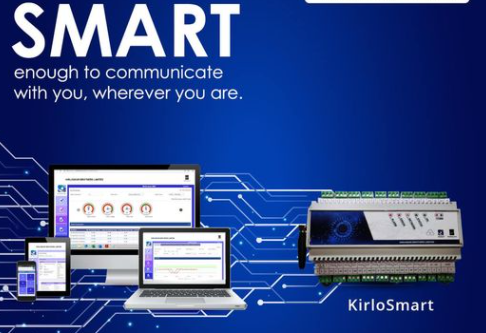
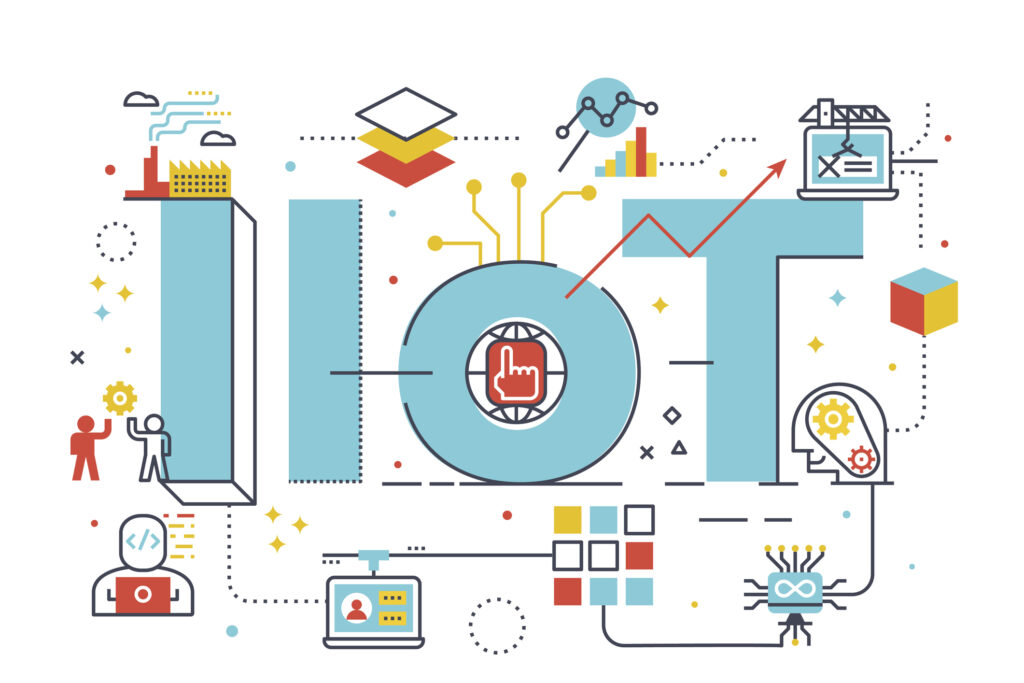
Imagine having access to all the parameters of your pumps on your smartphone or iPad, without having to leave the comfort of your living room. Kirloskar has made this possible by designing “KirloSmart”, the first-of-its-kind software solution for remotely monitoring the parameters of a pump. This is a unique application of the cutting-edge Internet-of-Things (IoT) technology to augment your conventional pumping system and has given birth to a new generation of IoT pumps. Besides ensuring comfort and ease of monitoring, KirloSmart has a number of operational benefits that makes it an outstanding software solution for your pumping system.

With continuous real-time data streaming from the pumps, it is easy to prevent breakdown, especially in those systems where the pumps installed are very crucial and any breakdown could hamper the operations of the facility or increase the electricity bills.

Once KirloSmart is installed on your device, your new ‘smart pumps’ won’t need the traditional SCADA (Supervisory Control and Data Acquisition) system to monitor them. Also, there will be no need to employ any additional manpower to check and maintain the pumps on a regular basis. This can significantly reduce the running expenses of your facility and account for enhanced operational efficiency.

However, the most path-breaking benefit of KirloSmart is predictive analysis for quick diagnostics and resolution. Sudden breakdown of the pumps can be disrupted as well as costly, but anticipating its incidence can enable the user to keep spares ready to avoid prolonged downtime. Unplanned breakdowns may bring critical production processes to a halt, but this can be prevented if accurate real-time data is available. KirloSmart also provides daily updates related to the energy and water consumption of the pumps, ensuring peak efficiency at all times.

The software is capable of monitoring the following pump parameters remotely:

  • Flow
  • Pressure
  • Power
  • Voltage
  • Current
  • Frequency
  • Power Factor
  • Pump and Motor Bearing Vibrations
  • Pump and Motor Bearing Temperature
  • Motor winding temperature
  • Pump run hours 

KirloSmart proved to be a path-breaking technology especially during the Covid-19 lockdown. Its users didn’t need to go out to monitor the condition of their pump and were able to remotely and wirelessly monitor the pump from their smart devices. They would receive preventive and predictive maintenance alerts, spare notifications and analysis based on the historical trend. This technology has revolutionized monitoring and diagnostics, and has become the single most transformative force behind the modern pumps of today!

For further information on industrial pumps, motors and other equipment, feel free to contact us on +91 98199 07445. We would be happy to assist you in finding the best match based on your requirements. With 72 years of market experience, VEMC provides end-to-end project management services to its clients. VEMC is ISO 9001:2015 certified and a pioneer in the field of electromechanical engineering products, allied equipment, and services. For inquiries, contact us at marketing@vemc.co.in
Get Monsoon Ready with Dewatering Pumps

How to drive through flooded roads

Rain during monsoon can be a cause of concern for your facility as it brings along problems related to waterlogging, often disrupting production and causing unnecessary delays. Bouts of heavy rainfall can flood the whole facility in a matter of hours, requiring an urgent and powerful flush-out mechanism. Dewatering pumps are a one-time investment that can tackle this problem with absolute ease and efficiency.

The emergency-oriented nature of this product requires that you give priority to quality over cost. Relatively cheap dewatering pumps may be lighter on your pocket in the short term but can have a number of hefty and hidden costs. Cheap and low-quality pumps may break down or malfunction frequently, adding to repair and maintenance bills. Also, these may not be effective enough to flush out huge volumes of water in case of sudden rains or storms, bringing your facility to a standstill and causing excessive loss of business. 

VEMC installs and recommends only the most reliable and high-performing Dewatering Pumps that fall under these categories:

Submersible Pump

Kirloskar make Submersible pumps

Submersible Pumps are not just powerful but are designed with robust anti-corrosive material for increased durability. These can even flush out raw sewage with the maximum permissible solid size of up to 300 mm. Features that enhance their performance and control maintenance costs are:

  • Dry type submersible motor cooled by the liquid being handled 
  • Maintenance free grease-lubricated bearings sealed for life
  • Air-tested motor for leak-free operation
  • Liquid level controllers to avoid dry running

Self-Priming Water Pump

Kirloskar Make Self Priming Pumps

A self-priming water pump is designed to automatically trap water inside, before it starts pumping. Water inside the pump prevents the formation of air pockets which may impair proper operation. The following features make our Self-Priming Pumps of great utility:

  • No need of foot valve and priming the pump set every single time 
  • Non-clog impeller that handles solids up to 60 mm in size
  • Minimum vibrations prevent damage 
  • Consistent performance by maintaining concentricity
  • Easy maintenance and good interchangeability of components to enable servicing even at remote locations by semi-skilled technicians

Check out the Gen-next version of Self Priming here

Cutter Pump

Kirloskar Make Cutter Pumps

These are specially designed to grind soft solids into small pieces to be separately drawn away through pipes. These find use in discharging municipal waste, industrial effluents and domestic sewage. Here are some features that make our Cutter Pumps stand out in the market:

  • Easily serviceable and suitable for both temporary and permanent installation
  • Can either be installed on auto coupling system or can stand freely at the bottom of a pit
  • Water-tight cable plug connection to ensure no entry of liquid into the motor
  • Stainless steel clamp for easy and quick dismantling of pump casing without the use of any special tool 

For further information on industrial pumps, motors, and other equipment, feel free to contact us on +919819907445. We would be happy to assist you in finding the best match based on your requirements. Established in 1948, VEMC is ISO 9001:2015 certified and a pioneer in the field of electromechanical engineering products, allied equipment, and services. VEMC has also been an authorised dealer of Kirloskar Pumps since 1948. Send your inquiries on marketing@vemc.co.in
Motor Control Center – Why do we use them, Types and Components

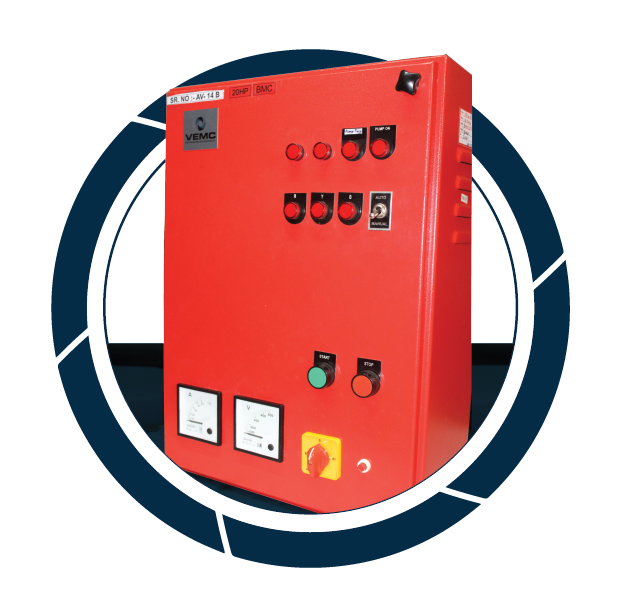
A Motor Control Center is an assembly that controls some or all of the electric motors in a central location. It consists of various components like starters, fuses and circuit-breakers. All of these play the corresponding function of starting, controlling and protecting the motors and are assembled in an integrated panel. MCCs are mostly found in large commercial and industrial buildings where these are used to control a large number of widely deployed electric motors in an efficient and easy way.

MCC Control Panel VEMC Make

An MCC panel consists of a Power Circuit, Control Circuit and Protection. The Power Circuit supplies electric power to the motors and the Control Circuit regulates the sequencing of the contactors and also operates the fans in auto or manual mode. Protection mechanisms like the thermal protection circuit in the panel ensure that the motors are protected from overheating and short-circuit. Contactors, overload relays to protect the motor, fuses and a disconnecting switch, used to isolate the motor circuit, are all parts of an elaborate design of an MCC.

There are different types of Motor Control Centers, based on the voltage supplied, the type of operation, and module division.

Based on the voltage supplied:

MCCs can be classified as Low Voltage and Medium Voltage. Low voltage MCCs are used for low voltage three-phase alternating current motors from 230V to less than 1000V. Medium-voltage MCCs on the other hand are used for large motors requiring around 1000V to 15000V.

Based on the type of operation:

  • Combination starter motor: This comprises of several main equipment such as Molded Case Circuit Breaker (MCCB), magnetic contactor, over-interference safety relay and control transformer.
  • Manual operation: This type of MCC is used to control a motor that has a maximum power of 10 HP. The starter is manually operated through an on-off switch which also acts as a safety device for overload interference.
  • Adjustable speed controller: This type of MCC enables the motors to change their speed by changing the voltage frequency on the motor.

Based on module division:

  • Fixed type: In this type of MCC, components like the starter, contactor, thermal overload and others are completely integrated with the frame.
  • Semi draw out type: In this type of control center, the voltage source section can be separated from the plug-in system so that if there is damage to one module, it can be removed without interfering with the other systems.
  • Fully draw out type: In this type of MCC, all the components can be removed in case of damage, and repaired outside the panel without interfering with the function of the other modules.

As one of the top MCC panel manufacturers, we would be happy to assist you in finding the best match based on your requirements. Feel free to get in touch with our experts on +91 98199 07445. One of India’s best solar companies with 72 years of market experience, VEMC provides end-to-end solar EPC services to its clients. VEMC is ISO 9001:2015 certified and is one of the most renowned control panel manufacturers in the market. Being one of the leading custom control panel manufacturers, our valued clients are provided with tailor-made solutions to fit all their needs.

Motor Control Center (MCC) Installation for Sewage Disposal at IIT Bombay

Located between the Powai and Vihar lakes of East Mumbai, IIT Bombay has a sprawling campus of about 550 acres. The green cover of the campus has been maintained over the years and gives the campus an idyllic appearance. The institution authorities have, in fact, been very keen on embodying and exemplifying a sustainable spirit towards education and research. Sewage disposal of this massive campus, with nearly 600 major buildings, had to be in line with the same spirit.

MCC Control Panel installed at IIT Powai

Challenge

The organisation was looking at a sewage disposal solution which combined the benefits of automatic operation as well as energy efficiency. The most important consideration was to reduce human intervention. The control panel had to be designed so as to avoid energy wastage and ensure the highest efficiency. Finally, an emergency alarm mechanism had to be installed for sudden spurts in sewage.

Our Solution

After a thorough feasibility study of the existing disposal system at the campus, we designed a motor control center (MCC) panel, considering the requirements of control, safety and efficiency. Detailed Single Line Diagrams and General Arrangement Drawings were discussed with the client. Components of the highest quality were used and a state-of-the-art graphical display was installed for tracking parameters such as voltage, current and frequency.

Working of the MCC panel 

The working logic formed the core of our sewage disposal solution. The sewage tank was calibrated with markers of 20%, 40%, 60%, and 80%, and all pumps were to be OFF with sewage levels below the 20% (Low) mark. As soon as the sewage fluid would rise above the 40% (High) mark, Pump #1 would start and stop only when the fluid levels dropped below the 20% mark. In case the fluid levels rose above the 60% mark (Very High), Pump #2 would start and run alongside Pump #1. If the fluid levels crossed the 80% (Very Very High) mark, Pump #3 would start and run alongside pumps #1 and #2. An alarm would also go off as soon as the fluid level crossed the 80% mark. As the level of sewage fluid dropped through the markers, the pumps would stop running, one at a time, in the first in first out (FIFO) mode. Finally, with the sewage fluid dropping below the 20% (Low) mark, all pumps would stop and the cycle of running the pumps would change to ensure equal usage of all pump sets.

The Impact

This working logic ensured the proportionate usage of pumps in response to the volume of sewage in the tank and also used all the pump sets equally, to avoid wear and tear of only one or a few pumps.

For any assistance that you might need, feel free to contact us on +91 98199 07445. With 72 years of market experience, VEMC provides end-to-end EPC services to its clients. VEMC is ISO 9001:2015 certified and CRISIL MSE-1 rated, and a pioneer in the field of electromechanical engineering products, allied equipment, and services.
How Solar Operation and Maintenance Can Optimize Your System Performance

As solar plants get older, they need operation and maintenance to maximize output. It not only enhances the lifespan of the solar plant but also deals with failures and defects. Solar system owners are increasingly concerned about the longevity of their systems and are paying attention to the critical role of operation and maintenance. The frequency and degree of maintenance of solar systems depend upon the installation type, system configuration and location of the setup. 

Here’s how solar operation and maintenance services can increase the performance of your solar power system.

  1. Performance monitoring: It is important that your solar power system works at its peak efficiency and maintains high output levels at all times. To gauge the performance of the system, continuous real-time monitoring is needed. The foremost task involves establishing a performance baseline against which various parameters are continuously compared, followed by steps to mitigate deviations. This helps to keep any shortfall in performance under check and subsequently plan the necessary corrective action.
  1. Preventive maintenance:  To avoid direct and indirect costs related to sudden system breakdown, a timely inspection of components and devices is necessary. Cables, inverter, combiner boxes, photovoltaic panels and remote monitoring devices must be in good working condition. Preventive maintenance includes, but is not limited to, adjustments, cleaning, lubrication, repairs and replacements. Timely preventive checks and actions help the system maintain top levels of performance and also anticipate any possibility of a breakdown.
  1. Corrective maintenance: Despite all the efforts at performance monitoring and preventive maintenance, a system breakdown could be encountered. For situations like these, a comprehensive plan of action has to be ready. Corrective maintenance involves activities performed in order to restore a PV plant system, equipment or component to its original working condition. These include reporting, diagnosing, troubleshooting and providing repair or replacement to restore the system to fully operational status. In some cases, involving a Defect Liability Period (DLP), backup parts may be needed to keep the system running while the equipment is sent back to the vendor for a warranty claim. Although a certain amount of corrective maintenance will be required at some point during the long lifespan of a solar power system, it can be lessened through proactive preventive maintenance and performance monitoring, thus calling for a holistic approach towards operation and maintenance.

The long lifespan of photovoltaic systems necessitates the management of maintenance and breakdown costs over a long time horizon. While the installers usually brief the customers on details of maintenance checks to be carried out at regular intervals, the safest and most effective maintenance service can be provided by solar professionals conversant with system components and their safety procedures.

For further information on any aspect of solar energy, feel free to contact us on +91 98199 07445. We would be happy to assist you in finding the best match based on your requirements. With 72 years of market experience, VEMC provides end-to-end EPC services to its clients. VEMC is ISO 9001:2015 certified and a pioneer in the field of electromechanical engineering products, allied equipment, and services. 
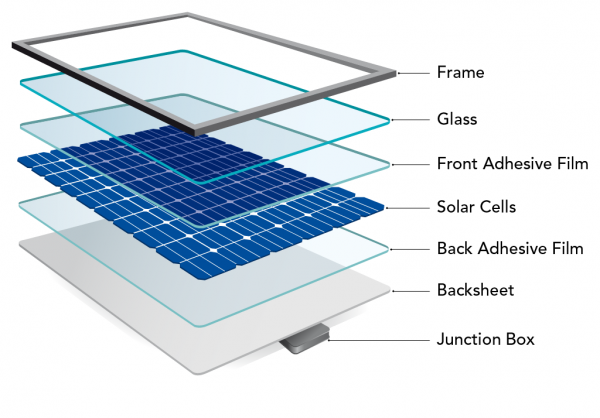
Types Of Solar Panels And The Best Fit For Your Commercial Needs

One of the foremost choices to make when it comes to procuring a solar system is with regards to the type of solar panel you wish to install. There are broadly three types of solar panels available and each differs from the other in terms of cost, efficiency and aesthetics.

Monocrystalline Panels

This type of panel gets its name from the fact that each cell in the panel has a single crystal of silicon which allows free movement of electrons through the cell, taking its efficiency upto 20% and more. High efficiency means lesser requirement for space and hence, these panels are best suited for residential use as space can be managed efficiently. Monocrystalline panels contain either 60 or 72 cells, depending on the size of the panel. The silicon cells are in the shape of black squares with their corners cut off, giving the panels a deep black aesthetic look.

Polycrystalline Panels

Multiple crystals go into making each cell in these panels which restrict the free flow of electrons through the cell. Their efficiency ranges between 15% and 17% but with increasing innovation in technology, this is expected to improve. Compared to Monocrystalline panels, these panels require more space and therefore, may be slightly challenging to accommodate in a residential setting. These panels also contain 60 or 72 cells but multiple crystals give them a marbled blue appearance, which may not be aesthetically pleasing. However, Polycrystalline panels are more affordable which, despite factors like space and efficiency, has enabled the product to make galloping strides even in the residential market segment in recent years.

Thin Film Solar Panels

These panels are solid black in colour and do not have any silicon cell outlines. Being lightweight and flexible, these are easy to carry and install. Thin-Film panels are the least energy-efficient (10-13% range) and are only suitable for large establishments like industries and utility solar projects with ample space. Being extremely cost-effective due to low energy efficiency and ease of installation makes these panels all the more suited for large-scale commercial establishments. These have a very short life expectancy and require frequent replacement. Depending on the material they’re made of, these panels can be both blue and black.


If you need some assistance to decide on the solar panel that suits your needs the best, feel free to contact us on +91 98199 07445. We would we happy to assist you in finding the best match based on your requirements. As one of India’s best solar companies, having 72 years of market experience, VEMC provides end-to-end Solar EPC services to its clients. VEMC is ISO 9001:2015 certified and a pioneer in the field of electromechanical engineering products, allied equipment, and services. Our sub-brand VEMCO Solar (Check out our solar story) is a market leader in solar system solutions — be it solar plant erection, procurement, commissioning, solar metering system, or electrical connections. At VEMCO Solar, our valued clients are provided with customised solar services solutions to fit all their needs.

Different Types of Ground-Mount Solar Racking Systems

Traditional ground-mounted solar systems are set up by anchoring panels in the ground. These panels hold a large number of stacked panels. But as there are different types of foundations, anchoring to the ground is the most challenging part of these installations. 

In case of clear soil with no debris, steel beams are simply driven into the soil and the racking system is attached to these beams. However, in situations where the soil is not visible and the ground is littered with boulders, anchor systems may be used, in which, helical piles and ground screws are driven into the debris.

Let’s take a look at the different types of ground-mounted solar systems. 

Regular Ground-Mount System: This is a conventional setup in which the photovoltaic panels are held in place by racks or frames that are attached to ground-based mounting support. The mounting support may comprise of pole-mounts that are driven into the ground or embedded in concrete. Alternatively, foundation mounts such as concrete slabs or poured footings may be used.

Capped Landfill: This is an innovation in the solar sector wherein the ground-mounted systems are not fitted into the landfill grounds but are instead ballasted on it, just like they are on flat roofs. This is probably the best utilization of the surface of these otherwise abandoned landfills and brownfields. This kind of setup uses concrete and cast-in blocks to hold the system in place.

Tracking systems: To enhance energy output, tracking systems may be used. These are motorized ground-mounts that track the sun throughout the day exposing the panels to sunlight at all times. Single-axis tracking systems span the panels on long rows and only move them from east to west. Dual-axis tracking systems separate out tables of panels and follow the sun on a circular path. The latter ensures higher energy output. Trackers may be centralized, which have a single motor to move many rows of panels; or distributed, which have multiple motors to move the rows.

Carports and canopies: These are tall ground-mounts, erected mostly in parking lots of schools, universities and large business establishments. Interestingly, these can also be equipped with electric vehicle charging stations to plug in the vehicles parked underneath them.

Floating solar systems: Although not mounted to the ground, floating systems function exactly like panels positioned on a flat roof. These could be assembled on land and can float on water, with the addition of more panels. These are secured to shore mounts or floating anchors. Floating systems can help land and real estate, and are becoming increasingly popular in Asia and parts of Europe.
For more information on various types of solar racking systems, feel free to contact us on +91 98199 07445. We would we happy to assist you in finding the best match, based on your requirements. With 72 years of market experience, VEMC provides end-to-end EPC services to its clients. VEMC is ISO 9001:2015 certified and a pioneer in the field of electromechanical engineering products, allied equipment, and services. Our sub-brand VEMCO Solar is a market leader in solar solutions — be it solar plant erection, procurement, commissioning, net metering, or electrical connections. At VEMCO Solar, our valued clients are provided with customized plans to fit all their needs.

Our Solar Story: Installation of 360 kW Plant at MCGM Engineering Hub, Worli

Mumbai, the city that never sleeps, is a bustling metropolis. The Municipal Corporation of Greater Mumbai (MCGM) is responsible for the smooth running of key aspects of the city’s infrastructure like sewage lines, water supply system, roads, and garbage collection system. All this planning and execution is done at the MCGM Engineering Hub, Worli, which is home to chief engineers and senior executives of MCGM.

Challenge

Providing maximum working comfort to the staff who ensure such high levels of productivity on a regular basis is the top priority for the state-of-the-art facility. Ergo, it’s no surprise that electricity consumption at the building would run up to 2-3 lakh units every monthly, on average. This put a huge financial liability on the building maintenance department and added to MCGM’s overall carbon footprint.

Our Solution

VEMC’s undertaking of this massive project included the construction of a renewable energy system to produce onsite electricity. The idea was to set up a 360 kW solar plant and include a solar net metering connection with the support of BEST Undertaking. Prior to execution, VEMC created a detailed pre-feasibility study to ensure the viability of installing a rooftop solar project for a 25-year operational period. Everything from civil and structural stability to financial savings were explored in the study. Finally, detailed electrical single line diagrams (SLDs), shadow analysis reports, and structural design layouts for the solar modules were presented to the MCGM before proceeding to execution.

Execution

  1. Durability: To ensure a sturdy build, aluminium solar module mounting structures with 3-5 mm thick sections and 12-15 micron anodising, were crafted. Their durable and corrosion-resistant nature was perfect for the planned 25 years of the project. The plant was also designed to withstand wind speeds of up to 150 kmph and it has already been tested against two cyclones, with the speed of approximately 114 kmph, indicating that our design was accurate.
  2. Solar modules: With high efficiency and cost savings being major considerations, polycrystalline cells were chosen for the solar modules. As many as 1,075 modules were procured from reputed Indian manufacturers.
  3. Cables: On the direct current (DC) side, tinned copper cables were used for their resistance to UV and direct sunlight exposure. And for the alternating current (AC) side, armoured type cables were used to provide sufficient mechanical protection when hung or routed through their pathways. Module interconnection cables housed inside cable trays were installed on the roof with optimum clearance from the rooftop to avoid corrosion.
  4. Earthing: While early streamer emission (ESE) lightning arrestors were used, 10-feet deep chemical earthing pits were created for any possible current leakage in the system. This earthing system is completely maintenance-free and has a minimum lifetime of 10-15 years.
  5. Inverters: High-quality inverters from top brands were procured. Not only did they offer 5-year warranties, but they were also tested for IP65 protection and outdoor duty operation in the sun. All the inverters used abide by the International Electrotechnical Commission (IEC) standards required by the Ministry of New and Renewable Energy (MNRE), Government of India, and have surge protection devices (SPDs) and built-in fuse boxes.
  6. Control panel: All the low tension alternating current distribution board (LT ACDB) panels provided were Central Power Research Institute (CPRI) approved, and had copper busbars, appropriate switch gears, quality enclosures, and detailed designs. This meant ample protection for the solar plant and other equipment on the site. Moreover, the LT panels used had in-built multi-function meters to record data like energy generated, current, and voltage.

Impact

The benefits include:

  • An estimated generation capacity of 4.87 lakh units or 500400 kWh annually.
  • An estimated reduction in CO2 emissions by 412 metric tonnes annually and 8250 tonnes over the entire lifespan of its operation. 
  • A 500.4 ton reduction in the building’s carbon footprint.

VEMC, a 72-years young organisation, is a pioneer in the field of electromechanical engineering products, allied equipment’s, and services. Leveraging the decades of experience, VEMCO Solar (Check out our solar story), was able to successfully execute the MCGM project and deliver results. VEMCO Solar is a market leader in solar solutions — be it solar plant erection, procurement, commissioning, net metering, or electrical connections. If you have any requirement, please feel free to contact us on +91 98199 07445. We would be glad to assist you.