
VEMC-Blogs

A GenNext Technology In The Pump Industry – KirloSmart

Kirloskar Brothers (KBL) is one of the leading pump manufacturing companies in India. Based out of Pune, they have years of experience in engineering and fluid management systems. They have recently launched an advanced version of its signature Internet of Things (IoT)-based pump monitoring system – KirloSmart.

Master Associate | Blog

KBL was the first company to launch this innovative solution in 2016 in India after testing it inhouse, at the Kirloskarvadi factory in 2010. With this launch, KBL lives up to its expectation of engineering excellence and inventing technology to improve customer satisfaction.

What is KirloSmart?

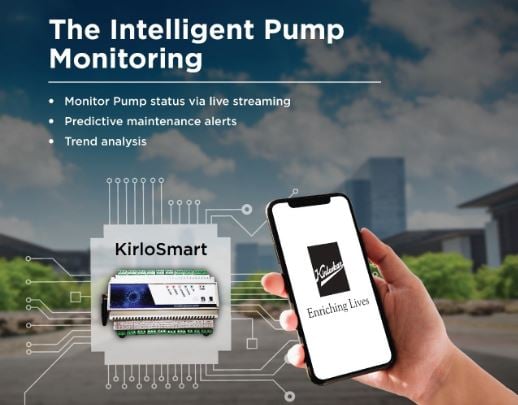
KirloSmart is an IoT product with a specialized capability of remotely monitoring pumps through Kirloskar Brother’s web portal, triggering alerts when the pumps are not showing problems.

KirloSmart merges hardware and software technology to enable the user to remotely monitor and troubleshoot pumps on a real-time basis with zero manual intervention. It helps predict and come up with corrective measures to prevent unnecessary breakdowns and ensure that the pump is healthy enough to offer optimum performance. This works by transmitting the analytical field parameters of the pump on the KBL web-based portal and interactive mobile app. These cloud services are completely SOC (System and Organization Controls) compliant.

Unique features of KirloSmart

Some of the advantages of the KirloSmart system are:

  1. Predictive maintenance alerts with probable causes through email and SMS
  2. 24×7 real-time monitoring, historical data and trend monitoring, and graphical indications
  3. Remote diagnosis of the issues at the earliest stages
  4. Pump spares management such as estimation of service life
  5. Backup storage in case of communication failure
  6. User configurable sensors
  7. Communication mode selection such as mobile data, GPRS, and ethernet
  8. Cost-effective, simple plug and play
  9. Facilitates easy integration with existing integrations

Benefits of KirloSmart

The benefits of using KirloSmart for your commercial space are:

  • Boosts profitability by reducing operational costs, repair costs, and labour costs
  • Reduces chances of unplanned breakdowns and improves plant safety and reliability
  • Boosts lifespan of equipment and reduces down time
  • Eliminates costs of assets such as servers, modems, and computers
  • Boosts equipment productivity and efficiency

IoT based pump monitoring solution

With the help of IoT technology, KirloSmart generates alerts for the possible causes of pump failures through built-in analytics and spare management modules. This helps pump owners monitor pump health and measure the critical health parameters of the pump. It also helps them in prompt diagnosis and resolution of issues. The system can also send alerts and notifications through SMS, email, and push notifications.

VEMC supplies KirloSmart to IIT Powai

IIT Powai wanted to monitor the performance of their pumpset installed for freshwater application. For this, VEMC was to employ a person daily.

However, by introducing KirloSmart, VEMC was able to monitor the performance of the pumpset without any human intervention.

The benefits achieved as a result were long-term and involved reduction in manpower requirement and replacement with IoT-based machine.

For further information on IoT and smart pumps, motors, and other equipment, feel free to contact us at +919819907445. KBL is a pioneer in remote pump monitoring technology and we would be happy to assist you in finding the best match based on your requirements. VEMC is an authorized KirloSmart dealer. It is ISO 9001:2015 certified and a pioneer in the field of electromechanical engineering products, allied equipment, and services.
6 Air Compressor Maintenance Tips to Avoid Breakdown

Air compressors of all makes and models require varying degrees of maintenance. Whatever the model or quantity of compressors you use for your operations, it’s essential to regularly inspect the parts and service them, whenever necessary. Failure to perform routine maintenance on your compressors can lead to early failure or expensive repairs.

Air Compressor Supplier Johor Bahru (JB), Rotary Screw Compressor Supply  Malaysia, Air Receiver Tank Suppplies ~ JCompressor Services Sdn Bhd

Here’s a short guide on how to keep your air compressors running at full capacity:

1. Drain your air receiver tank

Use the drain and plug at the bottom of the compressor to drain the air from the compressor’s air receiver tank. Collection of air in the machine leads to the accumulation of water and moisture while the machine is running, especially during summer, when humidity is higher. The moisture gets collected in the receiver tank and if not drained regularly, it can lead to corrosion of the receiver tank and piping. An automatic and a manual bypass drain during daily inspections is ideal.

2. Inspect the hoses

Hoses are often the most vulnerable parts of compressors because they need to be strong enough to transfer air between the machine and the final point, which can put a lot of strain on them. Checking your hoses on a weekly basis is extremely important. Cold weather also affects hoses — it causes them to crack or corrode and hence leak. Routine checks are ideal for keeping the hoses clean and leak detection devices are ideal to find the leaks.

3. Alter the air filter

Air filters usually trap a lot of junk. The filters are designed to bear a heavy load, without which, a lot of impurities will accumulate and degrade the performance of the compressor. This contamination is critical for industries such as food and beverage, hospitals, and labs. Air filter inspections should be done regularly, especially in dusty conditions.

4. Clean the intake valves

The intake valves of an air compressor must be clean to function fully. When compressors are put to constant use, dust particles and other elements get sucked into the vents. Cleaning the vents at least once every three months is essential.

5. Change the oil

The compressors that run on oil need the oil to be changed regularly as well. Fresh oil helps run the various parts of the engine smoothly. Especially in humid conditions, the oil loses its viscosity and fails to lubricate the different parts.

6. Get it inspected by a professional service team

Allowing a professional service team to regularly check leaks and perform preventive maintenance and required repairs, can offer a lot of peace of mind. Scheduling this regular maintenance can help save time and money in unnecessary breakdown repairs.

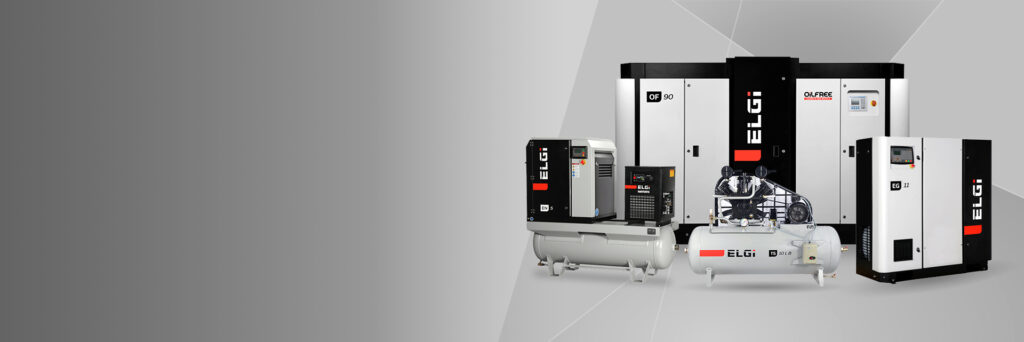
Keeping your air compressors healthy and functioning smoothly is essential and possible through regular maintenance. VEMC is an authorized ELGi air compressor dealer and provides end-to-end solutions for all your industrial energy requirements. Guided by more than 72 years of industry expertise, we aim to offer you specialized support in this space. VEMC is ISO 9001:2015 certified and a pioneer in the field of electromechanical engineering products, allied equipment, and services. Please feel free to contact us at +91 98199 07445, and we will be happy to assist you.

Success Story: The Installation of Vertical NK Pump sets at MCGM Mahim Pumping Station

This project was carried out at the sewage pumping station on Swami Vivekananda Road in Mahim, Mumbai. VEMC, a leading dealer of industrial water pumps in Mumbai, was proud to have bagged and worked on the project.

Pumping station | Egger Pumps

Nature of the Project

VEMC supplied vertical NK pump sets and valves to the MCGM Mahim Pumping Station. It also took over the successful supply, installation, testing, and commissioning of pump sets and associated valves.

Execution

The execution of this project happened in 4 stages:

  1. Procurement of material from KBL and Jyoti
  2. Pre-dispatch inspection of the motor in Gujarat, pumpset at KOV, and valves at Nashik in the presence of MCGM officials
  3. Dispatch of materials to the site
  4. Installation, testing, and commissioning of the installed system

Challenges Faced During the Project

The VEMC team faced quite a few roadblocks during the project:

  • The unloading phase was challenging. The unloading of material at the site was a bit difficult due to inadequate space for hydra. Moreover, the location was a high-traffic road and hence, a lot of intervention from the traffic police was required.
  • The installation location was 70 ft below the surface level. Hence, transporting the materials i.e., the pump and motors, to the location was not very easy.
  • Installation of valves in the existing pipelines because they were completely corroded.
  • Fabrication of duck foot bend from pump suction to the valve in CIDF.
  • During the delivery stage, dismantling the joint connections seemed a bit difficult due to space constraint and fitting issues.

How VEMC Overcame the Roadblocks

VEMC took proactive steps to ensure that the execution went smoothly. Here are the ways in which we overcame the challenges:

  • Completed the unloading work at night to avoid traffic issues
  • Closed penstock gates every night during the installation of suction valves. This was carried out efficiently even though it was difficult since sewage water was blocking the valve path.

Safety Measures Taken During the Project

VEMC ensured that the entire execution happened in adherence to all safety measures. To this end, all team members were provided with safety hand gloves and shoes.

Takeaways

Some major takeaways from the project were:

  • Execution planning and how to align the execution with the bar chart/methodology
  • Time management to ensure the project was closed within the stipulated time

Outcome of the Project

With VEMC’s successful installation, the client experienced smoother operations as well as reduced maintenance needs and costs.

For more information on industrial pumps, motors, and other equipment, please contact us on +91 98199 07445. VEMC is ISO 9001:2015 certified and a pioneer in the field of electromechanical engineering products, allied equipment, and services. For inquiries, contact us at marketing@vemc.co.in.

Why is it important to understand the difference between gauge and absolute pressure?

Pumps and similar systems are built in a way so as to generate and retain pressure. In gas-based systems such as air compressors, the pressure is fairly low. This is because gasses when compressed incessantly makes air molecules huddle nearer to each other in the application of energy. This pressure doesn’t extend to the tubes or chambers of the compressed air systems.

In brief, pressure can be defined as a force acting over a certain area. It’s most commonly measured in pounds per square inch (psi).

There are multiple systems to measure pressure. Two of the most common ones are absolute and gauge pressure. There are quite a few differences between the two that have considerable impact on their use and measurement. Once the purpose behind measuring pressure is identified, the next step involves choosing which system to use: gauge or absolute pressure. This is a crucial decision since choosing the wrong system can severely impact the accuracy of measurements.

The pressure inside a compressed air system is comparatively lower. Hence, even minor deviations such as 10 psi or 20 psi can lead to major operational issues.

Here are the differences between the two systems in great detail:

Gauge Pressure

It’s one of the most commonly used systems of measurement and uses atmospheric pressure as its base value. So, any chamber will equalize based on the atmospheric pressure, when vented. This makes it easy for calculations and tests since the atmospheric pressure doesn’t have to be subtracted.

Also known as effective pressure, gauge pressure is signified by BARG or BARE and PSIG or PSIE.

Absolute Pressure

Comparatively, absolute pressure is used less frequently, since it signifies zero pressure or a perfect vacuum. A good example of the measurement of absolute pressure can be that of barometric pressure.

Absolute pressure is commonly signified by BARA and PSIA.

Choosing the right system: gauge or absolute pressure

The most fundamental difference between gauge and absolute pressure is that gauge pressure uses atmospheric pressure as its base or zero point whereas absolute pressure uses absolute zero as its base or zero point.

So, if the idea is to measure a type of pressure influenced by atmospheric pressure, it’s best to use a gauge pressure. It will help measure the pressure minus the atmospheric pressure. This is the system used to measure the output of pressure of air compressors.

Again, if the idea is to measure a type of pressure not influenced by atmospheric pressure, absolute pressure is used as a reference. An example of this can be leak testing a sealed container.

VEMC, an authorised Kirloskar pump dealer in Mumbai, supplies centrifugal and industrial water pumps that are ideal for both commercial and industrial operations. We provide the best end-to-end project management services to our clients. For more information on industrial pumps, motors, and other equipment, feel free to contact us at +91 98199 07445. VEMC is ISO 9001:2015 certified and a pioneer in the field of electromechanical engineering products, allied equipment, and services.

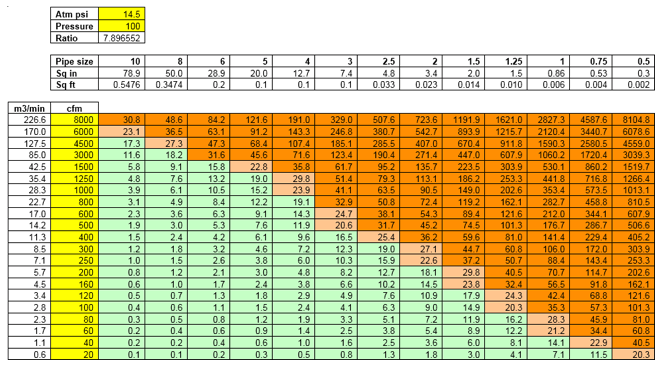
What type of piping is needed for my compressed air system?

Compressed air systems find use in various industries such as construction, automotive, metal-work, and wood-work. Tools used in these industries require compressed air to run and since they don’t need motors, they are lightweight and handy to use.

Compressed air systems work best when air is released from the system at the right pressure, volume, and consistency. These systems can run the risk of miscalibration which robs them of their power and leads to rust and debris build-up in the pipes.

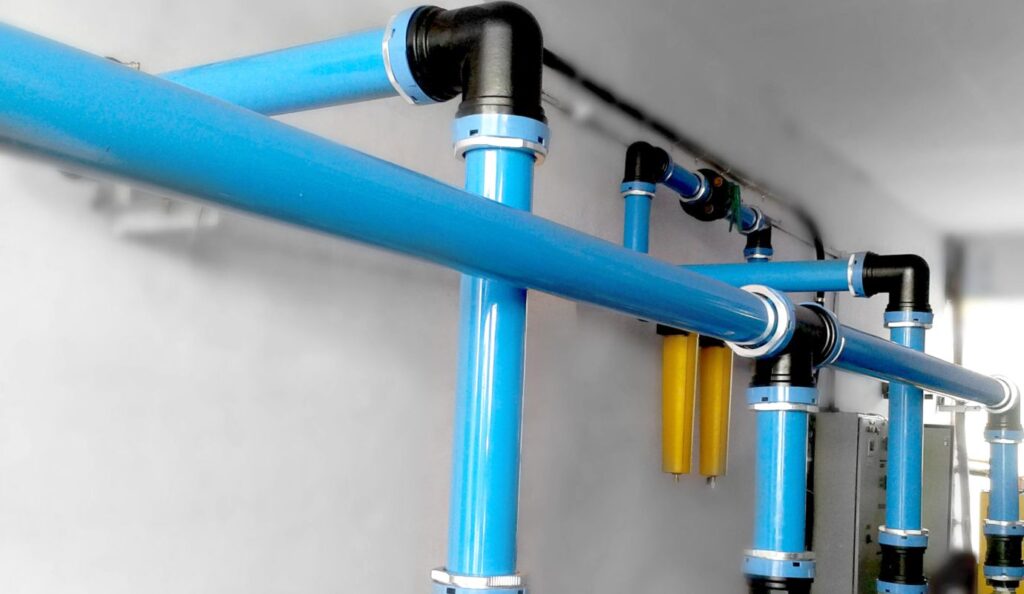
This makes choosing the right air compression system as well as its parts integral to their efficient functioning. Pipes are one of the most critical components in a compressed air system and defective and inefficient pipes can often lead to loss of power. Moreover, obstructions and blockages, moisture build-up, and sharp angles can also affect the pressure of compressed air systems negatively.

Paying proper attention to the size, layout, installation, and maintenance of pipes used in compressed air systems is a prerequisite to ensuring their powerful performance. Two materials usually go into making pipes: plastic and metal. Of these two, metal pipes are the preferred choice for compressed air systems.

Here are some of the common types of metal pipes used for compressed air systems along with things to consider when choosing them:

  • Black steel pipes are the most commonly used ones because they are strong and durable. However, it can be time-consuming to install them and they are also susceptible to corrosion. There’s also the risk of the threaded connections slipping and leaking.
  • Another widely used type is galvanised steel pipe. They help solve the corrosion problem. However, in some cases, the galvanised coating can come off and cause blockages in the air flow.
  • Copper pipes come with a lot of advantages. They are free from corrosion from condensation and are easy to cut and weld. They are lightweight and come with a wide range of fittings to choose from. Their smooth interior means that they can sustain solid laminar flow. However, they can be a bit expensive since they require time and skill to install, especially the threading and soldering bit.
  • Aluminium pipes can also be a good choice since they are lightweight, durable, and anti-corrosive. They’re also easy to install and maintain than other types. The only downside is that it can be as expensive as copper.
  • Stainless steel pipes are corrosion-free, both from the inside and outside. Moreover, they are easy to weld and press. However, they can be heavy and the material cost can be on the higher side.

VEMC, an authorised ELGi compressor dealer in Mumbai, supplies ELGi air and reciprocating compressors that are ideal for both commercial and industrial operations. Our range of screw and piston (reciprocating) compressors are cost-effective and long-lasting solutions for light-to-heavy-duty industrial applications. To know more about our range of compressed air systems and for help in choosing the right one, contact us on +91 98199 07445. VEMC is ISO 9001:2015 certified and a pioneer in the field of electromechanical engineering products, allied equipment, and services.

How often should I change the oil in my pump/piston?

How often should I change the oil in my pump/piston?

Air compressors need to be in optimum condition to give the best performance. Maintaining them properly ensures that they last long and help save money in the long run. There are several maintenance routines to consider for a smooth-functioning air compressor. One of the most important routines is changing the oil in the pump or piston of the air compressor. While focusing on other maintenance routines, many people overlook this one, which often leads to poor performance of the air compressors and, in some cases, also causes damage to the systems.

Why is it important to change the oil?

The oil in a compressor has several functions apart from lubrication. It helps the compressor parts to cool down so that the motor doesn’t overheat. The oil also acts as a sealing agent during the compression process.

If the compressor doesn’t have enough oil, it may not perform as efficiently as it’s supposed to. Low oil levels cause the compressor to overheat since air compression produces heat and oil absorbs the heat. Moreover, low oil levels also increase friction, which can lead the compressor to overheat. It’s also important to replace the contaminated oil from the air compressor regularly. Failing to replace the old oil with new oil causes debris and particles to build up and hampers its smooth functioning. Lack of sufficient oil can also increase the chances of rust, wear and tear, and corrosion. Finally, oil has a tendency to oxidise in the presence of water and heat. This reduces its effectiveness which can lead to costly breakdowns.

In some systems, overheating leads to an automatic shutdown. In such situations, the compressor can be used again only after it has cooled down and the oil has been replaced.

How often should the oil in an air compressor be changed?

Air compressors need consistent lubrication to prevent friction on the pumps or pistons and hence, the oil level must be checked regularly. The frequency of changing oil in compressors depends on the type of compressors used. Some compressors need more frequent changes than others and it’s best to consult the user manual that comes with the system. It’s possible to even find the life expectancy of some oils in terms of service hours in some of the manuals.

For rotary screw compressors, the oil should ideally be changed every 2000 hours or 12 months, whichever is earlier. For reciprocating air compressors, the oil needs to be changed every 3 months.

Performing an oil analysis that checks for important factors such as viscosity, particle count, water contamination, and total acid number (TAN) can help determine when to change the oil. It’s ideal to conduct an oil analysis every 500 to 2000 hours, depending on the user manual and the warranty.

VEMC, an authorised ELGi compressor dealer in Mumbai, supplies ELGi air and reciprocating compressors that are ideal for both commercial and industrial operations. Our range of screw and piston (reciprocating) compressors are cost-effective and offer long-lasting solutions for light-to-heavy-duty industrial applications. To know more about our range of compressed air systems and for help in choosing the right one, contact us on +91 98199 07445. VEMC is a 72-years-old young organization with ISO 9001:2015 certification and is CRISIL MSE-1 rated.

Solar Success Story: Successful installation of solar rooftop system for a commercial building

Solar Success Story

VEMC, a 72-year-old solar power company in India, has played an integral role in helping companies transition from electrical to solar energy. It has helped companies adopt smart solutions in solar power and taken over the end-to-end execution as well. In this blog, we take a look at how VEMC helped install solar rooftop systems and inverters on the industrial rooftop of Caravan Logipark Pvt. Ltd. and executed the project successfully. The site is located in Koproli, Uran, in the state of Maharashtra. The building authorities were looking to reduce their energy consumption and substitute it with a renewable source of energy.

Challenge

The main challenges arose during the excavation work for AC cabling. The first step was to trench the road where there was already a lot of vehicle movement. Next, the cable had to be placed and sand and bricks had to be filled on the top or bottom of the cable. During the final termination phase, the grid had to be shut and the connection terminated. However, there was cold storage which couldn’t be shut for more than 15 minutes; otherwise the food stored will get spoilt. There was also a dearth of continuous light and so, it was arranged source like DG for cold storage.

Our Solution

VEMC steered the success of this project with effective time, cost, quality, team, procurement, and communication management. One example of this was during the excavation work for AC cabling. The team took the smart decision of trenching half the road first and installing the cables, and then taking up the other half. This ensured that vehicle movement wasn’t hampered. Moreover, the team worked at a stretch during shut down and ensured the DG was loaded at the same time as the grid shut down.

Safety Measure During Execution

VEMC ensured the execution of the installation was done with all safety measures in mind. Some of the measures taken were:

  • Avoiding the use of mobiles or electronic devices during the installation
  • Using crane and forklift managed by trained experts for unloading of modules and limiting the speed to 10 km/hr
  • Constant training of installation staff to avoid any damage to modules
  • Thorough checking of cable for damage before the cable routing process
  • Limiting the speed of the boring machine within 10 km/hr during the earthing process
  • Use of cotton, PVC, and leather gloves while fixing electrodes, handling backfilling compound, and connecting the electrical panel
  • Use of welding goggles, face shields, and aprons during the welding system

Our post-installation feedback revealed that the client had savings of 4-5 lakh units of electricity monthly from this system.

VEMC is a well-established solar power plant company in India and a pioneer in the field of electromechanical engineering products, allied equipment and services. With decades of industry experience, VEMCO Solar was able to successfully execute the Prince Care Zinnia project and deliver superior-quality results. VEMCO Solar is a market leader in solar solutions — be it solar plant erection, procurement, commissioning, net metering, or electrical connections. If you have any requirements in this space, please feel free to contact us at +91 98199 07445. We would be happy to help you.

Understanding the Basics of Fire Pumps

Understanding the Basics of Fire Pumps

Fire pumps form an effective part of a building’s fire protection system. This is especially the case for high-rise buildings, for example, buildings that are 400-500 ft and higher. The role of a fire pump in these cases is to distribute water through sprinklers to areas that fire-fighting equipment can’t access. Fire pumps help make fire-fighting safer and more structured.

A fire pump is a critical part of a fire sprinkler system since it supplies high-pressure water to the sprinklers. These centrifugal pumps can be used both for transportable use such as on fire fighting vehicles or as portable fire pumps or for stationary use such as hydrants and sprinkler systems.

Types of Fire Pumps

Here are the various types of fire pumps typically used for fire-fighting:

1. Vertical MSMO Pump set

These pumps are mostly used for offices, hotels, and residential buildings as sprinkler and hydrant systems.

Some of the benefits of using these pump sets are:

  • Reduces the need for multiple pumps for different head requirements
  • Helps in saving on constructing separate pumphouses
  • Prevents water shortage on individual floors
  • Vertical structure offers better mechanical stability
  • Allows more building space to utilize for selling/renting etc.
  • Requires less pipe work and valves
  • Ring section type diffuser construction completely eliminates radial loads
  • The suction/delivery pipe can be placed as per the user’s requirement throughout 360° with an interval of 90°

2. FM/UL Pump sets

These pump sets are ideal for use in commercial complexes, high-rise buildings, oil and gas on-shore and off-shore platforms, petroleum and petrochemical complexes, and power and transformation stations.

Some of the benefits of using these pump sets are:

  • Helps meet every site’s individual requirement
  • LCD display and control panel helps in easy operation and visual indication of conditions
  • Print-friendly and downloadable logs help in easy monitoring of the system
  • High-quality materials mean that there can be a reduction in corrosion and higher product longevity

3. Fire Sprinkler Set

These pump sets are ideal for showrooms, bungalows, or 2-storey buildings.

Some of the benefits of choosing this pump set are:

  • Plug and play packaged system delivered to site
  • Cost-effective solution for premises with limited space
  • Quality assurance from the manufacturer
  • Clean environment at site due to minimal activity
  • Digital display for monitoring pressure and faults
  • Precision control through pressure transmitter and controller
  • LED indications of pump status

Case Study

VEMC has a proven record of installing best-in-class fire safety systems for its clients. A classic example of this is the project undertaken for One Avighna Park, which received 40 national and international awards for its excellence and exclusivity. VEMC helped supply the Fire-Fighting Control Panel that helped the fire pump start automatically when it detected a drop in pressure from the pressure switch.

VEMC is a leading fire-fighting pump dealer in Mumbai that provides best-in-class products and installation services to its clients. We would be happy to assist you in finding the best match based on your requirements. For more information on our fire-fighting solutions and control panels, feel free to contact us at +91 98199 07445. VEMC is ISO 9001:2015 certified and a pioneer in the field of electromechanical engineering products, allied equipment, and services.

11 Solar Tech Advancements of 2022

11 Solar Tech Advancements of 2022

Solar power is commonly associated with solar panels. However, there are several new solar panel technologies waiting to get launched or are already available in the market. They are revolutionizing not only solar energy, but also renewable energy production in general.

In fact, more and more viable solar energy solutions are becoming available in the market at comfortable pricing for easy adoption. Increased adoption of solar energy by both domestic and industrial consumers can reduce our collective dependence on fossil fuels.

Here are 11 solar energy advancements to keep an eye out for in 2022:

  1. Solar Half Cells – These are solar cells sliced in half. The lesser the resistance from PV cells, the greater the flow of electrons in the circuit, leading to higher efficiency.
  2. Floating Solar Farms – Also known as floatovoltaics, these are solar power systems floating on reservoirs, dams, and other water bodies. They offer greater efficiency, are cheaper, and help save a lot of space. Being on water also prevents them from overheating. This leads to higher energy production and lower maintenance costs.
  3. Building-integrated PV (BIPV) – These panels can be added to skyscrapers in the city without taking away their architectural beauty. PV glass can allow sunlight to enter as well as conserve energy. The customized panels can be added to architectural elements such as canopies and terraces.
  4. Microinverters – Inverters help convert solar energy into electricity. With modern advancements, they have transformed into module-level power electronics (MPLE) or microinverters. They are not only more efficient — recording 96.5% efficiency — but are safer as well. Even if one microinverter stops working, the others keep working, maintaining efficiency.
  5. Solar Batteries – These offer access to solar power even after the sun goes down. They come in a range of sizes and can charge multiple appliances and even an entire house. They offer higher energy independence while reducing carbon footprint.
  6. Solar Monitoring Systems – They can be used leveraging the Internet of Things (IoT) and can be accessed through apps or the web. These devices provide a lot of information such as individual device insights and power usage.
  7. Solar skins – Similar to ad wraps on bus windows, they offer high efficiency due to selective light filtration advancements.
  8. Photovoltaic Solar Noise Barriers (PVNB) – This innovative concept leverages over 3,000 miles of traffic noise barriers to create solar energy of around 400 gigawatt-hours (GWh) annually.
  9. Solar Fabrics – These help us generate our own energy with built-in solar filaments in t-shirts, winter coats, and other clothing. They can also be used to keep us warm or charge phones.
  10. Solar Water Purifiers – These solar-powered desalination systems can provide around seven litres of drinkable water per hour, for each square meter of the solar network. This means they can produce drinking water enough for 2,213 people daily.
  11. Solar aeroplanes – These vehicles are covered with lightweight solar panels that gather energy and collect them in onboard batteries to use post-daytime.

These promising new techs are making solar energy more efficient, safer, and affordable for all.

VEMC is one of the top solar EPC companies in Mumbai. It helps with the installation and commissioning of various solar products such as inverters, panels, optimizers, and batteries. To know more about our range of solar solutions and for help in choosing the right one, contact us on +91 98199 07445. VEMC is a 72-years young organization with ISO 9001:2015 certification and is CRISIL MSE-1 rated.

SP Coupled Pumpset With IE5 Motor — The Ultra Premium Efficiency Pump

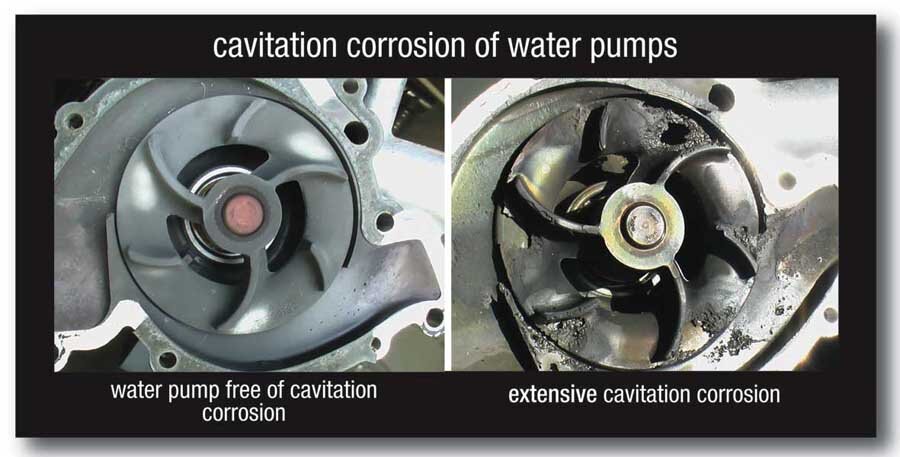
Kinetic pumps propel large volumes of fluid at low pressure, while positive displacement pumps move relatively small volumes of fluid at high pressure. Before further pressure or velocity can be increased, a certain level of pressure is necessary to get the fluid to flow into the pump. Cavitation (the creation of a void space in the pump that is typically filled with liquid) will take place if the inlet pressure is too low. Cavitation is frequently caused by the vaporization of liquid in the suction line. A greater pressure zone causes the vapor bubbles that were brought into the pump with the liquid to collapse, which causes excessive noise, vibration, corrosion, and erosion. The necessary inlet pressure, the capacity against a specified total head (energy per pound owing to pressure, velocity, or elevation), and the % efficiency for pumping a certain fluid are crucial features of a pump.

What is an SP Coupled Pumpset with IE5 motor used for?

  • Handling mild chemicals, effluents, sewage, ashwater, etc.
  • Handling flood and rainwater. foundation, trench, and pit drainage
  • Water pumping from ships, ports, and docks. removing stored water from parking lots, roads, and basements, etc.
  • Cooling water for shovels, piling equipment, and marine motors.

If your business has any of the above needs, you should consider contacting industrial water pump dealers in Mumbai to help you out.

Why go for a SP coupled pumpset with IE5 motor?

  • They function with extremely high efficiency, leading to more productivity with lesser energy consumption.
  • Lower operational costs and lower life cycle costs.
  • For the same amount of fluid to be pumped, up to 16.5 percent less energy is required.
  • They contain superior F-Class insulation.
  • Strong construction to handle significant power fluctuations ensures the equipment’s dependability, safety, and longevity.
  • High efficiency AC induction motor design results in tough and best suited to work in a variety of field circumstances.
  • Since permanent magnets, additional accessories, and control equipment are not used, local operations, maintenance, and servicing are simple.
  • They come with a CED Coating applied as an effective method of preventing oxidation and erosion.
  • Longer life due to corrosion resistance.
  • They are self-priming pumps which are useful if a pump has to be located above the level of the liquid to be pumped.
  • Its ability to handle suspended soft materials up to 10.5 mm in size without clogging makes it ideal for dewatering and wastewater applications as dewatering pumps.
  • Ensure consistent performance and extended component life by reducing vibrations to prevent components from damage during operations.

For more information on industrial pumps, motors, and other equipment, feel free to contact us at +91 98199 07445. We would be glad to assist you in finding the best match for you based on your requirements. VEMC is an authorized dealer of Kirloskar dewatering pumps, and provides end-to-end project management services to its clients. We are ISO 9001:2015 certified and a pioneer in the field of electromechanical engineering products, allied equipment, and services.

Does Colour Play a Role in the Way Solar Panels Function?

Solar panels are designed to absorb incoming solar radiation and use it to generate electricity. It is recommended that we shift our electricity needs from other non-renewable sources to solar energy as it is renewable, relatively safe for the environment, and cheaper to maintain. With the help of solar software, which has increased the effectiveness and usefulness of solar electricity, solar power is now widely used in utilities, businesses, homes, and other applications. It is interesting to note that majority of solar panels are dark blue and black in colour. However, coloured solar panels are also gaining in popularity. So, which colour solar panel is the best for you to buy?

Choosing the right solar panels for your project

Comparing two types of coloured solar panels

First, let’s compare the two most common types of solar panels- black monocrystalline and blue polycrystalline. Black coloured panels are more energy-efficient than blue coloured panels. This means that they require fewer solar cells to absorb larger amounts of solar energy. The advantages of this would be increased solar power generation and conservation of space. Black solar panels also come with a 25-year guarantee and so are well worth the investment. Blue solar panels on the other hand are priced lower and have a relatively low maintenance cost. It therefore can be said that monocrystalline (black) panels are more efficient than polycrystalline (blue) panels, however, this efficiency comes with higher costs. Furthermore, considering environmental factors, blue-coloured solar panels create less waste and generate a lower carbon footprint.

Other colours of solar panels

Other colours of solar panels are available mainly for aesthetic reasons. For example, green-coloured solar panels are recommended for areas surrounded by greenery as they can blend into the surroundings well. Similarly, some buildings may require solar panels of a colour similar to the colour of a building as black or blue panels could be distracting against a building of a contrasting colour. It is true that coloured solar panels come with higher prices and are less efficient. However, solar technology is rapidly growing, and efforts are being made to increase its efficiency and make its availability cheaper.

VEMC, one of the top solar companies in Mumbai, provides solar panel installation in Mumbai. VEMC provides solar o&m services as well. For more information on our products and help selecting the right ones for you, contact us at +91 98199 07445. With over 72 years of industry experience, VEMC is ISO 9001:2015 certified and a pioneer in the field of electromechanical engineering products, allied equipment, and services.

What are the Basic Reciprocating Compressor Components?

A reciprocating compressor or piston compressor uses pistons that are aided by a crankshaft. The main function of the reciprocating compressor is to increase the level of pressure in gases.

A reciprocating compressor has several components that aid in the passage and compression of the gas. Each of these components plays a specific role and is equally necessary for the smooth functioning of the reciprocator compressor. 

Let’s take a closer look at the basic components of a reciprocating compressor:

Frame

The frame or crankcase is a sturdy structure that encloses all the rotating components. ELGI air compressor frames are square or rectangular shaped. In Integral Compressors, the frame is fitted to both the compressor and engine-powered cylinders which are driven by one crankshaft. 

Cylinders

Cylinders play a crucial role in containing the air that needs to be pressured. A compressor could have either large low-pressure cast iron cylinders or small high-pressure steel compressors. Cylinders help to keep the reciprocating compressor cool during the compression cycle. Reciprocating compressor dealers might also show you cylinders with replaceable liners that can be changed when damaged or worn out.

Distance piece

The distance piece is an intermediary component that attaches the low-pressure cylinders to the frame of the compressor. Due to the distance piece in ELGI air compressors, the cylinders can be detached if required. A distance piece could have a single, double or extra-long compartment arrangement. 

Piston

The piston is what compresses the gas within the cylinder. It is typically made up of a strong and heavy material that does not react with the gas in the chamber. You might find pistons made from aluminium or cast iron when looking for compressors at reciprocating compressor dealers.

Piston rings

Piston rings are placed around the piston. These rings could be either metallic-like bronze or non-metallic like a fluorocarbon compound. They are subject to friction as they come in contact with the inner walls of the cylinder and might wear out easily. Piston rings might have to be replaced regularly but help to protect the piston from damage due to friction. 

Cross head

The piston is inserted into the cylinder bore with the help of a cross head. Narrow pistons used with a cross head are more efficient as they can accomplish longer strokes. 

Crankshaft

This is what drives the piston. It is attached to the electric motor shaft on one end and to the piston on the other. Higher powered crankshafts are made of forged steel while those operating less than or equal to 150kW are made of ductile iron.

Connecting rod

The connecting rod connects the crankshaft to the piston and enables its upward and downward motion. The connecting rod is typically made of the same material as its corresponding crankshaft.

Valve

The valves of a reciprocating air compressor ensure that the gas flows in only one direction. On one side of the cylinder, there are inlet valves while on the other there are outlet valves. Valves are of three types:

  • Ring valve
  • Poppet valve
  • Plate valve

Bearings

Bearings complete the structure of the reciprocating compressor. They ensure the proper radial and axial positioning of components of the compressor including the crankshaft, connecting rod, and cross head.

If you are looking for reliable ELGI air compressor dealers make sure that you are first clear about the type of compressor you need for the job at hand. For more information on reciprocating air compressors and other equipment, feel free to contact us at +91 98199 07445. We would be glad to assist you in finding the best match for you based on your requirements. VEMC is an authorized dealer of Kirloskar dewatering pumps and provides end-to-end project management services to its clients. We are ISO 9001:2015 certified and a pioneer in the field of electromechanical engineering products, allied equipment, and services.

Don’t Get Flooded Out — Opt For The Original Kirloskar Dewatering Pumps This Rainy Season

What are dewatering pumps?

A dewatering centrifugal pump is typically used to remove water from one site and move it to another. A dewatering pump has a variety of applications in the construction, mining, mill, and municipal industries. A dewatering pump is useful for use in any area that needs to be maintained dry and clean, such as roadways and construction sites. A dewatering pump’s efficient flood control, inland wastewater management, and fast drainage features make it especially useful during the monsoon season. In reality, a dewatering centrifugal pump performs the same tasks as any other pump. The dewatering pump uses an impeller with a blade to initiate and maintain the flow of water, just like a centrifugal pump does. The fluid enters the impeller eye, a tiny area of the impeller. The water flow is then gathered from this location and directed to the diffuser, which is a discharge nozzle with a cone-shaped shape. This is the point where the water’s velocity is lowered and the energy of the flow of the water is converted to pressure energy.

For maximum effectiveness, the water is then evacuated from the pump following the aforementioned procedure at an angle of 7 to 10 degrees.This is the dewatering stage. Electric motors are typically employed to speed up this procedure. Some pumps, though, might employ various motor types. A sturdy and compact design, light weight for transportation, high fluid capacity, and high abrasion resistance are special properties of a dewatering pump that enable the most effective handling of muddy water and slurry.

Why should you go for Kirloskar dewatering pumps?

Kirloskar Brothers Limited provides a selection of dewatering pumps to remove water inundation caused by significant rainfall. These pumps are a great option for draining water-logged areas in residential, commercial, and municipal settings since they are quick to install, simple to use, and function well.

KBL’s pumps are designed using cutting edge technology and are extremely and durable. For the highest quality of performance and reliability, opt for KBL’s range of dewatering pumps particularly in the monsoon season.

For more information on industrial pumps, motors, and other equipment, feel free to contact us at +91 98199 07445. We would be glad to assist you in finding the best match for you based on your requirements. VEMC is an authorized dealer of Kirloskar dewatering pumps and provides end-to-end project management services to its clients. We are ISO 9001:2015 certified and a pioneer in the field of electromechanical engineering products, allied equipment, and services. For inquiries, contact us at marketing@vemc.co.in.

Why My Air Compressor Is Losing Pressure?

Air is drawn in through the inlet valve, compressed to the necessary volume, and released through a discharge valve into a storage tank by air compressors. An electric motor typically powers the compression operation. When the system is using a much greater quantity of energy than before, pressure drops will be apparent. It is important to eliminate or reduce pressure drops wherever possible as this will improve the system’s efficiency and help reduce your maintenance costs.

You can reduce or eliminate the pressure drops in the following ways:

Examine Tubing

If your Elgi air compressor system has tubing, it is crucial to do so in order to ensure that the tubes are still airtight. Tubing issues might also be brought on by rust build-up. It’s time to replace the tubing if you notice any rust accumulation or cracks.

Improve the piping layout

Although it has been demonstrated that piping systems older than five years can leak up to 25% of their capacity, many institutions are sluggish to replace ageing machinery. The majority of institutions still employ galvanised iron, also known as “black iron,” for their Elgi compressed air pipe systems even when a more effective option is available.

Look for worn-out hoses

Air leaks could be caused by kinked or worn-out hoses. Regular hose inspections to ensure they’re in top functioning order may help you detect leaks earlier and prevent problems from getting worse. Verify that none of the hoses in your system are positioned so that they are under stress.

System connections should be taken into account. Each connecting piece needs to be accurate in size and tight. If any of your connection points are unnecessarily convoluted, it might be time to redesign your system with a more straightforward strategy in mind.

Check Regulators

The pressure regulators’ settings could be the source of the pressure drop and energy rise. You can try to reset it, but if the problem persists, it might need to be replaced.

Replace Lubricators

The lubricators on your air compressor must correspond to the system’s actual flow rate. They might need to be altered if they are not operating properly within the constraints of your system.

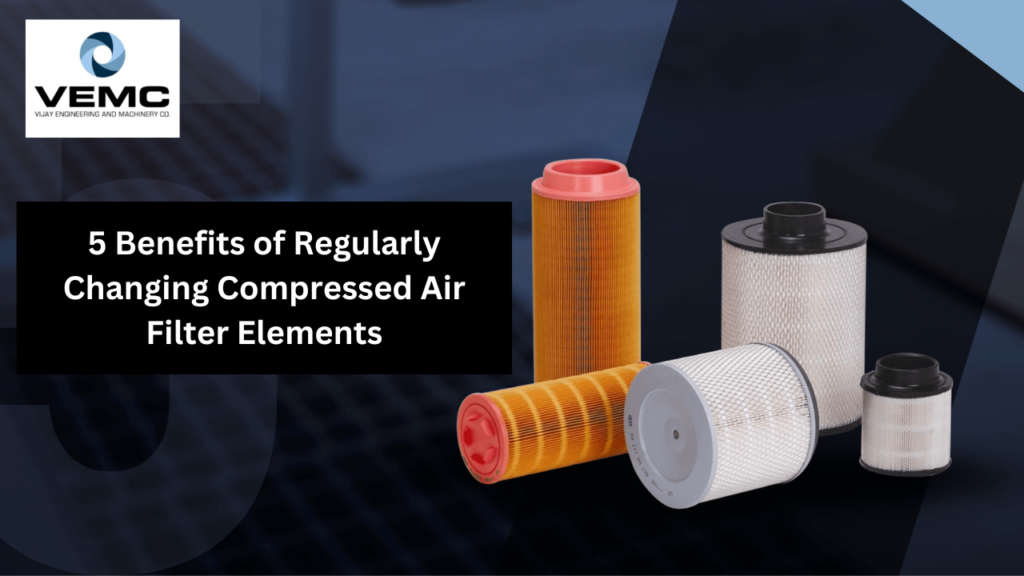
Filter upkeep or replacement

After leaks have been found and addressed, it’s crucial to take action to stop further breaches from developing. Leaks caused by dust, corrosion-causing moisture, and the accompanying pipe sludge reduce efficiency and raise the possibility of failure or end-product contamination. Regular system maintenance not only minimises risk but also stops new leaks from developing. The quality of compressed air is ensured, and pressure drops are avoided through routine filter changes.

VEMC is an authorized dealer of Elgi air compressors and provides end-to-end solutions for all your industrial energy requirements. Guided by more than 72 years of industry expertise, we aim to offer you specialized support in this space. VEMC is ISO 9001:2015 certified and a pioneer in the field of electromechanical engineering products, allied equipment, and services. Please feel free to contact us at +91 98199 07445, and we will be happy to assist you.

Role Of O&M In A Solar Plant System: Everything You Need To Know

New business models for operations & maintenance - pv Europe

With rapid development in solar technology, the need to ensure the proper and efficient functioning of a solar plant system is more important than ever before. Solar O&M (operations and maintenance) identifies and solves issues in the functioning of solar plant systems. Think of it this way: Your household appliances like the light bulbs, water filter, and/or air conditioner, require regular servicing/replacement whenever problems in their functioning occur. Similarly, solar plant systems have long life spans and require regular maintenance.

So, what does solar O&M involve?

1. Metal roof checks

They are conducted to ensure that there are no cracks or cuts in the roof of the solar installation, the solar module installation roof extensions are securely fastened and waterproof, no water is pooling or blocking the roof, and drainage is sufficient.

2. Ground Mount installation checks

They are conducted at the ground mount system’s base, to ensure that there is no ground erosion. Furthermore, they ensure that under the array, there shouldn’t be any indications of an animal infestation. They also check for trash or waste underneath or close to the solar plant system.

Should solar EPCs offer solar O&M services or outsource them?

Your solar company should consider offering solar O&M services if it possesses the appropriate core systems, operating systems, and management. An obvious benefit of offering solar O&M services would be increased revenue via the solar O&M services over the 25-plus years lifespan of each solar panel system. This can be done if your workforce has personnel with strong engineering capabilities as data analysis plays a major role in identifying problems. Furthermore, procedures such as quality control measures and the creation of extensive information bases will be key factors to consider before setting up solar O&M service for your business.

However, by contracting with an O&M specialist, you can use a business that is solely dedicated to providing those services. Outsourcing O&M can also allow your solar EPC company to focus on its main operations. One potential downfall with this is that you will be putting your company’s reputation in the hands of another company.

How to find an O&M company?

There are numerous ways in which contracting businesses and external O&M partners may establish working partnerships. A solar contracting business may use an O&M provider as a subcontractor. It’s crucial to find an O&M strategy that fits the unique goals and capabilities of your organisation, including what makes the best financial sense.

VEMC, one of the top solar companies in Mumbai, provides solar panel installation in Mumbai. VEMC provides solar o&m services as well. For more information on our products and help selecting the right ones for you, contact us on +91 98199 07445. VEMC is ISO 9001:2015 certified and a pioneer in the field of electromechanical engineering products, allied equipment, and services.

Five Benefits Of Upgrading Your Air Compressor

Upgrade Your Air Compressor to Save Money and Energy

Industries of today are leaning towards initiatives that can reduce carbon footprint and are generally more sustainable for long term use. But when a business considers upgrading its air compressor system, it may be daunted by the initial costs. However, the benefits of upgrading can often far outweigh these. Let’s take a look at five advantages of making the move:

High return on investment

A major benefit of upgrading your air compressor is the resulting return on investment. Most often, the return on investment of upgrading is higher than the cost. This might be in the form of energy savings and other efficiency-increasing benefits.

Significant energy savings

Another huge advantage of upgrading your air compressor is the savings on energy that it yields. On average, the costs of electricity account for a whopping 80% of total costs. An up-to-date system runs much more efficiently than a worn down one and hence, leads to a significant reduction in electricity bills. This way, the upgraded system makes up for the initial cost rapidly.

Higher uptime and reliability

Air compressors, like most other systems, require maintenance from time to time. However, while maintenance takes place, the system will experience downtime. The higher the downtime, the more the possibility of losing revenue. Systems that are upgraded as needed face less downtime. Additionally, they have lower chances of breaking down and are much more reliable for regular operations, helping you to minimize production losses.

Avail of government incentives

Most governments including India’s Bureau of Energy Efficiency, have introduced initiatives to cut down the use of energy by energy-intensive industries. Called PAT Cycle VI, the Indian government offers incentives if your business adopts equipment that consumes less energy to operate. This also serves to increase your return on investment while reaping the benefits of this act.

Better health and safety for everyone at work

Upgraded air compressor systems also improve the environmental working conditions of your site. By drastically enhancing the quality of the air at work, your employees’ health and safety will be protected. As a result, they will fall sick much less than before, which means they will probably take fewer days off from work, thus increasing their productivity.

Overall, upgrading your air compressor is a step in the right direction. Consult an expert to review the health and status of your current system. If it needs an upgrade, you will now understand why getting it is a prudent decision.

VEMC is an authorized dealer of Elgi air compressors and provides end-to-end solutions for all your industrial energy requirements. Guided by more than 72 years of industry expertise, we aim to offer you specialized support in this space. VEMC is ISO 9001:2015 certified and a pioneer in the field of electromechanical engineering products, allied equipment, and services. Please feel free to contact us at +91 98199 07445, and we will be happy to assist you.

Why Should You Purchase A Dewatering Pump With A Control Panel?

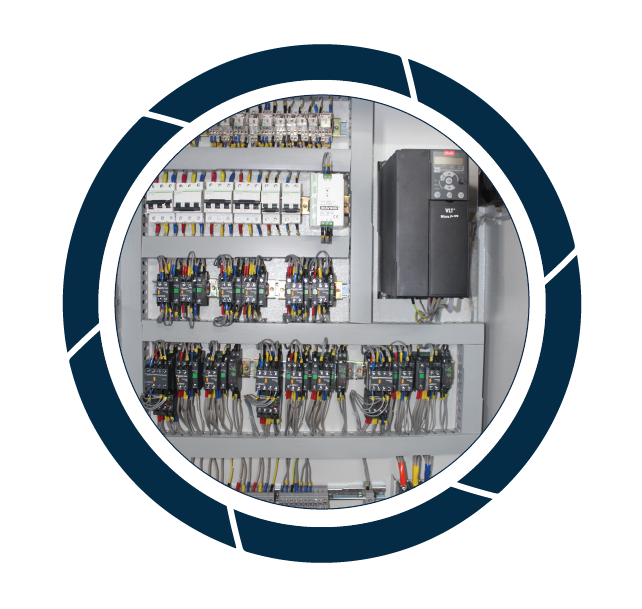
The control panel of a pump is used to automate the mechanics of motor control applications in water-based systems. It includes power components that determine how the pump motor works as well as several devices for operator control. There are also other sensors that help automate the machinery. 

A majority of the time, pump control panels are for use outdoors. In these cases, they are enclosed by a protective layer that allows you to install the panel near a supply of water such as a well so that there is no risk of water damage to it. This is why it is very helpful to buy a dewatering pump with a control panel.

A pump control panel comes in various types and has different features. They can be pre-packaged, for heavy-duty or medium-level use. They can be single-phase, three-phase, duplex, or simplex control panels. They come in different current ratings and voltages. For a dewatering pump, you must choose a pump control panel that serves the purpose adequately.

Determine whether you want your dewatering pump to be used in harsh industrial conditions and the scale at which you plan to use it. These factors will help you select the right pump control panel for it. 

For dewatering purposes, you will probably have to use a pump that can drain waterlogged pits, floods, or entire floors in your industrial site. When you use it is also a significant factor. For example, draining floods in the monsoon will be a heavy-duty job, so it is important to take cognizance of this. The control panel you choose must support these operations properly by protecting the pump from water and other damage at all costs — its main function. It must be designed in a sturdy way that will enable it to hold up to the task. 

Look for a control panel that is easy to install and has an entry point at the bottom for the times that the power supply is running underground

After you have identified your needs and observed the environment where you require the pump control panel, you will be ready to select a suitable control panel. Note that if a pre-packaged pump control panel will not meet your needs, you can always get a customized pump control panel tailored according to your preferences.For more information on industrial pumps, motors, and other equipment, please contact us at +91 98199 07445. We would be glad to help you find the best match for you based on your requirements. VEMC is a Kirloskar authorised dealer and provides complete project management services to its clients. We are ISO 9001:2015 certified and a pioneer in the field of electromechanical engineering products, allied equipment, and services.

Is Your Construction Site Safe? Do You Have A Proper Dewatering Solution?

Dewatering of a construction site refers to the process of water removal from pits or excavations to create a dry base where work can take place. If there are trenches filled with water or floods, the site will be unsafe and unsound to operate on. This is why dewatering pumps are used to drain these water-logged areas with a high water table or insufficient slope to make the site a more conducive workplace. 

Dewatering Pump Considerations for Shaft Construction

Another major factor when dewatering a site is to ensure that the water is discharged safely at an appropriate location, preferably into a wetland, lake, or storm sewer. Otherwise, there may be risk of problems like soil erosion and instability.

A Checklist of Precautions to Take When Dewatering

  • Do not pump water directly into slopes
  • Discontinue dewatering if you notice any signs of erosion or instability
  • Ensure that dewatering channels are stable and covered with protective vegetaion or grass if possible
  • Do not dewater when there are heavy rains in progress
  • Do not directly discharge water that has been contaminated with chemicals or grease without separating them

Dewatering Pumps for your construction site

So how can you select the correct dewatering pump for your needs? Let’s take a look at different types of dewatering pumps and their benefits to get a better idea.

Self Priming pumps

As the name suggests, a self-priming pump has a special built-in mechanism that enables it to prime itself without manual intervention. They also come with a flood-control feature for quick dewatering and wastewater management. They can be used for frequent pumping operations and use less power and time to run than other centrifugal pumps. They are safe to operate and are the perfect choice for the monsoon.

Eterna CW/BW series

The Eterna CW/BW series of sewage dewatering submersible pumps are another great option. They can remove stagnant water from the basement, underground parking, and garages. These pumps drain accumulated stormwater during the monsoons, empty water tanks and pits, and remove wastewater from kitchens, hotels, clubs, and surplus water from sumps.

Auto prime pumps

An auto prime pump can provide a safe, efficient, and cost-effective solution for pumping larger liquid volumes. It is portable, simple to use, sturdy, and ideal for pumping water when suction is difficult. It can also be used to pump a variety of liquids (of different viscosities) apart from water, such as slurry. Auto prime pumps are useful in a vast variety of ways such as in groundwater control, sewage over-pumping, wellpoint dewatering, flood relief, mine dewatering, pipe relining, industrial sludge pumping, marine ballasting, tank sediment clearing, and emergency dewatering services.

Cutter pumps

Cutter pumps are designed to process heavy industrial waste and raw sewage material and to classify general wastewater types. The way they have been built eliminates any chances of clogging that is usually caused by oversized particles and objects like plastic bottles, aluminum cans, ropes, cables, fabrics, and all flushable products.

Cutter pumps can be used to drain sewage and wastewater from buildings and kitchens, and to move sewage and wastewater between water treatment facilities of factories and commercial sites.

At VEMC, we provide all the above types of dewatering pumps, so you can take your pick from any series that suits your requirements best for the monsoon season.

Preventing Water from Affecting Your Site

If you know that the soil in the area is less permeable than usual, you can try to cut down on the dewatering process by separating the layer of soil that is low in permeability from other sources of water. Slurry walls, sheet piles and grout curtians may prove useful alternatives to keep out water from coming into the construction base. Although doing this will probably not eliminate the problem completely, it comes in handy when the water table is high. You may still have to dewater the area to remove residual rainfall, but it is advisable to conduct a comprehensive engineering analysis to determine how this process will affect the other areas. For more information on industrial pumps, motors, and other equipment, feel free to contact us at +91 98199 07445. We would be glad to assist you in finding the best match for you based on your requirements. VEMC is an authorized dealer of Kirloskar dewatering pumps and provides end-to-end project management services to its clients. We are ISO 9001:2015 certified and a pioneer in the field of electromechanical engineering products, allied equipment, and services. For inquiries, contact us at marketing@vemc.co.in.