
VEMC-Blogs

KVM – Highly Efficient Vertical Multistage Pump

Kirloskar’s Vertical Multistage Pump is a product specially designed for RO plants to purify and deliver safe and potable water. In fact,  the KVM pump is known to be the very heart of the RO plants due to its incredible design and function. It has extremely robust components that do not deteriorate easily and provide reliable, long-term operations. Being lightweight and highly efficient, these pumps help save plenty of space and integrate into your plant seamlessly. Depending upon their concerned application in the RO plant, these pumps come in a number of sizes. 

Here are some outstanding features of your KVM Pump:

  • KVM pumps are built using engineering polymer impellers and diffusers. This gives the pump excellent resistance to most acids, bases, chlorides and cleaning agents, therefore, diversifying the range of the media it can be used in. This also contributes to great hydraulic stability, reliability, and long-term performance.
  • KVM pumps have a keyed shaft that works in tandem with a machine element and conveys the torque to power transmission components. Positive locking of the impeller means better pump life.
  • The pumps have a fairly wide range of voltage tolerance. They can withstand fluctuations anywhere between 180-240 V and 300-440 V. There are very less chances of motor burning in case of a drastic change in the voltage. The pump by and large has a wide operating range with relatively flat characteristics. This accounts for a stable performance over a longer duration.
  • The motors come with an added advantage of being relatively light-weight. This enhances their portability and makes them easy to handle and integrate into your plant setup.
  • The pumps come with Cathodic Electro-Deposition (CED) coating which makes them resistant to corrosion and early deterioration. CED coating is 5 times as effective as conventional painting and, therefore, means a fairly long pump life.
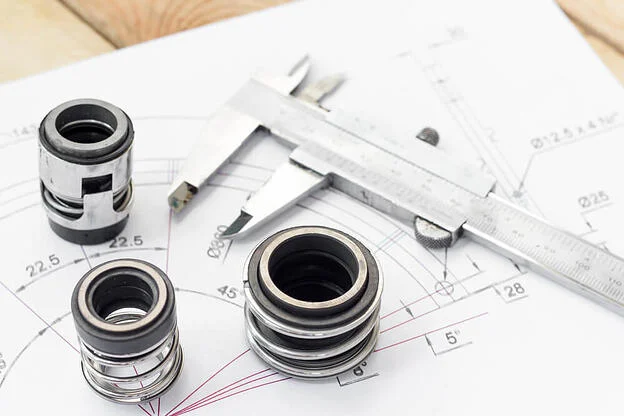
  • Heat, leakage and wear and tear resistance is ensured by the cartridge type mechanical seal that has high quality graphite and hard alloy. It also contributes to easy maintenance without opening the pump body.
  • KVM Pumps are high on efficiency. They consume less power and can substantially boost your energy savings.

Apart from their extensive use in RO pApart from their extensive use in RO plants, the KVM Pumps also find application in a number of other operations. These are often used for fire-fighting, pressure boosting, industrial washing and air conditioning. Irrigation is an important area where the pump finds a fairly significant application. The pump is also used for lifting water to apartments in tall buildings and residential houses. 

For further information on industrial pumps, motors and other equipment, feel free to contact us on +919819907445. KBL is a pioneer in cutting edge pumping technology and we would be happy to assist you in finding the best match based on your requirements. VEMC is an authorized Kirloskar dealer and specialises in industrial water pumps. It is ISO 9001:2015 certified and a pioneer in the field of electromechanical engineering products, allied equipment, and services.

A Guide to Solar Panels

A solar power system consists mainly of solar panels, an inverter, a meter, the consumer unit and the cabling.

The solar panels also called an array, are made up of photovoltaic (PV) cells. The array is usually mounted on a roof so that it is receptive to sunlight.

The photovoltaic cells in it are normally made of very thin layers of silicon and look like black or blue tiles. When sunlight reaches the cells, an electric field gets formed. The brighter the light, the greater the amount of electricity generated.

This direct-current (DC) electricity is then transferred to the inverter, which turns it into alternating current (AC) which you can use for your industry or business.


Let’s take a look at the technology powering the solar panels in more detail.

Monocrystalline (Mono) cells 

Photovoltaic cells can be of different types. Monocrystalline cells (Mono) are made from very high-quality single silicon crystals.

They are highly efficient, perform better in low light conditions than other types of solar cells, and have a lengthy lifespan. 

Polycrystalline (Poly) cells 

On the other hand, polycrystalline (Poly) cells are made by fusing together several kinds of silicon crystals. These are easy to manufacture, are cost-effective, and produce less waste than Mono cells.

However, over recent years, rapid progress in cell manufacturing processes have started to bridge the gap between the manufacturing costs of Mono and Poly cells. In 2018, Mono solar modules comprised 50% of global photovoltaic cell production.

PERC technology

Traditionally, solar cells come with an emitter layer on the front and a dark coating on the back. However,  Passivated Emitter and Rear Cell (PERC) is an innovation that has a dielectric passivation film on the back surface of the cells.

In PERC, the front directly absorbs sunlight while the back soaks in the reflected light, resulting in a higher generation of energy and greater benefits than the traditional solar cells.

It also affords more flexibility with more options for placement of the panels without affecting efficiency. PERC is available in both Mono and Poly cells.

Mono PERC Panels

When Mono cells and PERC technology are combined, the outcome is Mono PERC panels — solar modules of more superior quality.

The initial expenditure gets made up for in energy cost savings. What’s more, a fewer number of panels are required to be installed for the same amount of energy you receive.

They can capture more sunlight even in low light conditions and perform more efficiently than most other types of solar panels in the market. The need for such highly efficient solar panels has led to an increase in demand for Mono PERC panels.

We can guide you in choosing the solar panels best for you and also install and help implement them. Reach out to us on +91 9819907445. With more than 72 years of industry experience, VEMC is one of India’s top solar companies that offer best-in-class services in solar power to our clients. VEMC is ISO 9001:2015 certified and is one of the leading solar EPC companies in India.

How To Get More Value Out Of Your Solar System

Businesses today are increasingly shifting to a commercial solar power system, thanks to its improving efficiency over the past few years, lower energy costs in the long run, and in many instances, incentives from the government to switch to a more sustainable alternative with a lower carbon footprint.

While these businesses may be making significant investments in solar panels, many often overlook making the same effort to maintain the efficiency of their solar energy systems.

In this blog, we discuss some of the ways in which you can improve the efficiency of your solar power system and get the most possible value out of it. 

Choose High-Efficiency Solar Module Technology

To begin with, choose the most efficient solar module technology. Solar panels are composed of photovoltaic cells that capture sunlight and turn solar energy into electricity for consumption.

However, solar panels cannot convert 100 per cent of the solar energy they receive into electricity. So, the efficiency of a solar panel refers to the percentage of energy that its photovoltaic cells can actually transform into electricity.

Though solar cell technology has made immense progress over the last few years, not all solar panels function at the same efficiency.

Choose a model with high concentrated photovoltaic cells, that has a good structure and is made with quality material — these are what determine the solar panel’s efficiency. Mono Perc solar panels maintain high industry standards and can be a good option.

Use The Right Inverter

Just as it’s important to choose the proper solar panel, so it is to choose the correct inverter. For your system, get an inverter with a watts rating that’s about the same as your solar system’s watts rating, or maybe a little more.

However, it should not be too much or it will affect the system’s efficiency. Use one of the reputed make to ensure that the system experiences minimal downtime.

Avoid Installing Solar Panels In Shaded Areas

It goes without saying that the solar panels must be under maximum sunlight to capture optimal energy. But shaded areas can affect electricity output even if one photovoltaic is shaded. Remember to analyse and plan the site so that tall trees or buildings do not shade your panels.

Get An Established Epc Company To Install Your Solar Plant

The installation process is a complex and crucial one. Do not compromise and enlist the services of a professional solar EPC company to do the job. If the solar panels are not installed correctly, they will not receive the optimal level of sunlight. 

Clean Your Solar Modules On A Regular Basis

Over time, dirt and dust accumulate on the solar panels. Although solar panels have no moving parts and may not require frequent maintenance, it’s important to clean them occasionally to ensure that they function at peak levels. Temperature and rain can affect them; so get an expert opinion on how often to clean yours.

Track Your Solar Panel Output 

Often, businesses are happy with the initial output of energy from their solar system and stop monitoring it over time. So, a drop in levels can go undetected. Make it a practice to track output and you will be a lot more likely to be able to spot a reduction in efficiency if it occurs.

For help to determine the right solar panel for you, contact us on +919819907445. As one of India’s best solar companies, with 72 years of industry experience, VEMC provides end-to-end solar services to its clients. VEMC is ISO 9001:2015 certified and is one of the leading solar EPC companies in India.

The Advantages, Application & Components of Butterfly Valves

Valves find applications in diverse fields of operation to regulate the flow of a liquid in supply systems. Each valve has an indispensable utility courtesy of its design, material, and functioning. Butterfly valves have a special design and unique utilities. In this blog, we talk about the advantages, applications, and components of these valves.

Butterfly valves have a characteristically compact design and are therefore best suited for cramped spaces. Their name comes from the wing-like action of the disc which operates at right angles to the flow.

Advantages

  • A 90° rotation of the handle provides a complete closure or opening of the valve and makes these valves easy and fast to open.
  • These valves require very little material to design and are therefore relatively inexpensive to build.
  • Compared to other valves, they have much lower space requirements and can be used pretty well in tight corners or difficult pockets of a facility.
  • Lesser levels of wear and tear reduce the maintenance costs of butterfly valves.

Applications

Owing to the above-given features, butterfly valves find applications in diverse areas of operations such as sewage plants, chemical processing, and petrochemical plants. Here we list some of the specific activities that they are an integral part of.

  • Cooling water, air, gases, fire protection, etc.
  • Slurry and other services
  • Vacuum service
  • High-pressure and high-temperature water and steam services
  • Compressed Air or Gas Applications

Components

The four components of butterfly valves are body, disk, stem, and seat. Let’s look at each of them in some detail.

  • Body: These valves have bodies that fit between two pipe flanges. The most common body design is the lug and wafer body.
  • Disk: A flat disk fits inside the body of a butterfly valve and acts as a gate to the incoming fluid. When twisting the shaft, the disk rotates and allows the liquid to pass. 
  • Stem: It is the shaft that is held and twisted to make the disk rotate. This is either a one-piece shaft or has a two-piece (split-stem) design. Its material may be selected carefully for purposes of insulation, especially if the valve is directly exposed or submersed in the medium.
  • Seat: The seat of a butterfly valve utilises an interference fit between the disk edge and the seat to provide shutoff. The material of the seat can be made from many different elastomers or polymers to ensure durability and lubrication.

Butterfly valves are thus very high utility devices that often surpass other valves in terms of features, advantages, applications, and cost-effectiveness. 

VEMC is an authorised Kirloskar butterfly valve dealer and Kirloskar ball valve dealer. For more information on Kirloskar valves or any of our products, please reach out to us on +91 98199 07445. We would be happy to help find the right products and services based on requirements. As one of the leading valve dealers in the country, VEMC provides seamless end-to-end services to its clients. VEMC is ISO 9001:2015 certified and a pioneer in electromechanical engineering products, allied equipment, and services.

Oil-lubricated or oil-free air compressors – which one should you pick?

Amongst a diverse set of criteria that you need to keep in mind while choosing your air compressor, the type of lubrication is one of the most important factors. Should you choose an oil-lubricated or an oil-free air compressor for your business operations? Well, the choice largely depends upon the type of industry you are in, the operations you carry out, and the specific role your pump is expected to play in your facility. All these factors are decisive in choosing the lubrication type for your air compressor. But first, you must gain a deeper understanding of both types of air compressors, and then decide whether they suit your purpose. In this blog, we do just that.

Oil-lubricated air compressors

Oil plays a crucial role in these compressors on multiple fronts. Of course, it keeps the moving parts in good condition by reducing unwanted friction. But it also plays the crucial role of dissipating the extra heat generated in the system. Besides, it offers to seal and helps in noise reduction. As these compressors are also available in piston technology, their efficiency, robustness, and ability to work quietly make them effective for a variety of pneumatic tools and accessories. Oil-lubricated air compressors find use in manufacturing, construction, recycling, waste management, and quarrying.

Oil-free air compressors

These compressors do not use oil for lubrication. Instead, their cylinders are coated with a material like Polytetrafluoroethylene (PTFE) which allows the piston to slide in smoothly. Since no oil is involved, the quality of air from these compressors is the same as that which goes in. As such, these compressors find tremendous application in processes where the air must be devoid of moisture or oil vapour. Here is a list of areas that prefer oil-free air compressors:

  • Food & beverage processing
  • Pharmaceutical manufacturing
  • Operating ventilators, surgical machines, inhaled medication systems (only for breathing air certified machines), and other critical equipment in hospitals
  • Semiconductor and electronics manufacturing
  • Automotive spray painting
  • Textile manufacturing

The oil-lubricated air compressors are on average more durable, efficient, and less noisy. These are preferred any day over oil-free compressors if the quality of air is not a precondition. However, regular oil changing is an overhead that comes as part of the package and marginally increases their maintenance costs. On the other hand, oil-free compressors have the sharpest focus on air quality and also have a much lesser carbon footprint. Having the benefit of both these perspectives, you can now make a well-informed choice between the types of air compressors for your facility.

For assistance with deciding on the air compressor that suits your needs the best, please contact us on +919819907445. We would be delighted to help you find the best product or service based on your exact requirements. As one of the leading Elgi air compressor dealers, VEMC provides a comprehensive array of seamless products and services to our clients. A pioneer in electromechanical engineering products, allied equipment, and services in the field, we are also ISO 9001:2015 certified.

Godrej Coliseum Case Study

Located in the sub-urban Sion East area of the bustling city of Mumbai, Godrej Coliseum is a magnificently built commercial complex offering retail and office spaces. Businesses like shipping, auto, pharmaceuticals, BPOs and telecom operators in the complex. The building is situated amidst a fairly upcoming residential area and naturally sees a generous footfall of shoppers every day, usually walking in with their families. Spread across 83 million sq. ft, the complex has amenities such as escalators, car parking, beautiful landscaping, advanced security, 24/7 water supply, car parking and adequate fire-fighting systems. 

As expected, the complex is a guzzler of energy and had to be powered with nothing short of a highly reliable and uninterrupted source of electricity. It was VEMC’s reliability and experience that Godrej turned to, and handed over this mammoth 90 kWp project. We were especially expected to ensure that the critical amenities of the building such as lifts, lights and pump loads are kept running uninterrupted. These form the backbone for the smooth functioning of the complex and are also essential for the convenient mobility of the public through it.

The project involved a lot of pre-planning, in that the maps of the electric fittings were thoroughly studied to avoid faulty or redundant wiring. To ensure our work caused minimal disruption in business, we closely coordinated with the client with regard to the vehicle entry and exit, working hours, storage areas, documentary support and other project management matters. We were also mindful of the prevailing DISCOM standards to avoid reworking our designs in case of any issues later. A pre-installation bill of quantities and design approval was issued to the client to provide an estimate of the expenses. Efficient supply chain management and properly scheduled delivery of critical components were imperative for our project management team to keep the project on track, meet deadlines and finish within the predetermined time-horizon. Finally, for the purpose of Net Metering, we coordinated with the DISCOM so that the surplus electricity that would be exported by the solar system of the complex would be offset against the imported electricity from the grid.

The project used mono-crystalline solar modules and inverters of Delta make with a total capacity of 75 kW. Throughout the project, we had the safety of the workers and the fragile equipment in mind and used proper equipment like PPEs, cut-resistant gloves and unloading tools, to handle the equipment. 

Our post-installation feedback revealed that the client had savings of up to 1.2 lakh units of electricity or around savings of Rs 12 lakh annually from this system.

For assistance to decide on the solar panel that suits your needs the best, feel free to contact us on +919819907445. We would be happy to assist you in finding the best match based on your requirements. As one of India’s upcoming solar EPC companies, having 72 years of market experience, VEMC provides end-to-end solar services to its clients. 

KirloSmart: At the forefront of pumping innovation

Kirloskar’s passion for innovative technology lies at the heart of its business operations. To be at the forefront of change and incorporate cutting-edge technology in its products requires significant investment in Research & Development. As we embrace futuristic technologies of Machine Learning, AI, and IoT, Kirloskar has taken the pioneering step towards bringing these technologies to pumping. This deliberate effort in planning and R&D has enabled Kirloskar to design KirloSmart, a product that uses the Internet of Things (IoT) to keep track of pump parameters without having to visit the site in person. KirloSmart can monitor parameters like flow, pressure, vibration, bearing temperature, voltage, current, energy consumption, etc. 

KirloSmart effectively converts conventional pumps into IoT pumps. The tool includes embedded hardware along with a field sensor and web portal facility. All the data that the pump generates gets communicated to the user through the wired ethernet or 4G network, available through a KBL web portal and mobile app accessible on devices like laptops, desktops, smartphones, or tablets. The interface is highly interactive and user-friendly. KBL’s modern pumps, therefore, do not require any physical supervision, and monitoring is possible remotely, thanks to KirloSmart. It helps monitor pump health on a real-time basis by appropriately sensing its critical health parameters.

Another benefit of KirloSmart is predicting the breakdown of pumps and zeroing in on the reasons for it. This helps save time and costs of technical labour,  identify the causes, and arrive at the remedy quickly. In case of a breakdown, KirloSmart comes up with a set of alternatives that could help resolve the problem. It also helps schedule the maintenance intervention of the pumps so that there is minimum maintenance cost. Predictive or preventive maintenance is always better and less expensive than breakdown maintenance. It also facilitates spare management and presents reports based on spares due for replacement.

KirloSmart is capable of sending alerts through SMS, e-mail, and mobile push notifications regarding the health parameters of the pump. It can also provide the live status of the pump on a real-time basis. Being a remotely operated technology made KirloSmart a very popular tool during the pandemic. However, paving the way for the smart pumps of the future, its utility will continue to be high even after the pandemic. After all, customer ease and convenience are central to KBL’s business philosophy.

For further information on industrial pumps, motors and other equipment, please feel free to contact us on +919819907445. As leading industrial water pump suppliers in Mumbai, it would be our pleasure to guide customers through finding the best match based on specific requirements. VEMC is an authorized Kirloskar dealer. It is ISO 9001:2015 certified and a pioneer in electromechanical engineering products, allied equipment, and other services in the field.

KDI EE2: An Energy-Efficient Monoblock Pump

Pumps with longevity, efficiency and performance at the heart of their design, the KDI EE2 series is packing a punch with its best-in-class quality. KDI EE2 pumps come from the family of Kirloskar Monoblock Pumps and have been constructed keeping in mind the minutest details of mechanics. This ensures minimum abrasive movements and checks asset depreciation. The KDI EE2 is not just a piece of equipment, it is a long-term investment for your business. In this blog, we take a look at the various features of these pumps that make it stand out.

Energy-saving design

A KDI EE2 pump is one of the most energy efficient pumps out there. The state-of-the-art design ensures that it always operates at optimum levels of efficiency, the energy costs are kept at their lowest and generous savings are accrued.

Superior mechanical seal

The superior quality of the mechanical seal ensures zero leakage, low friction, and minimum wear and tear. Its Carbon vs Ceramic mechanical seal and HNBR (Hydrogenated Nitrile Butadiene Rubber) enables it to handle liquids upto a temperature of 120 degrees C.

Cathode Electro Deposition (CED) coating

This is the latest coating technology that provides corrosion protection of upto 5 times as compared to conventional painting. 

Dynamically balanced rotating Parts

Minimum vibrations and maintenance of concentricity are both essential to protect the KDI EE2 pump from excessive friction of moving parts and early depreciation.

Easily replaceable parts

All wearable parts within the pumps are easily accessible and replaceable which facilitates ease and reduced cost of maintenance over an extended time horizon.

Wide margin of voltage

The motor is designed to withstand wide voltage fluctuations from 350 to 440 volts. This significantly reduces the chances of the motor burning in case of low voltage.

Designed to prevent overloading

There are lesser chances of motor burning as the motor does not get overloaded even if the pump is operated at a head lower than recommended.

All of these factors contribute to the efficiency, cost-effectiveness, low maintenance and longevity of the pump. These help establish a KDI EE2 pump as one of the most sought after investments in pumping technology. But do these factors also translate into numbers and give you minimum payback times for your investment, that can reflect in your finances? Let’s have a look at this table for evidence:

Quite clearly, the amount invested in different models of KDI EE2 series is paid back within a matter of months, courtesy their exceptional cost-cutting and efficient performance. This makes these pumps favourites for office and factory installations across industries.

For further information on industrial pumps, motors and other equipment, feel free to contact us on +919819907445. As a leading industrial water pump suppliers in Mumbai, we would be happy to assist you in finding the best match based on your requirements. VEMC is an authorized Kirloskar dealer. It is ISO 9001:2015 certified and a pioneer in the field of electromechanical engineering products, allied equipment, and services.

Ball Valves – Types and Applications

Ball valves find use in regulating clean air, compressed gas, and liquids. These are quarter-turn valves with an excellent sealing ability due to materials like nylon, Delrin, synthetic rubbers, and fluorinated polymers. These valves also provide very little resistance to flow owing to their smooth body and port. In this blog, we take you through the types and applications of ball valves.

Types of ball valves

Ball valves are manufactured in both high and low pressure, which determines their resistance to each type of condition. However, in terms of their design, we have the following different types of ball valves:

Split-Body Ball Valve

A split-body ball valve has two distinct body parts, that is, a cover, ball, seat rings, stem, and other internals. A flange connection holds the two parts of the valve together. The ball is inserted in the larger body part while the smaller is assembled by a bolted connection.

Top-Entry Ball Valve

A bonnet cover provides entry to the valve for removal, maintenance, assembly, and repair of the internals. The valve as a whole is not required to be removed from the piping.

End-Entry Ball Valve

These have a single-piece body. The ball is inserted from one end and retained using an insert.

Three-Piece Body Ball Valve

The middle piece holds the major part of the valve apparatus while the end connections are a part of the end caps and may be butt-welded, socket welded, threaded, or flanged.

Double Trunnion Ball Valves

Top and bottom trunnions form the two integral short-shaft extensions. The ball is held firmly in place unlike the balls in other designs where it is supported by two seat rings.

Lubricated or Non-Lubricated Ball Valves

Stem sealing of valves is usually accomplished by bolted packing glands and O-ring seals. Lubricated ball valves have lubrication sealed systems that are not present in non-lubricated valves.

Advantages of Ball Valves

  • Ball valves are some of the tightest valves out there. They have a reputation for providing “bubble-tight” service.
  • These are easy and quick to open and close.
  • Ball valves are both smaller in size and lighter in weight as compared to gate valves.
  • Plenty of choices are available due to the large number of designs.
  • They provide reliable service in high-pressure and high-temperature conditions.

Quite clearly, ball valves are some of the most sophisticated and high-utility valves available in the market. Most importantly, you can always pick and choose your ball valves from the available design variants to suit your needs.

VEMC is an authorised Kirloskar ball valve dealer. For more information on Kirloskar valves or any of our other products, feel free to contact us on +91 98199 07445. We will do our best to introduce the right solution based on your requirements. As one of the leading valve dealers in the country, VEMC provides unmatched piping and supply service to its clients. VEMC is ISO 9001:2015 certified and a pioneer in electromechanical engineering products, allied equipment, and services.

Pump Guide: How to Overcome the Biggest Problems with Pump Life

Sudden pump failures can disrupt your business and delay project delivery. The hidden cost of breakdowns, owing to business loss, may exceed the preventive maintenance costs of the pumps. Pumps often face delivery failure, priming failure, excessive vibrations, reduced capacity, overload, and loss of displaced liquid. In this blog, we talk about factors affecting the pump life and ways to overcome their challenges.

  1. The type of liquid being pumped: Your quest to prolong your pump life starts with determining the liquid pumped in it. Factors like temperature, viscosity, suspended particles, acidity, etc., of the liquid, are crucial in determining the pump’s ability to withstand exposure.
  2. Material of the pump body: After testing the nature of the liquid, which maintains constant contact with the body of your pump, consider the material of your pump body. Can the pump material withstand contact with a specific type of liquid?
  3. Role of the pump: What’s the usage of your pump? Anticipating the usage of your pump can help in choosing the right one. Pumps play a critical role in some industries, and it is, thus, unwise to use an average pump. Similarly, find out if your business operations require a standardized pump operation or additional features that are available only in specially designed pumps.
  4. Always ensure pump inlet: You must never allow your pump to starve, which is the leading cause of pump seizures. To determine the inlet pressure, you must regularly take the Net Positive Suction Head (NPSH) reading and ensure the NPSH available (NPSHA) exceeds the NPSH value of your pump.
  5. Pump location: The immediate location and surroundings of the pump operation are crucial. Pumps operated outside need special care with regard to temperature and environment. You may need to protect the pump using special shelters or protection closets if there are apprehensions.
  6. Flow rate and pressure: The flow rate and pressure of the displaced liquid is an important consideration. It determines the size, length, and material of the inlet and outlet pipes. Their capacity must match the pressure requirements of the pump’s functions.

An understanding of these aspects affects the depreciation of your pumps and prolonging their valuable life.

For further information on industrial pumps, motors, and other equipment, contact us on +91-9819907445. As a leading industrial water pump suppliers in Mumbai, we would be happy to assist you in finding the best match based on your requirements. VEMC is an authorized Kirloskar dealer. It is ISO 9001:2015 certified and a pioneer in electromechanical engineering products, allied equipment, and services.

HYPN System: An Intelligent Water Supply Solution for Commercial Buildings

Kirloskar has come up with a state-of-the-art solution, known as the Hydro-Pneumatic (HYPN) system, for maintaining constant water pressure and serving changing water demand in buildings automatically. It predominantly finds use in commercial facilities such as hotels, hospitals, and industries. HYPN simply converts conventional pumping systems into a smart, responsive, and highly efficient automatic pumping systems.

As soon as the pressure falls below predetermined levels, the HYPN system turns on the motors to maintain a constant pressure level. On the other hand, it also eliminates the unnecessary functioning of the pumps. The HYPN system is low maintenance and durable, making it a highly cost-effective system. Due to its ability to match the pressure exactly with the demand, the HYPN system can also control the energy consumption, further reducing the cost. 

Apart from the cost benefits, Kirloskar has added a significant feature to the HYPN system. It integrated with remotely accessible smart devices, like mobiles and iPads, which enables customers to monitor various parameters of the HYPN system without physical presence. Its predictive analysis prepares customers about the likelihood of errors and breakdowns in advance. This further reduces the hidden costs associated with sudden breakdowns and unforeseen repairs. Besides, the remote monitoring system also eliminates the need for physical checks by field inspectors, thus, lowering human resource costs.

HYPN system is only as effective as its pumps. Kirloskar offers a wide range of pumps to work with the HYPN system and meet the clients’ unique needs. Inline, end suction, sump pumps, split case pumps, and VT pumps, among others, work seamlessly with the HYPN system. This enables the HYPN system to adapt to several industry verticals, like pharmaceuticals, mining, textiles, steel, railways, hotels, metros, etc., for their distinct requirements.

Kirloskar has been awarded India’s prestigious accreditation for HYPN, namely the India Design Mark (IDM), which symbolizes product excellence in quality and innovation. It is the country’s first HYPN manufacturer to receive this accreditation, which speaks volumes about the tremendous planning, research and development, innovation, and quality assurance while manufacturing this unique pumping system.

Lately, Covid-19 hospitals in Delhi, Uttar Pradesh, and Kerala found extensive use for KBL’s HYPN system in maintaining the water supply at their facilities.

For further information on industrial pumps, motors, and other equipment, contact us on +91-9819907445. As a leading industrial water pump supplier in Mumbai, we would be happy to assist you in finding the best match based on your requirements. VEMC is an authorized Kirloskar dealer. It is ISO 9001:2015 certified and a pioneer of electromechanical engineering products, allied equipment, and services.

How To Calculate The Right CFM or Airflow For Air Compressors

CFM is the short form of Cubic Feet per Minute (cu ft/min) and as is evident, it has a volume and a time dimension to it. CFM is, in fact, a measurement of how fast air flows into or out of space. The higher the CFM, the higher is the pressure exerted by the tightly compressed air on a pneumatic tool.

Analogous to power, CFM reflects the compressor’s ability to perform work over a certain period of time. While there is no doubt that CFM is a very useful metric of your compressor’s performance, there is, however, a need to understand the concept and arrive at accurate calculations.

Let us first try to understand the relationship between CFM and PSI (Pounds per Square Inch). While the two may seem conceptually alike, they have fairly distinct implications. CFM is the rate of flow of compressed air through a given space. It has a time dimension and is, therefore, a more dynamic metric. On the other hand, PSI is more static and is basically a measure of the pressure created by the compressed air per unit area. CFM is the driver behind PSI, which in turn reflects the Force that a compressor can exert and the amount of work it can get done. Both CFM and PSI determine whether an air compressor can meet your workload demands as each piece of equipment has its own airflow requirement.

There are a number of websites and online calculators that offer a simple and quick calculation of CFM. All you need to do is to enter the variables and within a split second, you arrive at your CFM. However, to gain a deep conceptual understanding of CFM, it is always advisable to do some good old math and arrive at the results through a formula. So, here we go:

CFM = Tank Volume in Cubic Feet x Standard Pressure (ATM) during a Cycle x Cranks per Minute

How to calculate Standard Pressure and Cranks per Minute?

Standard pressure must always be converted to PSI. Remember, 1 ATM = 14.7 PSI

Let’s say, your tank volume is 18 Cu. Ft, Standard pressure is 2 PSI and Cranks per Minute is 1.5.

By simple multiplication of the above-given variables, we get:

18 x 2 x 1.5 = 54 CFM

Another very easy method of calculating CFM is the airflow meter. This gives us the pressure coming out of a fitting and can be installed on individual pieces of equipment or complete systems to provide an instant reading.

For assistance to decide on the air compressor that suits your needs the best, feel free to contact us on +919819907445. We would be happy to assist you in finding the best match based on your requirements. As one of the leading Elgi air compressor dealers and distributors, VEMC provides seamless services to its clients. VEMC is ISO 9001:2015 certified and is a pioneer in the field of electromechanical engineering products, allied equipment, and services.

Overview Of Multistage Centrifugal Pumps: Here’s All That You Need To Know

Your usual centrifugal pump can restrict the pressure limit due to the design constraint of a single impeller. However, a Multistage Pump has two or more impellers of the same or different types, i.e., low Net Positive Suction Head (NPSH) suction impeller, double suction impeller, or centrifugal first stage and side-channel impellers.

The design of a Multistage Centrifugal pump is similar to the usual centrifugal pump, except for the multistage parts that channel fluid into the impeller’s eye. The impellers face in the same direction, and this generates a strong thrust. However, this creates a thrust balance, which keeps the thrust down at levels manageable by standard-sized thrust bearings. 

The working mechanism of a multistage centrifugal pump amplifies the thrust at previous levels to move forward. The thrust created by one impeller is cascaded by the next one, causing a build-up of thrust through the stages. The required number of impellers varies as per the final pressure required. The impellers are positioned in a sequence from left to right and the liquid is pushed with continuously rising pressure.

The Multistage Centrifugal Pumps find uses in diverse fields due to their pressure. These are great to pump water against gravity and can be used on constructions on the top floors of a skyscraper. They are also used for spraying and high-pressure cleaning in automotive and allied industrial works. Production of oil and fuel delivery to distant locations also requires high pressure, which Multistage Centrifugal Pumps can manage effectively.

A Multistage Pump is expensive and has a more complex design than the high-pressure duty pump. However, the Multistage Pump is a clear winner in efficiency and reliability. The great thing about these pumps is their uniquely flexible capacity. You can also configure it to have an inter-stage bleed off if you require high pressure at different points and in different directions. You may also run it at varying speeds to improve efficiency. Running the pump at a lower speed reduces noise, which is an important environmental consideration.

Multistage Centrifugal Pumps are available in different variants such as horizontal, vertical, submersible, side-channel pump, and vertical turbine pump. Which Multistage Pump you choose depends entirely upon your requirement and working environment.

For further information on industrial pumps, motors and other equipment, contact us on +91-9819907445. As a leading industrial water pump supplier in Mumbai, we would be happy to assist you in finding the best match based on your requirements. VEMC is an authorized Kirloskar dealer. It is ISO 9001:2015 certified and a pioneer in electromechanical engineering products, allied equipment, and services.

Smart Ways To Enhance Pump Performance & Reduce Energy Costs

Your electricity bills are likely to be expensive if your pumps are not efficient, despite low productivity. In this blog, we will touch upon 10 effective ways to enhance your pump performance and reduce energy costs.

Periodic maintenance:

Your pumps have many moving parts, which could lead to unnecessary friction, wear and tear, noise, and overheating. Therefore, it is important to carry out preventive maintenance by regularly checking parts, like bearings, impellers, packing seals, mechanical seals, etc.

Regular monitoring:

Every part that is vulnerable to faults or troubles must be given special attention and replaced in time. Damaged impellers, clogged pumps, and choked suction pipelines are some problem areas that require keen monitoring.

Use of automated controls:

Instead of physical supervision, you can monitor the parameters remotely through your devices. This helps to enhance the pump’s operational efficiency. KBL’s KirloSmart solution allows remote monitoring of your pumps through the KirloSmart mobile app. 

Avoid excessive heating:

Excessive heating may damage heat-sensitive parts and cause overconsumption of energy. Trimming the pump blades reduces energy generation and eliminates excessive heat.

Match pump capacity with operational needs:

Accurately calculate the required flow rate and try to match the pump capacity with it. Efficiency can drop significantly in case of a mismatch.

Install perfectly sized pumps:

Having a pump that is either too small or big can affect efficiency. If a pump is too small, the enormous pressure to process waste can cause overheating or breakdowns. On the other hand, if the pump is too big, it may have to be throttled to prevent it from running at full capacity. 

Optimize flow rate and head:

This is of paramount importance if you want to ensure high performance and efficiency, and reduce energy consumption.

Use VFDs:

A Variable Frequency Drive manages motor speed. Therefore, rather than operating at a steady speed, irrespective of the load, use VFDs to enhance efficiency and reducing consumption.

We hope these will help you cut down your power bills while making pump operation more efficient.

For further information on industrial pumps, motors, and other equipment, contact us on +91-9819907445. As a leading industrial water pump supplier in Mumbai, we would be happy to assist you in finding the best match based on your requirements. VEMC is an authorized Kirloskar dealer. It is ISO 9001:2015 certified and a pioneer in the field of electromechanical engineering products, allied equipment, and services.

Solar Farms- The Next Big Thing In Solar Space

Large-scale solar installations are great for Economies of Scale. In fact, Solar Farms that produce less than one megawatt of power cannot justify their cost of development. Solar Farms are mostly set up in the hinterlands as crowded urban and commercial pockets never provide enough space for their development. To put things into perspective, the Solar Energy Industries Association of the US says that as of date, there are around 12000 major solar projects generating over 166 GW of energy in the country. This mushroom growth of huge Solar Farms is expected to replicate across the world, especially in India that is both a tropical country and has a vast hinterland offering ample space for these projects.

As our energy preferences shift away from fossils, Solar Farms will attain greater significance due to the scale of production, lower costs per unit of energy and other significant benefits that we cover below:

A massive engine of clean energy:

Solar Farms unlike small solar installations have the potential to power townships, villages and even cities in the foreseeable future. You can envision a Solar Farm just like your good old hydro-power project or a thermal power plant. With increasing R&D in the sector, you can expect Solar Farms to be more productive, efficient and feasible. 

The dawn of Agrovoltaics:

Agrovoltaics is beginning to percolate the vocabulary of the Solar Sector. Unlike conventional installations like thermal plants or hydro-power plants, establishing a Solar Farm is not permanent or irreversible. This means the land covered under solar panels and other apparatus can always be re-used for agricultural purposes. Imagine the implications it has on the flexibility of the government’s planning and policy-making.

Energy for everyone:

Solar systems have a significant space factor associated closely with them. This means households or commercial facilities with inadequate space will never be able to accommodate a solar system on their rooftops or batteries in a dedicated room. This issue is however resolved by the Solar Farms that become the singular source of energy to power considerably large settlements from a distance.

No noise or other hazards:

Solar Farms go easy on the environment in more ways than one. They not just have zero emissions and can significantly help reduce our Carbon footprint as a society; they are also noise-less. Solar Farms get accommodated very naturally into your surroundings and have barely any effect on the communities, flora and fauna around them. These farms also do not release any hazardous wastes into the environment, quite unlike thermal and nuclear power plants.

For assistance to decide on the solar panel that suits your needs the best, feel free to contact us on +919819907445. We would be happy to assist you in finding the best match based on your requirements. As one of India’s best solar companies, having 72 years of market experience, VEMC provides end-to-end solar services to its clients. VEMC is ISO 9001:2015 certified and is one of the leading solar EPC company in India.

The Sun Is Up And Bright. Let’s See How We Still Face Challenges In The Solar Energy Industry

While Solar Energy is touted to be the fuel for the future, some significant challenges hinder us from making the most of this inexhaustible resource. However, as Solar R&D evolves, our hopes to tackle these challenges effectively will see a steady and upward trajectory. Having said that, the journey starts by identifying these challenges first, and in this blog, we do exactly that.

Dependence on nature:

Natural forces like seasons, geographical location and clouds determine the amount of Solar Energy that you can produce at a given time and place. This is absolutely beyond the control of humans and is likely to remain so, at least in the foreseeable future. Techniques to reduce the effect of these natural forces will have to be worked out so that users may bypass these challenges.

Quality of power:

This refers to the availability and voltage that solar systems can give us. Inconsistent power and fluctuating voltage are not acceptable, especially in commercial applications. This has serious implications for the reliability of this resource. For sectors that require emergency power such as healthcare, solar could struggle to find takers in the coming years. Only as the reliability-to-cost ratio improves in these areas will solar power will find greater acceptability.

Locational challenges:

Geography is a huge determinant in Solar Energy on more than one level. Globally, solar power fits best in the tropical regions that receive plenty of suns all year round. Latitudes further away from the equator will struggle to accommodate it. On a more local level, solar plants may have to be located in a large and open area, such as a desert or abandoned lands. This affects the availability of the resource to the human settlements, especially in urban areas that are in greater need of solar power.

Investment in Solar:

As a thumb rule, the first-time investment in any new technology is always hefty. This is also true of Solar Energy. There is a pressing need to bring all stakeholders such as government agencies, corporations and investors onto a common platform to develop an understanding and channel productive resources of the society into Solar Energy.

Cost of equipment:

The cost of installation of solar apparatus such as panels, storage batteries and VFDs is considerably high. This is quite a disincentive for taking up solar as your staple energy source, especially for households and small commercial undertakings. However, with the passage of time and with adequate research, innovation and competition pouring into the sector, the costs are expected to decline significantly.

Solar energy has gained tremendous traction lately, especially in the wake of the climate change debate. However, the formidable challenges faced on multiple levels require proper redressal through adequate research and development, innovation and investment.

For assistance to decide on the solar panel that suits your needs the best, feel free to contact us on +919819907445. We would be happy to assist you in finding the best match based on your requirements. As one of India’s best solar companies, having 72 years of market experience, VEMC provides end-to-end solar services to its clients. VEMC is ISO 9001:2015 certified and is one of the leading solar EPC company in India.

Compressed Air – The Fourth Utility Of The Modern World

If water, electricity and gas form the trio of essential utilities of the modern world, compressed air has a strong claim to be the fourth one. Air is one of the most ubiquitous resources of nature. When it comes to utilizing it as a source of energy, however, you have to compress and direct it with precision. Compressed air can drive wide-ranging activities and find use in a number of sectors. In this blog, we take you through the importance of this powerful source of energy across the economy.

Manufacturing:

Compressed air finds utility in a number of activities in the manufacturing sector. It powers the actuators, conveyor belts, sprayers and clamping equipment. It also supports casting processes, offers optimal product finishes and helps clean the final products impeccably. 

Construction:

Another sector that requires some heavy lifting and muscle power is construction. Compressed air is used to power pneumatic tools like buffing equipment, nailing, stapling and riveting guns, grinders, drillers, jackhammers and sanders. Lowering and raising heavy loads or demolishing structures also make use of compressed air. Tunnel-digging is another area where compressed air does wonder. They are used for road digging, cutting and cleaning. They also keep the tarmac, debris and other hard surfaces debris-free. 

Agriculture:

Pruning, harvesting, crop fertilising, seed sprinkling and spraying are some of the activities that compressed air helps with, in the agricultural sector. Air compressors power the tractors, sprayers, conveyors and pneumatic fruit pickers. They also facilitate the operation of hydraulic pumps.

Healthcare:

Compressed air is used for administering anaesthesia, power ventilators and other surgical machines in operation theatres. Compressed air is always free of contaminants, pollutants and other particulate matter, making it extremely useful to maintain an allergy and infection-free healthcare facility. Compressed air is also used to inflate emergency mattresses for patients.

Automotive:

In this sector, air compressors find great use in engine construction, assembling car bodies and giving finishing touches to the cars. Intricate components are put in place using compressed air-based pneumatic tools. Plasma cutting, welding and inflating tyres also use compressed air. Finally, the air compressors are used to clean the car and paint it using dry and oil-free compressed air to prevent bubbles or splattering to form on the surface.

The above-given list is not exhaustive and air compressors are used in multiple other areas of the economy. In the future, as the efficiency, precision and power of the pneumatic instruments is improved, air compressors are expected to find the greater application and have an increasingly enlarged role to play.

For assistance to decide on the air compressor that suits your needs the best, feel free to contact us on +919819907445. We would be happy to assist you in finding the best match based on your requirements. As one of the leading Elgi air compressor dealers in Mumbai, VEMC provides seamless services to its clients. VEMC is ISO 9001:2015 certified and is a pioneer in the field of electromechanical engineering products, allied equipment, and services.

What are the Different Types of Fire Fighting Pumps?

A fire can be a terrible hazard in any industry. At a power station, taking measures to prevent one as well as being prepared to deal with one in the event that it occurs, is absolutely crucial. Installing fire fighting pumps is an effective way to combat such a hazard. A fire pump is part of a sprinkler system’s water supply. It is powered by steam, electricity or diesel. Let’s examine some of the different types of fire fighting pumps that you can choose from, for your power station.

Sprinkler Pump

The sprinkler pump is commonly used to irrigate plants and greenery in gardens, and also to prevent fires. In a fire sprinkler system, the fire pump is an essential component. It provides access to high-pressure water in the fire sprinkler system, which serves to increase the rate of the flow of water. The sprinkler pump is a popular method of fire prevention in factories and power stations.

Booster Pump

The booster pump machine is part of another system to fight and suppress fires. A booster pump will increase the pressure of a fluid, which may be liquids or even gases, depending on its construction. A gas booster is much like a gas compressor but is usually built with a simpler mechanism, often with only a single stage of compression. This is used to increase the pressure of a gas which is already above the ambient pressure.

Jockey Pump

A jockey pump, also called a pressure-maintenance pump, is a small device that works with a fire pump in a fire fighting sprinkler system. It is designed in such a way that it keeps the pressure in the system raised at a certain level when the system is not in use, so that the fire pump does not have to run all the time and the system does not get set off without actual cause for alarm. The jockey pump helps make sure that your fire fighting resources are used efficiently, without wastage.

Drencher Pump

The drencher pump is another part of a fire fighting system which consists of water heads. Unlike sprinklers, which are built internally, drenchers are usually placed on the outside of a building to protect against a fire which may have broken out in a nearby building. Drencher pumps are found above windows, roofs and other exterior openings.

Water Curtain Pump

The water curtain pump is part of a water curtain system — another active fire fighting system. As the name suggests, a water curtain system forms a curtain of water in the event of a fire, to prevent the flames, heat or smoke from spreading further. A water curtain pump is connected to the nozzle of this system through a deluge valve. When fire or smoke is detected, a signal will be sent to the deluge valve to open up and switch on the pump. This will cause water to come gushing in and reach the nozzles and help put out the fire.

VEMC, an authorised Kirloskar pump dealers, supplies fire fighting pumps for different kinds of industrial purposes. We offer a diverse range of pumping solutions, including water pumps and containerised fire fighting pumps. For more information on our products, feel free to contact us on +91 98199 07445, and we would be happy to assist you. VEMC is ISO 9001:2015 certified and a pioneer in the field of electromechanical engineering products, allied equipment, and services.