
VEMC-Blogs

Why Compressors Overheat: Understanding Duty Cycles and Ambient De-Rating

Compressors Overheat

For many industrial users, compressor overheating feels like an unavoidable challenge—especially in Indian summers. But in most cases, the root cause traces back to two fundamentals: duty cycle and ambient de-rating. Understanding these can significantly improve the reliability and life of your compressed air system.

What Is Duty Cycle and Why It Matters?

A compressor’s duty cycle indicates the percentage of time it can safely run within a 10-minute period. For example, a 60% duty cycle means the machine can operate for six minutes and must rest for four. 75% models can run longer, and 100% duty cycle compressors are designed for continuous operation. Selecting the right duty cycle ensures the compressor matches your application’s load profile without pushing it beyond its limits.

How Exceeding Duty Cycle Leads to Overheating

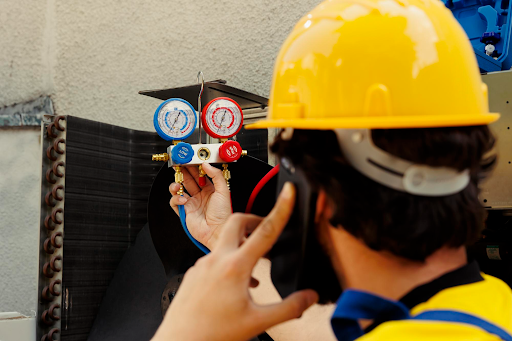
When a compressor runs longer than its rated duty cycle, internal components—motor windings, valves, pistons, and oil—absorb more heat than they can dissipate. This cumulative heat pushes temperatures to unsafe levels, causing shutdowns, frequent tripping, reduced efficiency, or premature failure.

Air-Cooled vs Water-Cooled Compressors Under Heat Load

Air-cooled compressors rely on ambient air to remove heat. Their performance drops sharply in hot, poorly ventilated rooms. Water-cooled units, on the other hand, rely on a cooling water circuit, making them more stable under heavy and continuous loads. However, they require proper water quality and flow to maintain performance.

Ambient Temperature and De-Rating Curves

Every compressor has a de-rating curve—a chart that shows how performance reduces as ambient temperature rises. A compressor rated for 45°C may lose significant efficiency at 50°C. Ignoring this results in overheating, higher discharge temperatures, and lower air output.

Restricted Ventilation: The Silent Heat Multiplier

Even the best compressors overheat in cramped rooms, corners, or enclosures with inadequate airflow. Hot air recirculates, raising inlet temperatures and amplifiering thermal load. Poor ducting, blocked louvers, or misaligned cooling fans worsen the problem.

Signs of Compressor Thermal Stress

Be alert for:

  • High discharge temperature
  • Frequent thermal tripping
  • Oil thinning or discoloration
  • Drop in air output
  • Burning smell or unusual vibrations

These are direct indicators that the compressor is operating beyond safe limits.

Sizing a Compressor for Indian Summers (40–50°C)

Work with experienced compressor dealers to select a model sized with proper de-rating at peak seasonal temperatures. This may mean choosing a higher kW model or a 100% duty-cycle design, especially for continuous or process-critical operations.

Best Practices for Ventilation and Heat Extraction

  • Ensure forced ventilation or exhaust fans.
  • Separate hot and cold air paths.
  • Avoid placing compressors against walls.
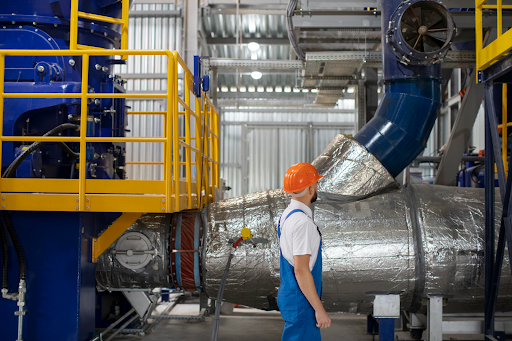
  • Use insulated ducting for air-cooled units.
  • Maintain clean coolers and filters.

When to Consider Backup or Alternate Compressors

If your demand frequently pushes a unit to full load, consider load-sharing through multiple compressors. This reduces thermal stress and builds redundancy during peak production.

Whether you’re planning an upgrade or troubleshooting overheating issues, consulting a trusted air compressor dealer like VEMC can help you size, design, and install the most reliable setup for long-term performance. Get in touch today, contact us: +91 8976951701, +91 9819907445, 022 43117133, or email us at marketing@vemc.co.in.

Why Every Workshop with Limited Floor Area Should Consider a Vertical Air Compressor

Vertical Air Compressor

In today’s industrial and workshop environments, efficient space utilisation is essential. Whether it’s a small garage, fabrication unit, or automotive service centre, every square foot matters. This is where getting a vertical air compressor from trusted compressor dealers offer a significant advantage. With their compact design and powerful performance, these vertical air compressors are ideal for workshops struggling with limited floor area.

Space Constraints in Small Workshops and Garages

Machinery, tools, and workbenches often occupy most of the available space in small-scale workshops. Traditional air compressors require a larger area, making it difficult to manage floor layouts efficiently. On the other hand, vertical air compressors are designed to fit into tight spaces while performing at maximum capacity.

Design Advantage: Minimal Footprint, Maximum Output

The key benefit of a vertical compressor lies in its upright tank-mounted design. By storing compressed air in a vertically oriented tank, these compressors occupy significantly less area while maintaining the same capacity as horizontal models. For workshops located in metropolitan cities like Mumbai, choosing compact machinery from trusted air compressor dealers in Mumbai can make a significant difference.

Same Power, Smaller Space

One common misconception about vertical compressors is that they are less powerful than horizontal ones. However, vertical compressors offer identical air output and performance in industrial setups. 

Better Shop Layout, Accessibility, and Safety

A vertical compressor allows for better workshop planning and accessibility. Since it occupies less floor space, it reduces clutter and enhances movement within the workspace. This design also promotes better safety as the compressor remains stable and protected against accidental impact or tripping hazards.

Ease of Installation and Maintenance

Another advantage of vertical compressors is their ease of installation and maintenance. Most models are designed with user convenience in mind featuring accessible service points, minimal piping requirements, and easy setup procedures. Routine maintenance tasks, such as oil checks, filter replacements, and tank drainages can also be carried out quickly.

ELGi Vertical Compressor Models: Ideal for Compact Setups

ELGi, one of the leading air compressor brands, offers a range of vertical tank-mounted compressors specifically engineered for compact spaces. These units combine energy efficiency, reliability, and robust design.

Real-World Applications

Vertical air compressors are widely used in:

  • Automotive garages and body shops for spray painting, tyre inflation, and pneumatic tools.
  • Fabrication units for powering grinders, welders, and drills.
  • Small manufacturing setups for assembly and packaging processes.

A vertical air compressor isn’t merely a space-saving alternative. It’s a great investment for workshops aiming to improve efficiency, safety, and workflow in their limited floor space. With reliable options offfered by trusted air compressor dealers like VEMC, businesses can ensure optimal performance even in confined workspaces. As an authorised ELGi air compressor dealer, VEMC offers end-to-end support for consultation, installation, after-sales service, and maintenance. Contact us on +91 8976951701+91 9819907445022 43117133 or email us at marketing@vemc.co.in to learn more about our comprehensive range of air compressor solutions.

How to balance initial cost with lifetime value when choosing air compressor parts

choosing air compressor parts

When you buy air compressor parts, it is evident to focus on the initial costs. While cheaper parts may seem like a good deal, it’s important to consider how much they’ll cost you over time.

That’s why paying a little more upfront can undoubtedly help you save a lot in the long run. Here is the breakdown to help you make a smart decision when selecting air compressor parts.

Upfront Cost vs. Total Cost of Ownership

The upfront cost is the price that you pay when buying the parts. But that’s not the only cost you’ll face. Thus, the total cost of ownership, or TCO, overlooks the entire lifespan of the air compressor system. It includes energy costs, maintenance, and repair.

Thus, cheaper parts tend to break down more often and need more repairs sooner, all of which can add up. By choosing parts from a trusted air compressor dealer, you can save money over time.

How Quality Affects Energy Efficiency

Good quality products are a bit costly but make your air compressor more energy efficient. It means it will use less power to run. Meanwhile, low-quality products can cause the system to use more energy, eventually increasing your electricity bills.

Choosing premium parts from a trustworthy compressor dealer will therefore improve system performance and ultimately save you money.

Longevity and Reliability of Parts

High-quality parts last longer. Buying reliable parts will save you from the hassle of frequent repairs and replacements from time to time. When you choose durable components from trusted compressor dealers, you are making an investment in the long-term health of your system. 

Good parts last longer and work better, so you’ll save money on replacements and avoid interruptions to your work.

Warranty, Service Support, and OEM Recommendations

Before you proceed to buy any parts, be sure to check if they come with a good warranty. A warranty means you’re covered if something goes wrong. Furthermore, consider the service support offered by your air compressor dealer. High-quality service can help you keep your compressor running smoothly. Always follow the OEM (Original Equipment Manufacturer) recommendations for parts to ensure everything works well together and lasts as long as possible.

Conclusion

In conclusion, whenever choosing air compressor parts, always think about the total cost of ownership instead of just the initial cost. High-quality parts can save you money on energy, reduce maintenance, and last longer. At VEMC, we offer top-quality parts that are reliable and efficient, so you get the best value for your investment.

For expert support, reach out to us at +91 8976951701 | +91 98199 07445 | 022 43436655 | 022 43117133 or email us at marketing@vemc.co.in 

Visit our website and explore our products- VEMC Compressors

Why Chemical Plants Require Oil-Free Air Compressors: Standards, Safety And Cost Benefits

Chemical Plants Require Oil-Free Air Compressors

The chemical manufacturing industry relies heavily on compressed air for processes such as conveying, agitation, mixing, packaging, and instrumentation. In such a critical environment, even the slightest oil contamination can compromise product quality, safety, and compliance. That’s why many facilities are now shifting to oil-free air compressors, eliminating the risk at the source rather than relying solely on filtration components like an oil separator for compressor.

Below, we explore why oil-free compressors are essential for chemical plants, the relevant industry standards, and the long-term benefits they offer.

The Role of Compressed Air in Chemical Manufacturing

Compressed air powers various operations in chemical plants, from pneumatic controls and instrumentation to material conveying and packaging. In such high-stakes environments, the purity of compressed air directly impacts product safety, process efficiency, and regulatory compliance.

Risks of Oil Contamination in Chemical Processes

Oil contamination in compressed air can:

  • Alter chemical composition, causing defective batches.
  • Damage sensitive equipment, increasing downtime.
  • Lead to costly rework or product disposal.
  • Causes safety hazards if oil interacts with reactive substances.

In regulated sectors like pharma or food-grade chemicals, even a tiny oil trace can result in failed audits and loss of certifications.

ISO 8573-1 Class 0 Standards Explained

ISO 8573-1 defines the purity levels for compressed air. Class 0 is the strictest standard, allowing zero detectable oil content, both in aerosol and vapour form. Achieving this requires advanced oil-free technology that ensures absolutely clean air without relying solely on downstream filtration.

Safety Needs in Hazardous & Explosive Environments

Chemical plants often operate in hazardous areas with flammable gases and volatile compounds. Oil-free compressors eliminate the risk of oil vapor ignition, improving workplace safety and meeting stringent ATEX and other safety regulations.

Benefits of Oil-Free Compressors

  1. Contamination-Free Air: No oil in the compression process means no risk of product contamination.
  2. Lower Maintenance: Without oil carry-over, filters last longer, and piping stays cleaner, reducing service needs.
  3. Reduced Downtime: Fewer maintenance interventions mean more uptime and productivity.
  4. Regulatory Compliance: Easier adherence to ISO, GMP, and environmental safety standards.

ELGi Oil-Free Models for Chemical Plants

As one of the leading ELGi air compressor dealersVEMC offers a range of oil-free compressors designed for critical industries. ELGi’s Class 0 certified models combine energy efficiency with robust build quality, ensuring dependable performance in demanding environments. For applications requiring maximum air purity, we also provide oil separators for compressors to enhance system reliability.

Why Choose VEMC as Your Compressor Partner

As trusted compressor dealers, we not only supply high-quality ELGi equipment but also handle installation, commissioning, preventive maintenance, and breakdown support, ensuring your system runs flawlessly from day one.

Get in Touch with our Team

Have questions or looking for consultation? Our team is here to help you with ELGi air compressors. Contact us today at +91 8976951701+91 98199 07445 or 022 43117133. Alternatively, email marketing@vemc.co.in.