

VEMC-Blogs

UL/FM Approval Explained: Certification Requirements for Fire Pumps & Fire Protection Systems

UL-FM Approval Explained

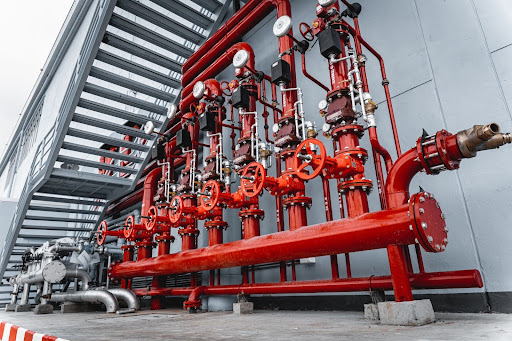
In fire safety and industrial equipment selection, you may often see specifications like “UL/FM approved” or “UL/FM listed” especially for pumps, valves, controllers, and other fire protection products. But what exactly does this mean, why does it matter, and how does it impact compliance, safety, and performance of your fire protection systems?

1. What Does UL/FM Approval Mean?

UL stands for Underwriters Laboratories, a globally recognized third party safety certification organization. When a product is UL Listed, it has been tested and evaluated against stringent safety and performance standards for that application. 

FM refers to FM Approvals, part of FM Global (Factory Mutual) a major industrial insurer and technical testing body. FM certification focuses on loss prevention and operational reliability under real world conditions, beyond just safety. 

When a product carries both UL and FM approvals (commonly noted as UL/FM approved or UL Listed/FM Approved), it means the product has passed coordinated testing protocols from both institutions, combining safety integrity with proven performance reliability. 

2. What UL/FM Approval Applies to

The most common use of UL/FM approvals in industrial contexts is for fire protection equipment, including but not limited to:

  • Fire pumps (electric, diesel or jockey)
  • Fire pump controllers
  • Valves, hydrants, hose systems
  • Fire suppression system components
  • Structural elements tested to NFPA standards

These products undergo rigorous testing procedures defined by UL standards (like UL 448 for fire pumps) and FM test protocols (e.g., FM 1319). 

3. Why UL/FM Approval Matters

Assurance of Safety & Performance

UL certification confirms that a product meets internationally recognized performance and safety criteria. FM approval adds another layer of assurance by evaluating performance under simulated real world emergency conditions including rough use and stress scenarios. 

Compliance with Codes & Standards

Many fire protection codes, including the National Fire Protection Association (NFPA) standards, require equipment to be UL Listed or FM Approved or preferably both for design compliance in high risk installations. 

Preferred by Authorities & Insurers

Regulatory bodies, insurance companies, and project engineers often insist on UL/FM certified equipment for commercial buildings, high rise structures, oil & gas facilities, manufacturing plants, warehouses, airports, and hospitals. 

Lower Risk and Operational Reliability

FM approved equipment is tested for durability and loss prevention, which can contribute to better uptime, fewer failures in emergencies, and in some cases lower insurance premiums due to reduced risk. 

4. Difference Between UL and FM Approvals

AspectUL (Underwriters Laboratories)FM (Factory Mutual)
Primary FocusSafety and standardized performanceReal-world reliability and loss prevention
TestingControlled lab-based performance testingSimulation of operational conditions and failures
Insurance ImpactOptional but desiredHighly preferred by insurers
Industry UsageWidely accepted globallyStrong acceptance in commercial/industrial fire systems

When equipment carries both certifications, it offers dual assurance a stronger indication of quality and reliability than either certification alone. 

5. Common Questions About UL/FM Approval

  • Is UL/FM approval mandatory?

It depends on local fire safety codes, insurance requirements, and project specifications. In many critical and commercial applications, it is required or strongly recommended. 

  • Does UL/FM certification cover all fire-safety components?

No. UL/FM certification is product specific. Each product must be certified individually for the application it’s used in. 

  • What standards do UL/FM use for fire pumps?

For fire pumps, UL uses standards like UL 448, and FM has standards like FM 1319 and related performance requirements referenced with NFPA 20. 

6. UL/FM Approval in Fire Pump Systems – Essential Takeaways

  • Fire pumps that are UL/FM approved are tested for both safety (UL) and loss-prevention operational reliability (FM). 
  • These certifications make pumps suitable for commercial, industrial, and high risk installations
  • Products that are not UL/FM certified may meet basic standards but lack the confidence and acceptance required by many codes and insurers. 

Conclusion

UL/FM approval is more than just a label it’s a symbol of internationally recognized safety, performance, and reliability for fire protection equipment. Whether you are specifying fire pumps, controllers, valves, or hydrant systems, choosing UL/FM-certified components ensures compliance with global standards, meets code and insurance expectations, and significantly improves fire safety outcomes.
Understanding Air Compressor Discharge Pressure: Meaning, Impact & Ideal Settings

Air Compressor Discharge Pressure

If you own or operate an air compressor, understanding its operating parameters is critical for performance and efficiency. One of the most important yet often misunderstood parameters is discharge pressure.

As one of the leading air compressor dealers in Mumbai, VEMC explains everything you need to know about discharge pressure, from its definition and influencing factors to its impact on energy consumption and system productivity.

What is Air Compressor Discharge Pressure?

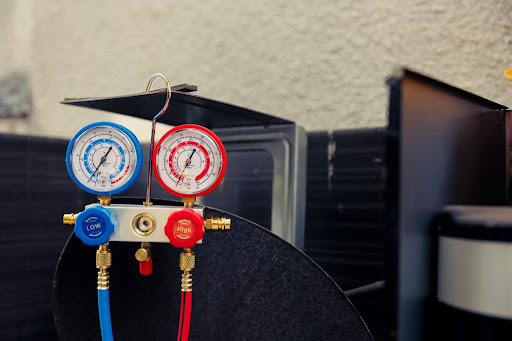
Discharge pressure refers to the air pressure measured at the outlet (discharge flange) of the compressor, the point where compressed air exits the machine and enters the distribution system.

It is typically expressed in:

  • PSI (Pounds per Square Inch)
  • Bar
  • kPa

Maintaining the correct discharge pressure is essential because it directly affects:

  • Air delivery performance
  • Energy consumption
  • Equipment reliability
  • Operating temperature
  • System lifespan

Operating at pressure levels higher than required does not improve productivity proportionately but it certainly increases operating cost.

Why is Discharge Pressure Important?

  • Energy Efficiency

Compressed air is one of the most expensive utilities in an industrial setup. A widely accepted rule of thumb states:

For every 2 PSI increase in discharge pressure, energy consumption increases by approximately 1%.

Even small pressure adjustments can significantly impact electricity bills over time.

  • Thermal Stress & Equipment Wear

Higher discharge pressure results in:

  • Increased compression temperature
  • Valve metal fatigue
  • Thermal stress on lubricants
  • Seal and gasket deterioration

    This can lead to:
  • Reduced service life
  • Frequent breakdowns
  • Increased maintenance costs
  • System Leakage Risk

Higher pressure increases leakage rates in pipelines and fittings. Since leak flow is proportional to pressure, over-pressurizing the system leads to:

  • Wasted compressed air
  • Lower effective air delivery
  • Reduced system efficiency

Key Factors Affecting Discharge Pressure

Discharge pressure is not constant; it varies depending on operating and environmental conditions. Major influencing factors include:

Cooling Efficiency

  • Size and speed of condenser/cooling fan
  • Condition of cooler/heat exchanger
  • Oil cooling effectiveness (in oil-injected screw compressors)

Poor cooling increases discharge temperature and pressure fluctuations.

Suction Conditions

  • Suction temperature
  • Suction pressure
  • Ambient temperature

Higher inlet temperature reduces air density and affects compression performance.

Mechanical Parameters

  • Rotational speed (RPM) in screw compressors
  • Condition of rotors and valves
  • Discharge line size and restrictions

Electrical Supply

  • Voltage stability
  • Frequency variations

Voltage fluctuations can alter motor speed, indirectly affecting discharge pressure.

Relationship Between Discharge Pressure & Air Flow

The behavior of compressed air can be explained using Boyle’s Law:

This indicates that pressure and volume are inversely proportional (at constant temperature). As discharge pressure increases, volumetric flow reduces unless additional energy input compensates for it.

In simple terms:

  • Higher pressure = Higher power consumption
  • Higher pressure ≠ Proportionate productivity gain

Optimal Discharge Pressure Settings for Different Applications

There is no universal setting. The ideal discharge pressure depends entirely on the application.

ApplicationTypical Pressure Range
General Industrial Use100 – 200 PSI
Domestic/Workshop Use90 – 150 PSI
Pneumatic Tools (Nail Guns)90 – 100 PSI
Sandblasting120 – 150 PSI
Spray Painting120 – 150 PSI

Best Practice:

Set the compressor discharge pressure only slightly above the highest required point-of-use pressure typically 5–10 PSI higher to compensate for line losses.

What Happens If Discharge Pressure is Too High?

  • Increased energy bills
  • Frequent air leaks
  • Excessive heat generation
  • Shortened compressor life
  • Higher maintenance frequency

What Happens If Discharge Pressure is Too Low?

  • Inadequate tool performance
  • Production slowdowns
  • Inconsistent process quality
  • Air starvation in pneumatic systems

How to Maintain Optimal Discharge Pressure

  • Conduct regular leak audits
  • Maintain coolers and filters
  • Monitor voltage stability
  • Use pressure regulators at point-of-use
  • Install VFD-based compressors for variable demand
  • Perform periodic system performance audits

Final Thoughts

Discharge pressure may seem like a simple parameter, but it has a profound impact on:

  • Energy efficiency
  • Equipment life
  • Maintenance costs
  • Production stability

Operating your air compressor at the correct discharge pressure ensures maximum productivity without unnecessary power consumption.

If you need guidance on selecting, optimizing, or servicing air compressors, our technical team at VEMC is here to help.

Call us at: +91 9987099448
Email: marketing@vemc.co.in

VEMC — Your trusted air compressor partner in Mumbai.