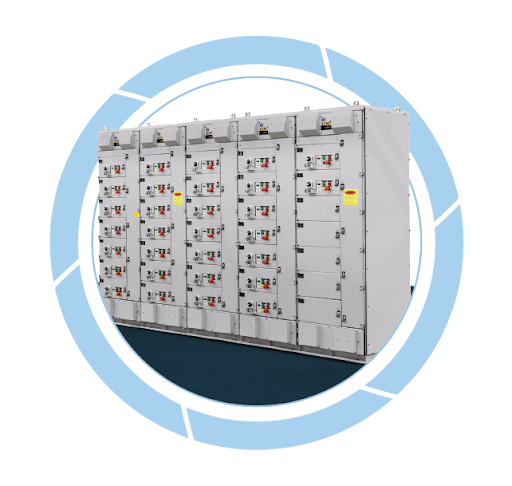

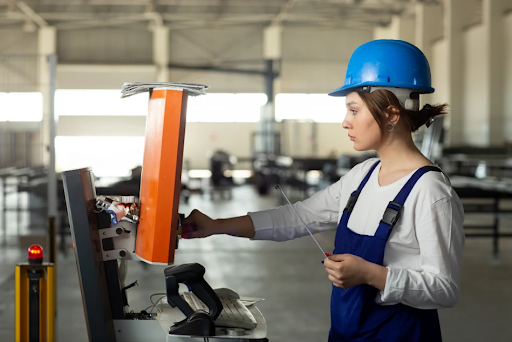
In modern industries, conveyor and material handling systems form the backbone of operations. From manufacturing plants and warehouses to logistics hubs and airports, conveyors ensure smooth movement of materials, products, and packages.
However, as operational demands increase, energy efficiency, system reliability, and process control become critical. This is where Variable Frequency Drives (VFDs) play a transformative role.
VFDs are no longer optional add-ons—they are essential components for efficient, safe, and cost-effective conveyor and material handling systems.
Understanding VFDs in Conveyor Applications
A Variable Frequency Drive controls the speed and torque of an electric motor by adjusting the frequency and voltage of the power supplied.
In conveyor systems, this means:
- Speed can be precisely controlled
- Starting and stopping can be smooth
- Energy usage can be optimized
- Mechanical stress can be significantly reduced
Unlike traditional direct-on-line (DOL) starters, VFDs allow conveyors to operate exactly as required, rather than at full speed all the time.
1. Energy Efficiency & Reduced Power Consumption
Conveyor systems often operate continuously or for long hours. Running motors at full speed when full capacity is not required leads to unnecessary energy consumption.
How VFDs Help:
- Adjust conveyor speed based on load conditions
- Reduce motor speed during partial load or idle periods
- Minimize peak power demand during startup
Result:
Energy savings of 20–50%, depending on application and operating profile.
This directly lowers electricity bills and helps industries meet energy efficiency and sustainability goals.
2. Smooth Start & Stop – Protecting Mechanical Components
Traditional motor starting methods cause:
- High inrush current
- Sudden jerks during startup
- Mechanical stress on belts, chains, gearboxes, and rollers
VFD Advantage:
- Soft start and soft stop functionality
- Gradual acceleration and deceleration
- Controlled torque delivery
Benefits:
- Extended life of conveyor belts and mechanical parts
- Reduced breakdowns and maintenance costs
- Less product spillage and damage
For heavy-duty material handling, this is a critical advantage.
3. Precise Speed Control for Process Optimization
Different materials and processes require different conveyor speeds:
- Packaging lines
- Assembly operations
- Sorting and inspection systems
- Palletizing and depalletizing
With VFDs:
- Speed can be adjusted in real-time
- Multiple conveyors can be synchronized
- Production flow can be optimized
This improves throughput, accuracy, and product quality, especially in automated facilities.
4. Improved Safety in Material Handling Systems
Safety is a major concern in conveyor operations, particularly in large plants and warehouses.
VFD Safety Benefits:
- Controlled stopping reduces sudden halts
- Emergency stop ramps down safely instead of abrupt locking
- Speed limits can be set for different zones
- Reverse operation possible for clearing jams
By minimizing sudden movements, VFDs help reduce accidents and operator injuries.
5. Reduced Maintenance & Downtime
Frequent starts, stops, and mechanical shocks are major causes of motor and conveyor failures.
VFD Impact:
- Lower thermal stress on motors
- Reduced wear on bearings and couplings
- Fewer belt slippages and misalignments
This leads to:
- Longer equipment life
- Predictable maintenance schedules
- Reduced unplanned downtime
In high-volume material handling systems, downtime directly translates into revenue loss—VFDs help prevent that.
6. Load-Based Control & Automation Integration
Modern material handling systems often operate under varying load conditions.
VFD Capabilities:
- Automatic speed adjustment based on load
- Integration with PLCs, sensors, and SCADA systems
- Intelligent control for accumulation conveyors
This ensures conveyors operate only when required, improving overall system efficiency.
7. Better Control in Inclined & Declined Conveyors
Inclined or declined conveyors face challenges such as:
- Rollback
- Over-speeding
- Load instability
VFD Solution:
- Torque control prevents rollback
- Regenerative braking manages downhill loads
- Stable speed regardless of load variation
This is especially important in bulk material handling, baggage handling, and mining conveyors.
8. Compliance with Energy & Industry Standards
Many industries now follow:
- Energy efficiency regulations
- ESG and sustainability benchmarks
- Smart factory initiatives
VFDs help organizations:
- Reduce carbon footprint
- Comply with energy audits
- Achieve long-term operational efficiency
They are a key component of Industry 4.0-ready systems.
Applications Where VFDs Are Indispensable
VFDs are widely used in:
- Manufacturing conveyors
- Warehouse and logistics systems
- Airport baggage handling
- Food & beverage processing lines
- Automotive assembly plants
- Mining and bulk material handling
In each case, VFDs ensure precision, reliability, and efficiency.
Conclusion: VFDs Are No Longer Optional
In conveyor and material handling systems, Variable Frequency Drives deliver:
- Significant energy savings
- Enhanced equipment life
- Improved safety and control
- Lower maintenance costs
- Higher operational efficiency
As industries move towards automation, sustainability, and smart manufacturing, VFDs have become essential—not optional.
Investing in the right VFD solution ensures your conveyor system is future-ready, cost-efficient, and performance-optimized.