

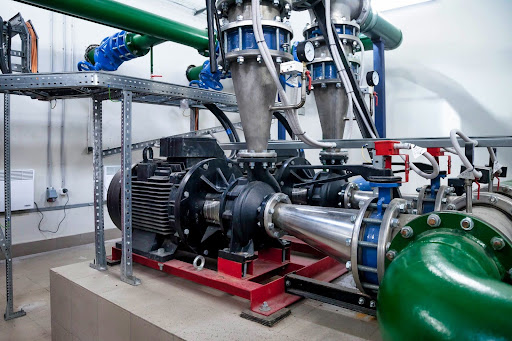
In any centrifugal pump, the impeller is the heart of the system. Its role is simple yet critical: converting mechanical energy from the motor into hydraulic energy that drives fluid flow. When the impeller is compromised, pump performance, efficiency and reliability suffer—often long before a complete failure occurs. Understanding the signs of impeller damage and knowing when replacement is necessary can save significant downtime and cost, especially for operators relying on end suction pump spares.
Why the impeller matters
The impeller directly influences flow rate, head and overall efficiency. Even minor wear can reduce hydraulic efficiency, forcing the pump to work harder to achieve the same output. Over time, this increases energy consumption and accelerates wear on other components such as bearings and seals.
Common causes of impeller damage
Impeller damage rarely occurs without reason. Cavitation is one of the most frequent culprits, caused by low suction pressure and resulting in micro-bubble collapse that pits the impeller surface. Abrasion occurs when solids or grit in the fluid erode the impeller. Corrosion is driven by aggressive or chemically incompatible fluids, while dry running—operating the pump without adequate liquid—can rapidly overheat and deform the impeller.
Early operational warning signs
Subtle changes often provide the first clues. Increased vibration, unusual noise, fluctuating discharge pressure or difficulty maintaining flow are common early indicators. Operators may also notice longer priming times or inconsistent performance during normal operation.
Performance deviations to watch
As impeller damage progresses, measurable performance deviations appear. Flow rates may drop, the pump may fail to achieve design head, and power consumption often increases as efficiency declines. These symptoms are frequently misattributed to motor or system issues, when the root cause lies in the impeller.
Types of impeller damage
Typical damage includes erosion and pitting from cavitation or abrasion, cracks from mechanical or thermal stress, and deformation due to overheating or prolonged dry running. Each type affects hydraulic performance differently but ultimately leads to reduced reliability.
Inspection and condition monitoring
Regular visual inspections during maintenance shutdowns remain essential. In addition, vibration analysis, power monitoring and performance trending can help identify impeller deterioration before failure occurs.
Repair or replace?
Minor surface wear may be repairable through rebalancing or refurbishment. However, significant material loss, cracks or deformation usually justify replacement. When tolerances and hydraulic profiles are compromised, repair often delivers diminishing returns.
Risks of delaying replacement
Postponing impeller replacement increases the risk of catastrophic failure, secondary component damage and unplanned downtime—costs that far outweigh timely intervention.
Why OEM-approved impellers matter
Using OEM-approved impellers and genuine end suction pump spares, like VEMC ensures correct hydraulic geometry, material compatibility and long-term reliability. In critical applications, this is the most effective way to restore performance and protect your pumping system.
For expert support, reach out to us at +91 8976951701 | +91 98199 07445 | 022 43436655 | 022 43117133 or email us at marketing@vemc.co.in